
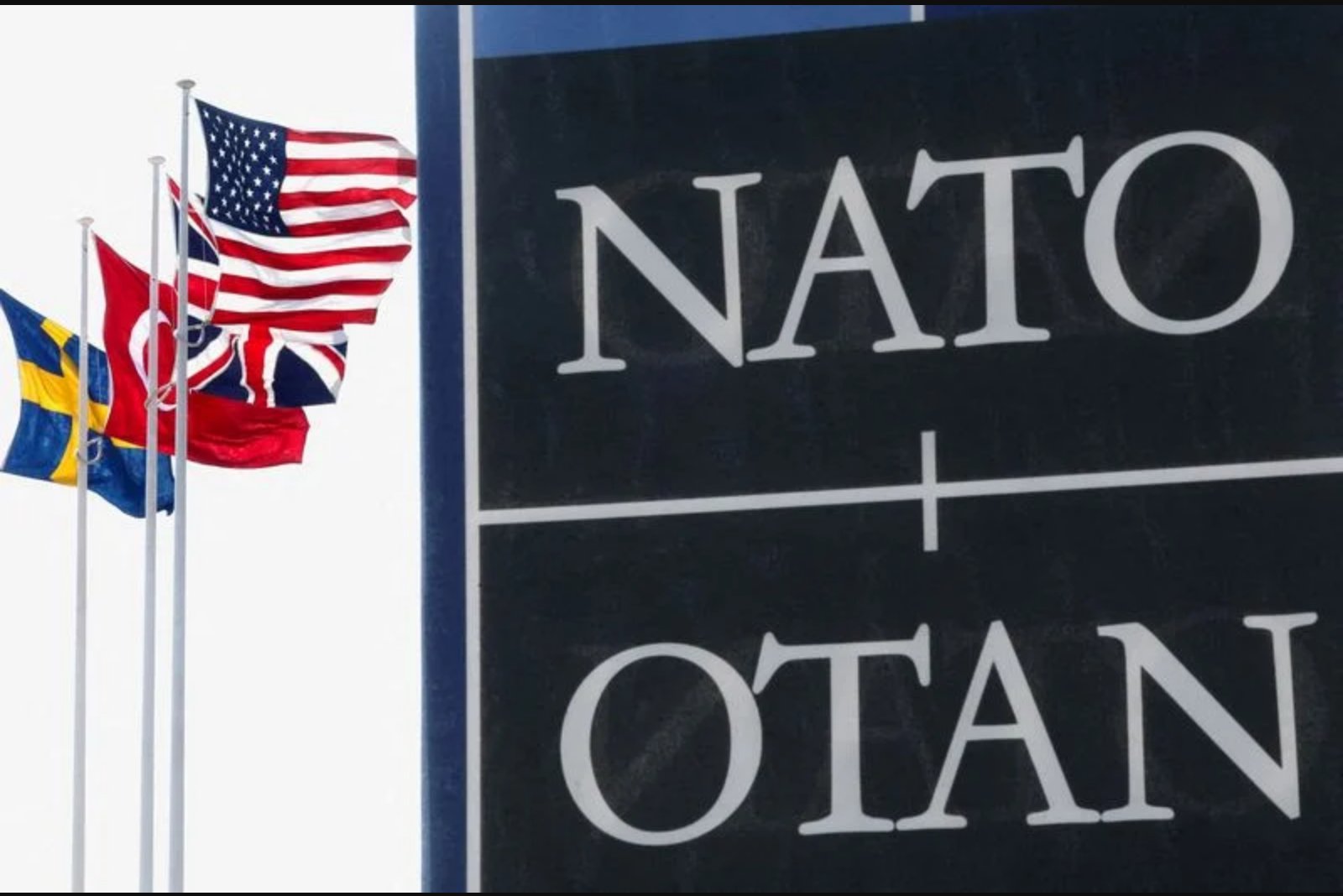
Senior NATO officials and diplomats are grappling with uncertainty over whether Albania will host the alliance’s next summit after Ankara, after a draft declaration circulated ahead of next week’s NATO meeting in Turkey omitted a specific reference to Albania as the venue for the following summit. Sources directly familiar with the matter say the omission reflects both resistance from the U.S. administration and dissatisfaction within the alliance about Albania’s current defence outlays.
The draft declaration under negotiation currently states only that leaders look forward to their next meeting, without specifying a time or place. That wording departs from practice at recent summits, where public statements typically identified the location of the subsequent gathering. At last year’s Hague summit, leaders had explicitly said they looked forward to meeting in Turkey in 2026 followed by a meeting in Albania.
European NATO members are managing a delicate political calculation ahead of Ankara. Officials say they want to present U.S. President Donald Trump with tangible progress on defence spending commitments to avert a public clash at the summit. The omission of Albania from the draft text is intended to reduce the risk of an awkward confrontation between allies and the White House, according to officials speaking about internal deliberations.
Those familiar with the discussions also point to a separate debate inside NATO over whether to continue holding summits annually. That review, which has been under consideration for some time, would reduce the likelihood of a potentially tense encounter with President Trump later in his term by spacing high-level meetings further apart.
One participant in the discussions said directly that Albania’s defence outlays are low enough that hosting a summit there in 2027 could provoke an adverse reaction from the U.S. president, producing negative headlines. The remark underlines how domestic political calculation in Washington is shaping NATO’s summit planning.
An Albanian government spokesperson cautioned that drafts are not final decisions, emphasizing that the text remains under negotiation and subject to change. The White House declined to comment on the omission, and NATO officials said they had no immediate comment.
Spotlight on defence spending
At the Hague summit last year, NATO leaders committed to a stepped-up spending trajectory, pledging that allies would reach combined defence and defence-related expenditure equivalent to 5% of GDP within a decade. That pledge was broken down into a target of 3.5% of GDP for core defence spending - directly supporting troops and armaments - and 1.5% for broader defence-related measures including areas such as cybersecurity.
Nevertheless, implementation has so far been uneven. While many members have increased defence budgets in recent months, a number of countries have struggled to hit NATO’s earlier 2% of GDP benchmark for defence. NATO Secretary General Mark Rutte underscored that most allies are at or above 2% when looking at the overall group, but he noted that last year Albania, Czechia and Slovenia did not meet the threshold, and that these three countries have committed to reach more than 2% this year. He added that, numerically, those three countries represent a small portion of the alliance overall.
Albania’s proposed fiscal measures
The Albanian government has told allies that it is finalizing fiscal measures intended to align its 2026 defence and defence-related spending with the trajectory agreed at the Hague summit. In a statement provided to officials, Tirana said that once those measures are approved in the coming days, Albania’s 2026 defence and defence-related expenditure will amount to 2.6% of GDP under NATO’s defence expenditure methodology.
That projected 2.6% figure was specified by Tirana as comprising 2.2% of GDP in core defence expenditure and 0.4% of GDP in other defence and security-related expenditure. The government framed these steps as responsive to alliance commitments and as part of a broader effort to meet NATO targets.
Despite this, a European diplomat involved in the discussions said Albania could still end up hosting the next summit, noting that the country is ramping up spending and that the final decision remains uncertain. "I still believe the next summit will be in Albania," the diplomat added, reflecting the view among some allies that the matter is not yet settled.
What remains unresolved
- Whether the Ankara summit’s final declaration will reinstate a firm commitment to hold the subsequent NATO summit in Albania.
- How Washington’s position within the Trump administration will shape NATO’s summit calendar and public statements on alliance cohesion.
- Whether NATO will modify its recent practice of annual summits, which would affect planning and political dynamics across the alliance.
As leaders prepare to meet in Ankara, negotiators in the background are balancing diplomatic optics, alliance unity, and the technical assessment of defence spending under NATO’s methodology. The outcome will determine not only where the next summit is held, but also how publicly NATO presents progress on the contentious issue of burden-sharing among its members.