
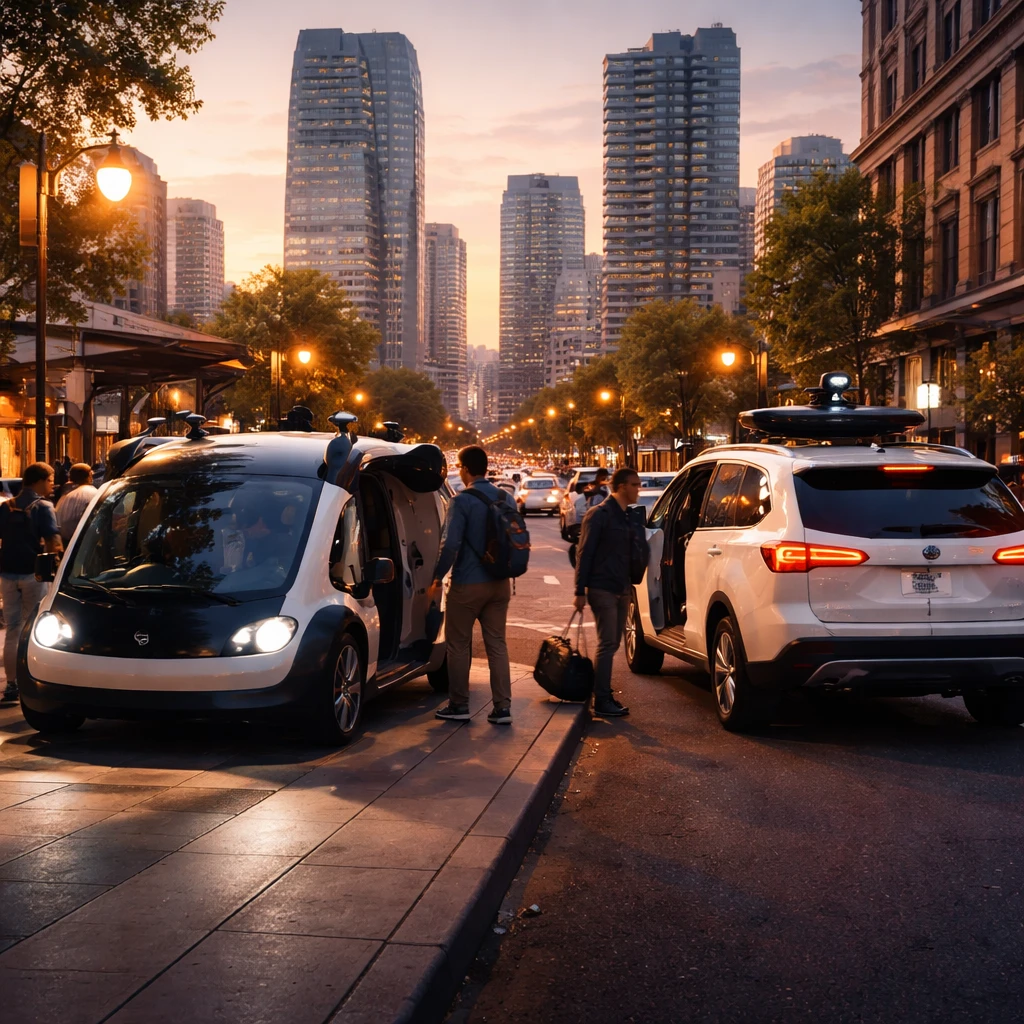
Two leading developers of autonomous ride-hailing technology disclosed expansions in the United States as they scale operations beyond their initial test zones. Zoox, owned by Amazon, said it will add Houston and San Diego to its testing map, increasing its presence to 12 U.S. locations. The company plans to use retrofitted test vehicles at first for manual mapping and evaluation before putting its purpose-built driverless robotaxis into commercial service.
Waymo, an Alphabet unit, announced it will begin accepting its first public riders in Denver, San Diego and Tampa. That move brings Waymo's fully autonomous ride service to 14 cities in the United States. The company stated it will expand rider access in those three metropolitan areas in a phased manner.
Zoox has previously offered free passenger rides in cities including Las Vegas, San Francisco, Austin and Miami as part of its testing program. The company transitioned to paid services in Las Vegas beginning in August. That commercial step has added urgency to competition among companies developing autonomous ride-hailing, with Waymo and Tesla named as rivals in the race to scale driverless services across the U.S.
Waymo already operates paid driverless services in several U.S. markets and is also extending testing beyond the United States. The company said last month it would start testing in Munich as part of preparations for a planned commercial launch in Germany toward the end of 2027.
The two announcements reflect parallel strategies: Zoox advancing its technical readiness by mapping and trialing in new cities ahead of deploying custom-designed robotaxis, and Waymo broadening public access to its existing fully autonomous fleet. Both companies are taking measured steps - Zoox with retrofitted vehicles for mapping and manual tests, and Waymo with a staged expansion of rider availability.
As the deployments progress, the competitive landscape for autonomous ride-hailing in the United States continues to evolve, with additional city deployments and commercial launches likely to shape service availability and market dynamics over time.