
Economy November 11, 2026 07:53 AM

Iran Rules Out Nuclear Material Transfer as Ceasefire Hopes Fade

Security official Mohsen Rezaei says Tehran will not ship enriched uranium abroad, dimming prospects for a U.S. ceasefire deal and nudging oil prices higher.

By Avery Klein
Share
Twitter Reddit Facebook LinkedIn

Iran's top security official, Mohsen Rezaei, has stated that Tehran will not permit enriched uranium to leave the country, rejecting a U.S. ceasefire proposal that would require transferring its stockpile to a third country. The decision, which Iran has communicated to Russia, comes as oil prices tick higher after touching two-month lows. Markets had been betting that the U.S. would seek to wind down the nine-month conflict following midterm elections in which Democrats made gains, partly due to voter frustration over rising gasoline prices and elevated inflation. Meanwhile, attacks on vessels in the Strait of Hormuz continue, and fighting between Saudi Arabia and Houthi rebels persists, keeping geopolitical risks elevated.

Iran Rules Out Nuclear Material Transfer as Ceasefire Hopes Fade
Summarize with
ChatGPT Perplexity Claude Grok Gemini

Key Points

  • Iran's refusal to transfer enriched uranium dims hopes for a U.S. ceasefire deal, supporting oil prices and adding to inflationary pressures.
  • The U.S. midterm elections have raised expectations that Democrats might push for a quicker end to the conflict, but Trump's mixed signals leave the outlook uncertain.
  • Continued attacks on tankers in the Strait of Hormuz and fighting between Saudi Arabia and Houthi rebels keep supply risks elevated for energy markets.

Iran will not allow its enriched uranium to be transferred out of the country, according to Mohsen Rezaei, a top Iranian security official, potentially complicating efforts to de-escalate tensions with the United States.

Rezaei, in an interview with a Lebanese television outlet cited by Al Jazeera, emphasized that Tehran would continue to reject an American ceasefire proposal that would involve Iran sending its stockpile of enriched uranium to a third country. Iran has informed Russia of this decision, Rezaei noted. Russia had previously offered to take in and store the enriched uranium.

Oil prices moved higher on Wednesday following Rezaei's remarks, after crude had touched two-month lows in the previous session. Markets have been speculating that the U.S. will move to ratchet down the war with Iran in the wake of last week's midterm elections. Democrats routed President Donald Trump's Republicans in several statewide races, with voters often citing frustration that the Iran conflict has contributed to a sharp rise in gasoline prices and elevated inflation overall.

Investors have been assessing whether the Democrats will use their influence to push Trump to quickly end the war, which is now in its ninth month. Trump himself has offered more conciliatory language regarding Iran, signaling earlier this week that he would like to find an end to the war. Still, Trump has warned that the U.S. is "locked and loaded," while describing Iran's military as "effectively over."

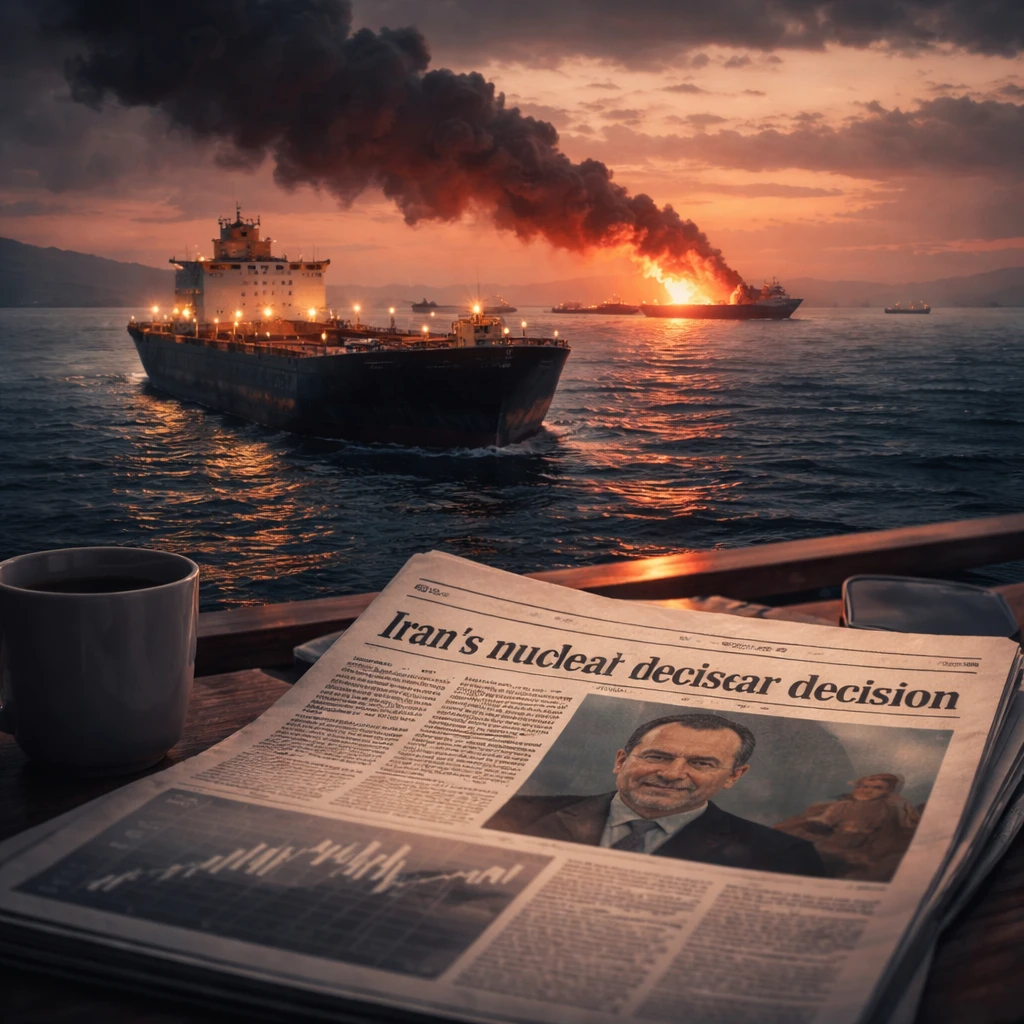
Meanwhile, attacks have continued to target vessels in the Strait of Hormuz. On Wednesday, the United Kingdom Maritime Trade Operations Centre, which monitors global shipping traffic, said it had received a report of an incident involving a tanker in Hormuz. The status of the crew, damage assessment, and environmental impact were unknown, the UKMTO said.

Previously, the group reported that a tanker was struck by an unknown projectile northeast of Oman. Three tankers also reportedly caught fire in Hormuz over the weekend. Adding to tensions in the Middle East, Saudi Arabia and Yemen's Iran-backed Houthi rebels are engaged in continued fighting, with the Houthis targeting a key Saudi pipeline.

Risks

  • Escalating attacks on shipping in the Strait of Hormuz could disrupt global oil flows, impacting energy prices and inflation.
  • A potential shift in U.S. policy toward Iran following the midterm elections could lead to a rapid de-escalation, causing oil prices to fall sharply.
  • The conflict's impact on gasoline prices and inflation could influence voter sentiment and policy responses, affecting markets.

More from Economy

Germany's Economic Council Lifts Growth Forecast on Strong Exports, Spending Nov 11, 2026 US Stock Futures Rebound as CoreWeave Calms AI Spending Worries Nov 11, 2026 Paraguay's Digital Bank Collapse Leaves Market Vendors Scrambling for Alternatives Nov 11, 2026 NIESR Warns 4.25% Bank Rate Peak Falls Short as Inflation Pressures Build Nov 11, 2026 Goldman Sachs Adds Third Fed Hike to 2027 Forecast After Inflation Surprise Nov 11, 2026