
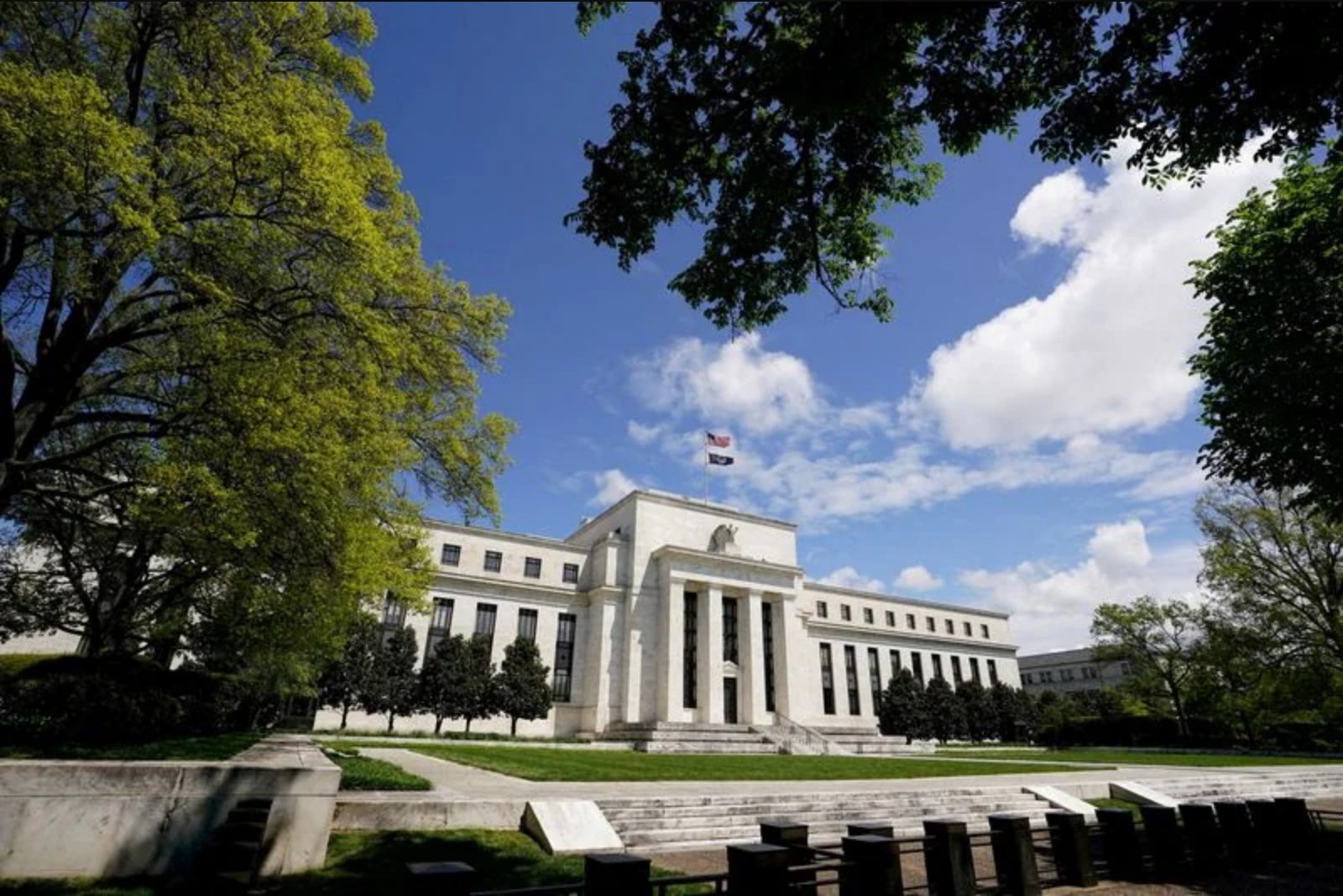
Financial markets shifted markedly on Tuesday after a Federal Reserve governor suggested that a 50-basis-point interest-rate hike should be considered next month if core monthly inflation again printed at 0.3% or higher. That exact monthly core inflation outcome was reported later in the trading day, reinforcing the governor's signal and prompting investors to re-price the likelihood of an outsized increase from the Fed.
Another policy-maker echoed the tighter bias later in the session. The president of the Dallas Fed issued remarks with a similarly hawkish tenor, and market participants began to entertain the remote possibility of a half-point increase in December. If a single large move does not materialize in December, the market-implied alternative became two consecutive rises in short order - one next month and another in January.
The inflation backdrop cited by traders extended beyond energy-driven components. Core inflation readings were described as sticky across multiple sectors beyond fuel and transportation, and headline annual inflation remained nearly double the Federal Reserve's target. Those dynamics unsettled fixed income markets: two-year U.S. Treasury yields jumped by as much as 20 basis points, and equity indexes retreated despite heavy investor attention on technology companies.
Compounding risk sentiment, oil prices moved higher early in the day amid reports of further shipping attacks and disruptions in the Gulf. Energy markets’ repricing added to the pressure on bond and equity markets, reinforcing the narrative that stickier inflation and geopolitical friction can complicate the Fed's path.
In technology, the week’s drama intensified around one heavyweight. Reports and probes widened into the relationship between the chief executive of a major chipmaker and a Chinese businesswoman alleged to be an intelligence operative, and market reaction was swift. The company saw its market capitalization decline by almost 10 percent over the week, amounting to a drop near $430 billion, and observers noted growing pressure on the chief executive to step aside. The company issued a statement saying its board saw no cause to believe U.S. national security or corporate secrets had been compromised and that the executive committed to cooperating with the firm's internal review.
There was somewhat brighter news within the broader AI and data centre landscape. A private AI firm commenced its initial public offering roadshow, signaling an intention to sell nearly $90 billion of new shares while indicating a valuation around $1.4 trillion - notably below valuations discussed a few months earlier. Separately, a data centre builder reported an earnings beat and provided guidance that the market interpreted favorably, sending its stock higher by roughly 8 percent ahead of the following trading session.
On credit, a regional Federal Reserve report offered measured reassurance. The Federal Reserve Bank of New York said the overall level of troubled borrowing in the U.S. rose modestly in the third quarter but did not appear to signal a material deterioration in credit quality. Loans flagged as being in some form of trouble accounted for 5 percent of the total in the third quarter, up three-tenths of a percentage point from the second quarter, the report noted in its Quarterly Report on Household Debt and Credit.
Today’s market note
- Veterans Day: stock markets open, bond markets closed.
The sequence of events underscored how monetary policy signals, inflation readings and idiosyncratic corporate news can interact to create rapid repricing across multiple asset classes. Bond yields reacted to renewed concern over the inflation outlook and the potential for faster policy tightening, while equity volatility was amplified by headline risk in large-cap technology names and a pickup in oil market tensions.