
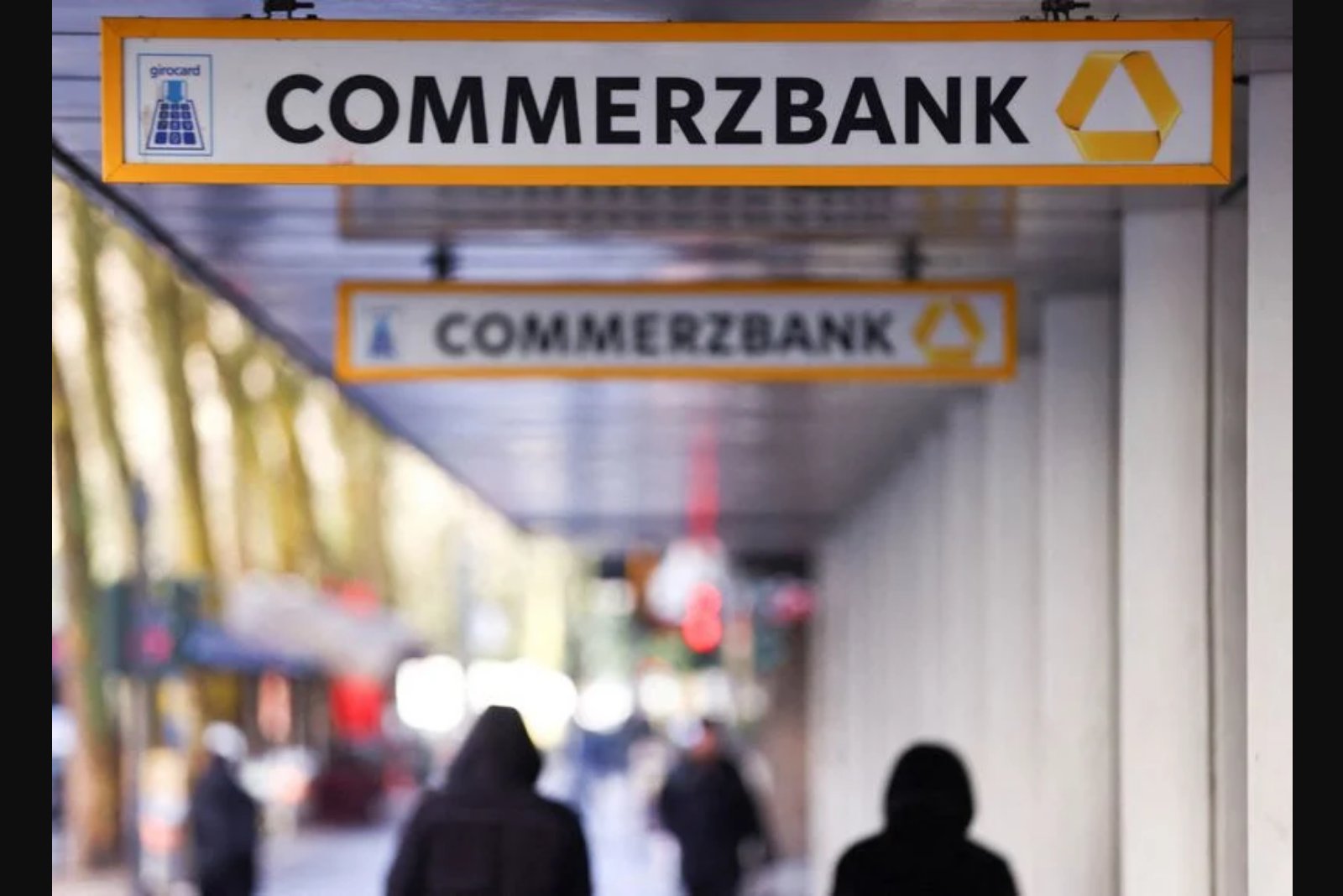
UniCredit has signalled that the protracted takeover battle for Commerzbank is moving from speculation about possibility to questions of timing and method. The Milan-based lender, whose chief executive Andrea Orcel has led the bank since 2021, disclosed on Wednesday that it now holds 48% of the German bank’s shares after launching a hostile bid in May as part of a €45 billion ($51 billion) proposal.
The investment originally began in September 2024 and has evolved into an almost two-year confrontation between two of Europe’s larger banks. The campaign has encountered persistent resistance in Germany, highlighting the practical and political sensitivities involved in cross-border megadeals within the euro zone.
Commerzbank responded to UniCredit’s ownership disclosure by saying that under 2% of retail and institutional shareholders had tendered their shares to date, and that most of those who did were "banks and parties connected to UniCredit," a point Commerzbank said illustrated the offer’s "low attractiveness."
Still, momentum appears to be tilting in UniCredit’s favour. Hesse state premier Boris Rhein urged both banks to enter talks, saying: "The priority now is to find common ground and engage in constructive dialogue at the highest levels of management." The appeal for negotiation came as market participants and investors reassessed the likely end states of the contest.
Orcel faces a limited set of paths to convert his nearly half stake into effective or formal control. Observers list three main options:
- Amend certain swap contracts UniCredit holds so that its economic exposure reaches 59% of Commerzbank;
- Buy shares on the open market after required approvals are completed next year;
- Enter formal discussions with Commerzbank’s management about a negotiated transaction.
Both UniCredit and Commerzbank say they remain willing to meet, yet so far they have not found common ground. If UniCredit were to pursue a full statutory merger without agreement, it could attempt to force a combination with a 75% shareholder vote. That route would still require dealing with Germany’s federal government, which currently holds a roughly 12% stake in Commerzbank, and other minority shareholders.
Some Commerzbank executives who have resisted the takeover are now concentrating on securing a higher price for shareholders. Manfred Pointke, founder of investor MPPM and a Commerzbank shareholder, expressed the view that an eventual majority for UniCredit was unavoidable: "It’s inevitable that UniCredit will gain a majority stake here and that the whole thing will go through. It’s just a matter of time," he said. Pointke has not yet tendered his shares to UniCredit but indicated he might sell if the offer rose to about €45 or €47, compared with the bid price of under €40.
Regulatory capital treatment is another material consideration. UniCredit expects the European Central Bank to recognise that it has de facto control of Commerzbank. The bank warns that if that determination occurs while UniCredit still holds less than 50% of the shares, it will face a heavier capital charge than if it had majority ownership.
Crossing the 50% threshold also carries governance consequences: it would be a prerequisite for UniCredit to name half of Commerzbank’s supervisory board members, a lever Orcel has suggested he could use.
Analysts at Citi commented that "It is increasingly likely that UniCredit will now have to consolidate it post the tender offer and ECB approvals (and reverse the buyback deduction booked for 2025)." Those technical accounting and capital-treatment issues shape the timing and sequencing of any integration should it progress.
Despite apparent momentum, significant challenges remain. One is the wave of domestic banking consolidation in Italy; a decisive push to complete the Commerzbank deal could constrain UniCredit’s flexibility and capacity to participate in other local M&A, potentially affecting its relative domestic ranking.
Another obstacle is political and bureaucratic resistance in Germany. Former UniCredit staff involved in the bank’s earlier acquisition of HVB warned that German opposition could translate into procedural impediments. If UniCredit cannot secure buy-in from Commerzbank management or from Berlin, it risks owning a large block of shares without the immediate ability to consummate the full merger it seeks.
Thorsten Beck, director of the Florence School of Banking and Finance, characterised Orcel’s tactics as a "creative destruction approach" and likened it to "a bit like the ’elephant in the porcelain shop’." He cautioned: "Yes, there is indeed a big risk that this will not work out well for UniCredit. Then again, in finance, money often wins the day, and I can imagine senior management at Commerzbank falling in line once everything is done," he said.
The situation remains fluid. UniCredit’s 48% holding places it close to key thresholds but short of the majority required for unambiguous control. How the ECB treats UniCredit’s influence, whether additional shareholders tender their stakes, and whether political obstacles are resolved will determine whether the contest concludes in a negotiated deal, a forced merger or a protracted standoff.
($1 = 0.8768 euros)