
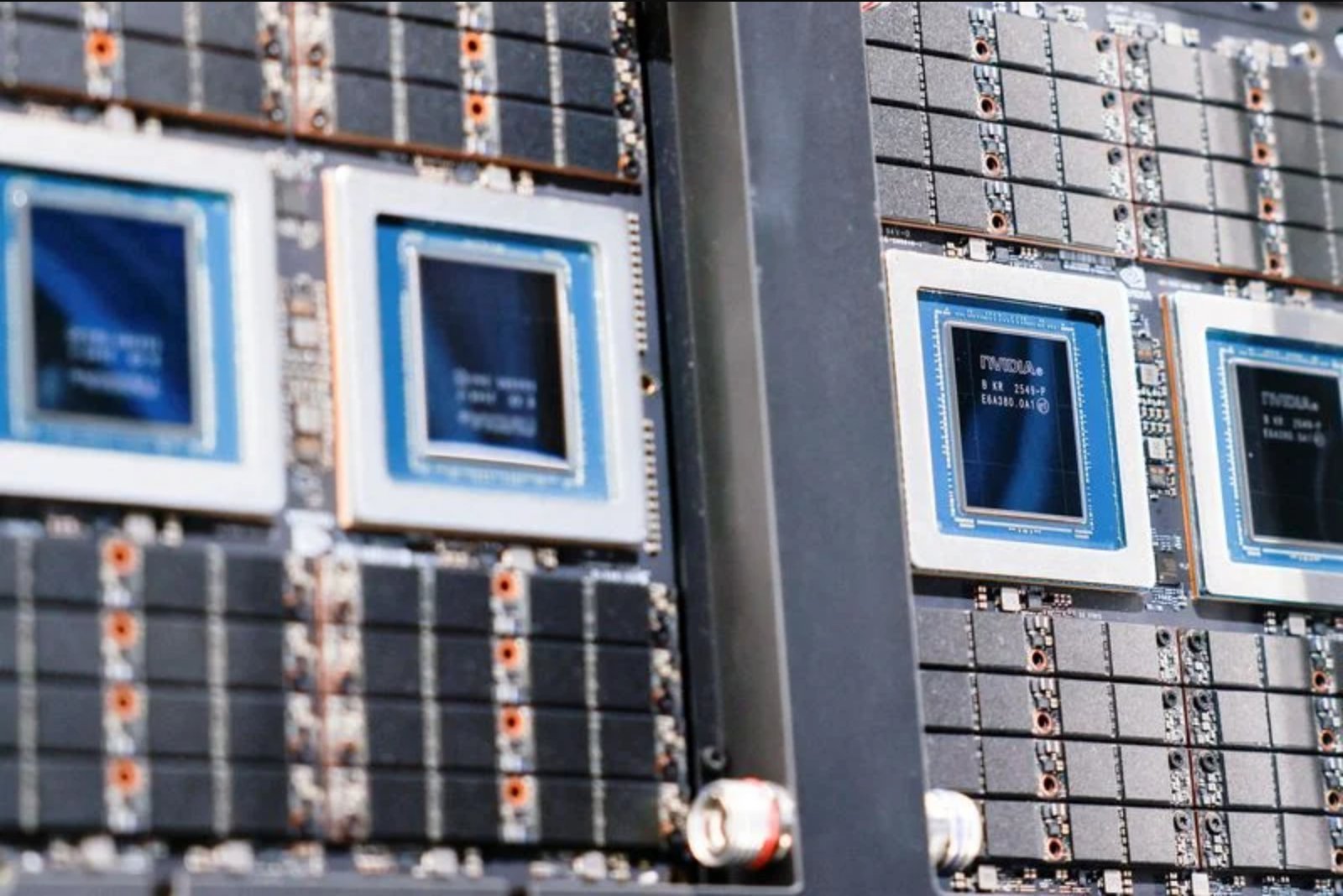
Perplexity confirmed on July 7 that it plans to run workloads on Nvidia's new Vera central processing units, marking another customer commitment as Nvidia moves to expand its footprint beyond specialized AI accelerators and into more conventional CPU markets.
Nvidia has projected roughly $20 billion in revenue from its Vera chips by the close of the current fiscal year. The company positions Vera as a more general-purpose processor compared with its suite of AI-focused offerings, aiming to capture a share of markets long served by established CPU suppliers.
For decades, Intel and Advanced Micro Devices have supplied the majority of processors that power laptops, servers and other systems. Nvidia's entry with Vera places it squarely in competition with those entrenched players as it seeks to broaden sales amid growing interest from AI firms in custom hardware.
The Vera announcement arrives at a moment when some AI developers are creating their own chips. Nvidia has described Vera as a way to diversify its revenue stream even as bespoke AI silicon emerges from companies such as OpenAI and DeepSeek.
Perplexity's vice president for computer enterprise and infrastructure, Nate Kupp, said in an interview that Nvidia's CPU executed AI agent coding tasks about 1.5 times faster than traditional CPUs. "Vera really stood out to us as just like a dead-on fit for a lot of the core workloads that we have," Kupp said.
The startup did not reveal how many of Nvidia's CPUs it intends to purchase. Nvidia previously disclosed that other major organizations, including OpenAI, Anthropic and Oracle, plan to use its CPUs.
Analysts and industry observers note that many existing CPUs were designed before the emergence of AI agents - autonomous software entities that can perform extended sequences of tasks once instructed. Unlike human users, who pause between tasks, AI agents can run continuously, a usage pattern that can place different demands on processors.
Nvidia's Vera initiative represents a strategic push to win workloads that have traditionally been the domain of Intel and AMD, while offering performance characteristics tailored to persistent, agent-driven AI workloads. Perplexity's confirmation adds another data point to Nvidia's rollout as the company seeks to broaden its market presence.