
PepsiCo is encountering a sharper-than-expected slowdown in the United States as shifting consumer habits make it harder to rekindle growth in its snack and beverage businesses.
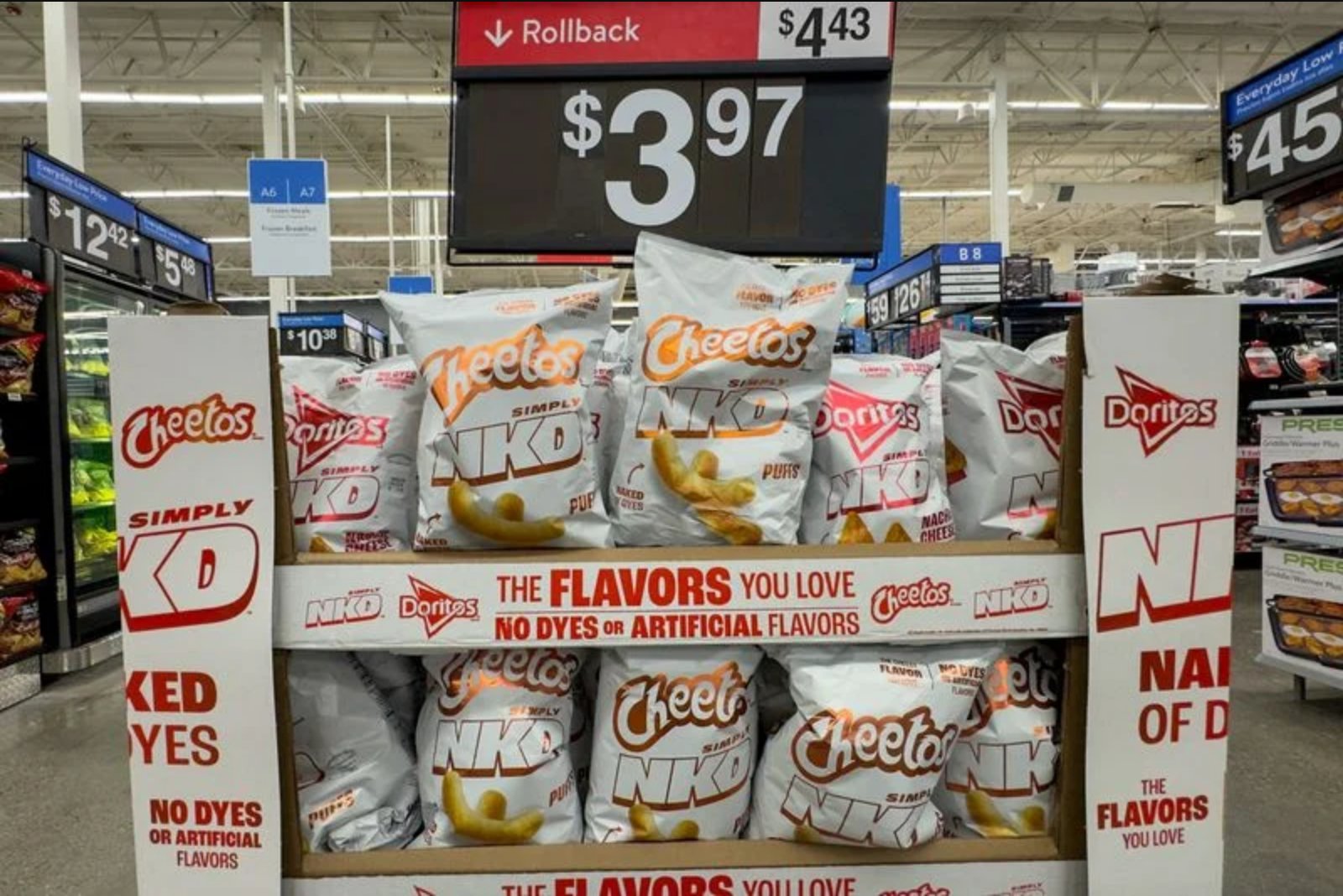
In the second quarter ended June 13, PepsiCo saw sales in its North America food unit decline 2% and reported flat volumes for the period, despite earlier, sizeable price cuts on key items. Management reduced prices by as much as 15% on some of its best-known snack products, including Lay’s, Doritos, Cheetos and Tostitos, yet volumes did not rise in the quarter.
The results represented a reversal from momentum seen earlier this year. In the first quarter, volume growth improved to around 2% and the North America food business had returned to growth, but volumes at the food business have now fallen four times in the last six quarters.
Market contrast and investor reaction
The divergence with Coca-Cola is particularly pronounced. PepsiCo’s North America beverage volume declined 4% in the most recent quarter, while Coca-Cola reported 4% growth in the region three months earlier. Share-price performance has reflected that gap: Coca-Cola’s stock has risen more than 20% so far this year, while PepsiCo is down around 4%.
PepsiCo’s results are likely to draw closer attention from activist investor Elliott Investment Management, which disclosed a roughly $4 billion stake nearly 10 months ago and has urged actions to reinvigorate the soda business, lift the company’s share price and consider selling non-core food assets. "Investors certainly want better volumes in the face of them lowering price," said Stephanie Link, chief investment officer at Hightower Advisors, which holds PepsiCo stock.
Why snacking is changing
Several powerful demand-side forces are reshaping American snacking patterns. GLP-1 weight-loss drugs have seen rapid uptake, living costs remain elevated and more consumers are choosing foods they perceive as healthier - higher in protein, lower in sugar or with added fiber.
A PwC analysis of Numerator data cited by the company shows GLP-1 adoption increased to 21% of U.S. households in May 2026, up from 9% in January 2025. Those users are reported to be buying fewer sweet treats and cutting back on salty snacks.
"Consumers have moved from snacking on autopilot to making much more deliberate decisions about what they eat and how often," said Suzy Davidkhanian, vice president and principal analyst at eMarketer.
For PepsiCo, whose food brands including Ruffles and PopCorners make up about 58% of its annual revenue, that shift poses a direct threat to a longtime growth engine.
Management challenges and strategic choices
Analysts say any meaningful turnaround will depend not only on affordability but on how quickly PepsiCo can answer demand for functional and perceived-healthier products. Company executives cautioned last week that improvement in the North America business is likely to be more gradual than previously expected.
Marketing consultants and industry observers point to speed and relevance as critical. "PepsiCo now finds itself competing harder for every dollar, and increasingly that competition is about relevance as much as price," said Katherine Machado O’Hara, founder of marketing consultancy The Oxigeno Project. She added the company "must rethink its 'giant in the room' mentality and support their innovation teams to allow products to market much faster ... A year late isn’t just a delay, it can mean missing the trend entirely."
Where things stand
The combination of shifting consumer behavior, pricing actions and uneven volume trends has left PepsiCo at a crossroads in North America. The company continues to face pressure to adapt product innovation and go-to-market timing, while also responding to activist investor demands and heightened scrutiny from shareholders.
How quickly PepsiCo can translate changing preferences into new product success and regain volume momentum will determine whether the company can restore its previous growth trajectory in the most important market for its snack portfolio.