
Impulse Space said Tuesday it has raised $500 million in a Series D financing round, valuing the company at $4.26 billion including the new investment. The round was co-led by 137 Ventures and Banner VC and included participation from existing investors such as Founders Fund and Linse Capital.
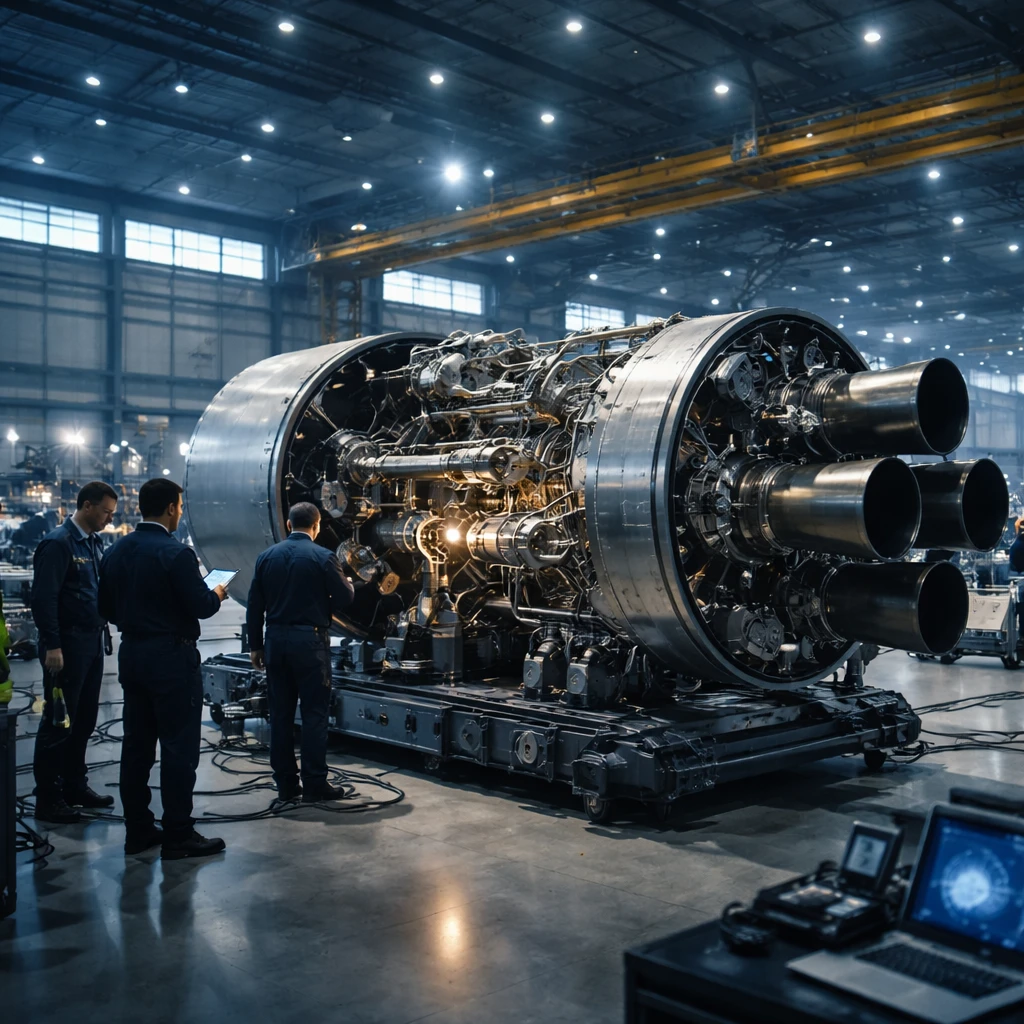
Led by Tom Mueller, an early SpaceX employee, Impulse Space has accumulated roughly $1 billion in total funding since its 2021 launch. The startup builds space tugs - specialized spacecraft that move satellites between orbits - and is developing propulsion systems to enable functions including long-distance transport, landing and orbital position changes.
Impulse Space currently operates two vehicles. The smaller Mira craft has flown three missions, with the most recent launch occurring in November 2025. The company’s larger vehicle, Helios, is designed to handle heavier payloads and is scheduled to begin flying in 2027.
The company said it will use the new capital to expand its team and increase manufacturing capacity. Over the past year Impulse Space has more than doubled its headcount and opened new offices in Washington, DC and Boulder, Colorado.
Beyond commercial services, Impulse Space is working with partners to support Anduril Industries Inc. in producing prototypes of space-based interceptors for President Donald Trump’s Golden Dome missile defense shield, a layered defense system designed to protect the US from foreign attacks.
The funding round and stated uses of proceeds underscore the company’s dual focus: scaling production and workforce to meet anticipated demand while advancing engineering work on propulsion and larger vehicle capabilities. The Mira vehicle’s completed missions and the scheduled Helios flight in 2027 represent near-term program milestones the company has highlighted as it grows.
Context and next steps
With fresh capital, Impulse Space plans to step up hiring and manufacturing output. The company’s product set centers on moving and manipulating payloads in space through dedicated tugs and propulsion modules, and the new funds are intended to accelerate those operational and engineering efforts.