
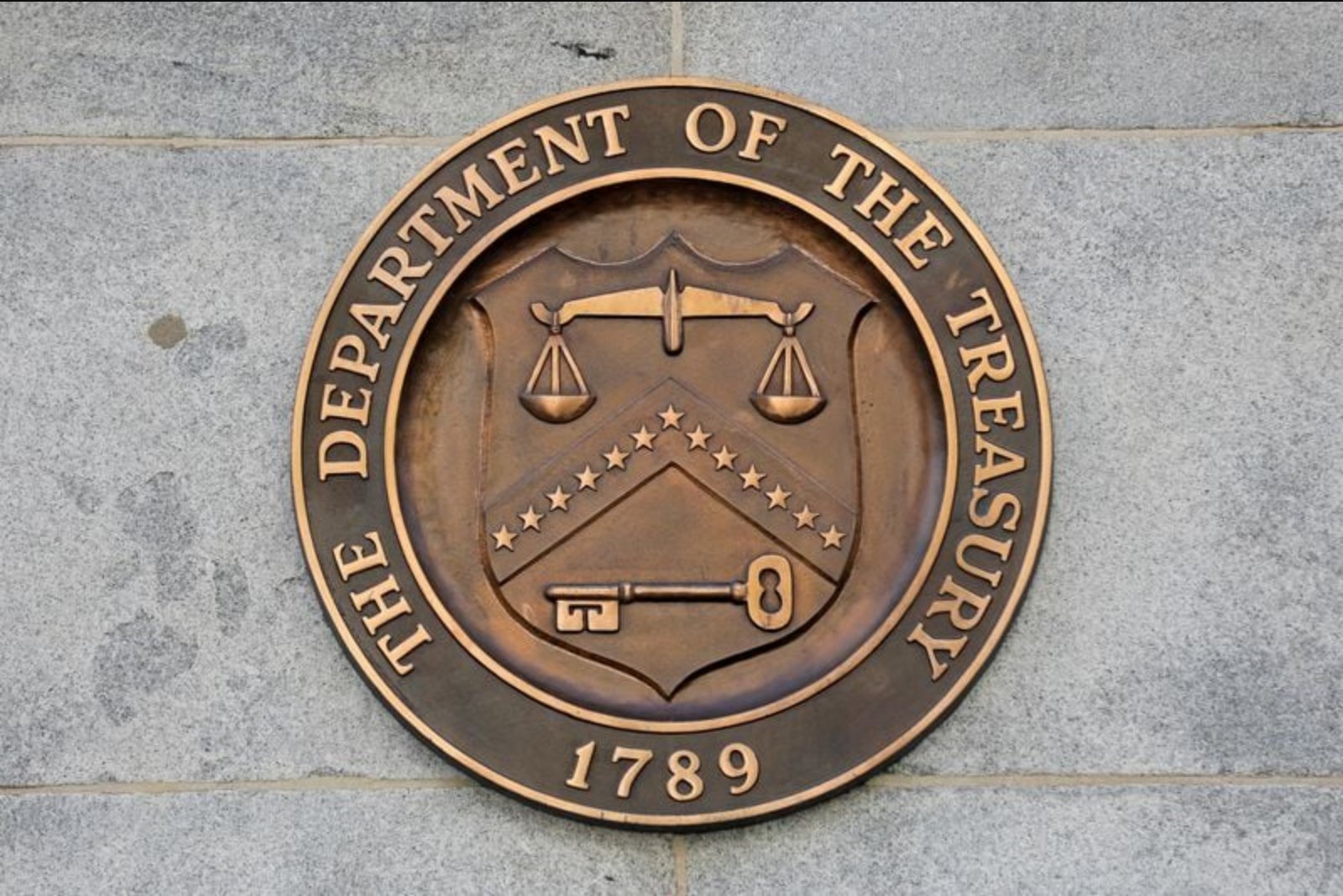
WASHINGTON, June 5 - The U.S. Department of the Treasury on Friday called on American banks to step up efforts to detect and report identity theft, payroll fraud and other illegal activities associated with people who are not authorized to work in the United States. The advisory comes after a presidential executive order last month that instructed financial institutions to increase scrutiny of non-citizens' banking activities.
The Treasury released a notice that lists 18 red-flag indicators designed to help financial institutions identify what it characterizes as "suspicious activity connected to fraud schemes involving the unlawful employment of unlawful aliens." The document highlights specific patterns and behaviors that could signal payroll-related fraud or identity misuse tied to unauthorized employment.
Regulators singled out certain industries where these schemes may be more prevalent, warning about the role of labor brokers and employers who may be complicit in facilitating unlawful employment. The advisory specifically calls attention to agriculture, construction, domestic service and hospitality as sectors identified in the guidance.
In addition to industry-focused warnings, the advisory urges banks to pay closer attention to Individual Taxpayer Identification Numbers - ITINs - as part of their monitoring efforts. The emphasis on ITINs reflects the guidance's focus on documentation and identification patterns that may accompany the kinds of payroll or identity fraud the Treasury seeks to curb.
The guidance was issued by the Treasury's Financial Crimes Enforcement Network (FinCEN) alongside the Federal Deposit Insurance Corporation, the Office of the Comptroller of the Currency and the National Credit Union Administration, in coordination with the Internal Revenue Service. Together, these agencies provided the red-flag list and related recommendations intended for use by banks and credit unions.
While the advisory provides indicators and sectors of concern, it stops short of prescribing specific enforcement measures for individual institutions, instead framing the guidance as part of broader efforts to enhance detection and reporting of illicit activity tied to unlawful employment.
What to watch:
- Banks and credit unions assessing account activity and payroll flows for signs of identity misuse or payroll fraud connected to unauthorized workers.
- Heightened attention to documentation such as ITINs within account opening and transaction monitoring procedures.
- Industries including agriculture, construction, domestic service and hospitality that are specifically highlighted in the advisory.