
A federal jury in Los Angeles found short seller Andrew Left guilty on 13 counts of securities fraud after two days of deliberations, but the conviction now faces a potential reversal after jurors employed an incorrect verdict form during deliberations.
Prosecutors said Left operated a multi-year scheme, using social media posts to obscure his trading intentions and influence stock prices. After roughly three weeks in court and two days of jury deliberations, jurors returned a verdict on Monday finding Left guilty on 13 of 17 counts presented at trial.
U.S. District Judge Virginia Phillips discovered a procedural mistake when reviewing the jury paperwork. Jurors had used an older version of the verdict form that included an 18th count - a charge of making false statements to a federal agent - which the court had dismissed before trial commenced. The jury nevertheless recorded a guilty finding on that dismissed count.
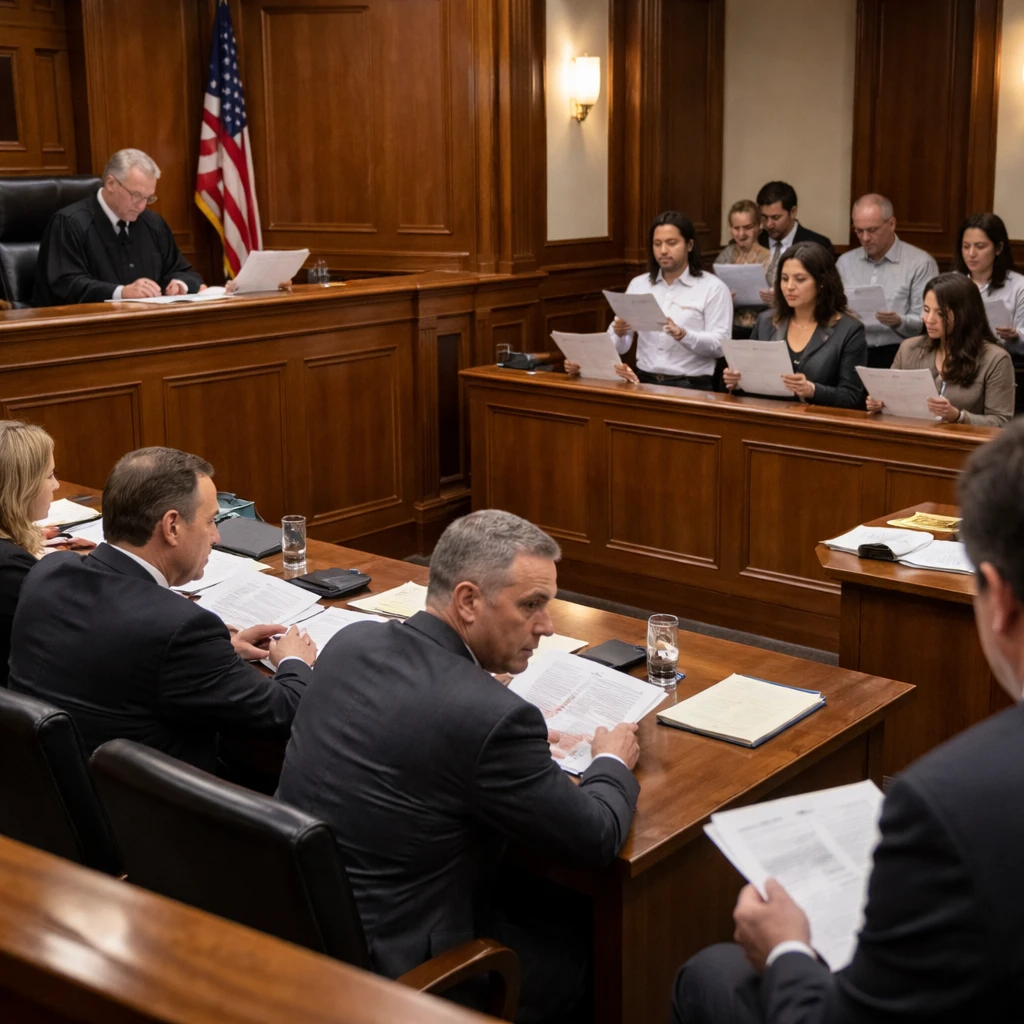
Following the discovery, Judge Phillips called the defendant and counsel to the bench and instructed the jurors to complete the correct form. Within about an hour, the jury returned a revised verdict that again found Left guilty on 13 counts.
After the jury was excused, Left's attorney Eric Rosen asked the court to declare a mistrial. Judge Phillips said she would rule on that motion at a later date and allowed both prosecution and defense teams to file written briefs in the coming weeks.
"That a jury would return a guilty verdict on a charge no one ever explained to it speaks for itself about the reliability of this verdict," Rosen said in a statement. "We will be asking the court to set the verdict aside, and we remain confident that Andrew Left, who told the truth, will be vindicated."
Left, 55, faces a potential sentence that could exceed two decades when he is sentenced on Aug. 31. The court record notes that first-time defendants often receive shorter sentences, a factor that can influence final sentencing outcomes but does not alter the current motion practice regarding the verdict itself.
Timothy Belevetz, a former federal prosecutor not connected to the case, said courts treat such procedural irregularities seriously. He observed that, in typical practice, the prosecution prepares the jury verdict form and provides it to defense counsel for review before it is sent to jurors.
This matter will proceed with post-trial briefing on the mistrial request and related issues, leaving the ultimate status of the convictions pending the judge's ruling and any further court filings by the parties.