
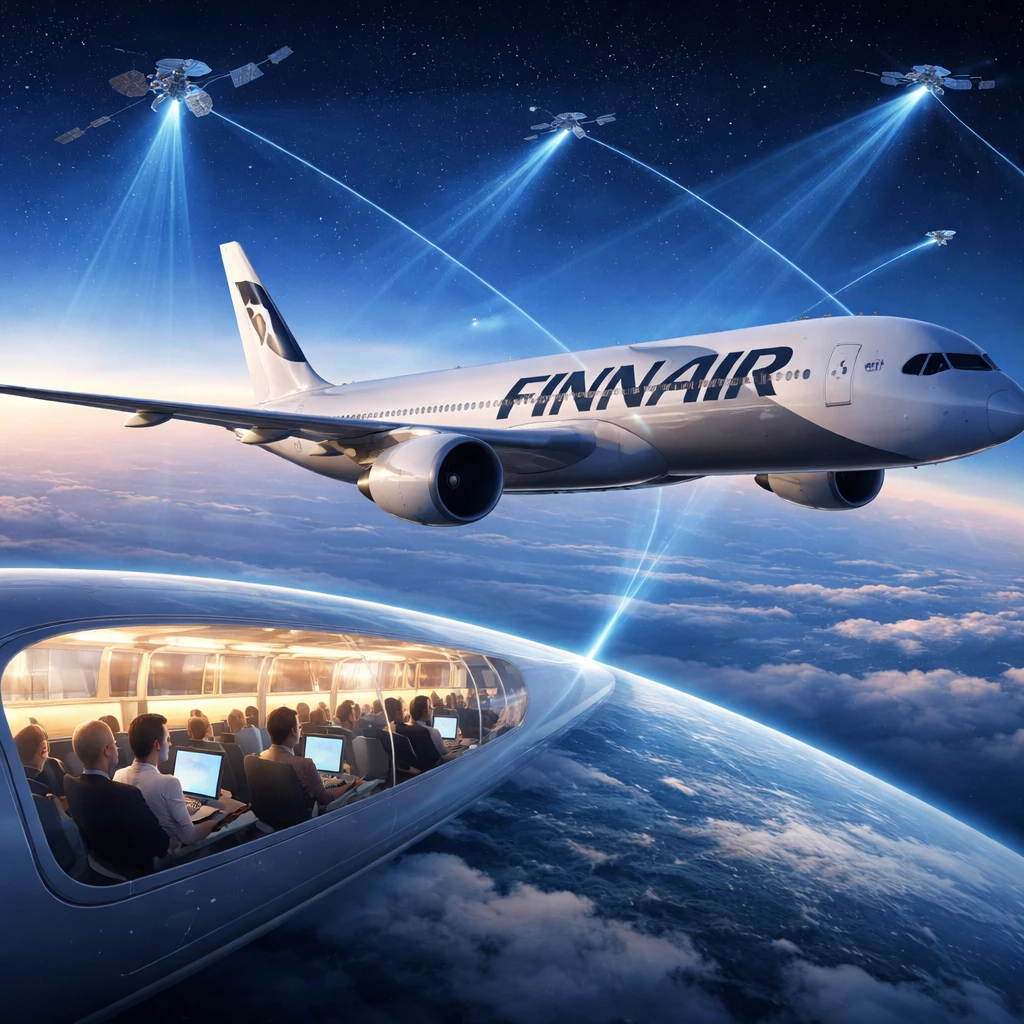
Finnair is conducting discussions with both SpaceX's Starlink service and Amazon's Leo as it explores new inflight Wi-Fi options for its fleet, the airline confirmed. The Helsinki-based flag carrier is engaging with multiple connectivity vendors as it seeks to upgrade passenger internet access.
Chief Executive Officer Turkka Kuusisto told Bloomberg in an interview that the airline expects to have a plan in place for its inflight Wi-Fi offering within the year, though he cautioned it is too early to say when a final choice will be announced. Kuusisto has previously stated at the IATA annual general meeting in Rio de Janeiro that, "We are in talks with all of the service providers."
Starlink has become a frequent selection among carriers aiming to enhance onboard connectivity, given its promise of high-speed access across an aircraft cabin. Several carriers have chosen Starlink over the past year, including Emirates and United Airlines Holdings Inc. Other airlines have selected Amazon's Leo for connectivity; Delta Air Lines Inc. is cited as a customer of Amazon's offering.
On demand patterns, Kuusisto said Finnair is seeing particularly strong bookings on Europe-to-Asia routes as travelers elect to fly with the carrier amid the ongoing Middle East war. In contrast, demand for flights to the United States has remained flat, he added.
Operationally, the airline indicated it has "good visibility" on jet fuel reserves for the upcoming summer travel season. Kuusisto warned, however, that a longer Iran war would raise the likelihood of disruptions to operations, increasing risk despite current fuel planning.
The discussions underline continued airline interest in both satellite-based low-orbit systems and alternative provider solutions for inflight connectivity. Finnair's timetable for deciding on a supplier is set within the year, but customers and markets will need to wait for an official announcement on the chosen technology and rollout schedule.
As these conversations proceed, Finnair is balancing commercial demand trends, particularly across Asia-Europe routes, with operational planning around fuel and potential geopolitical disruptions. The carrier's negotiations with multiple providers keep options open as it evaluates capacity, performance and deployment timelines from competing satellite and ground-segment systems.