
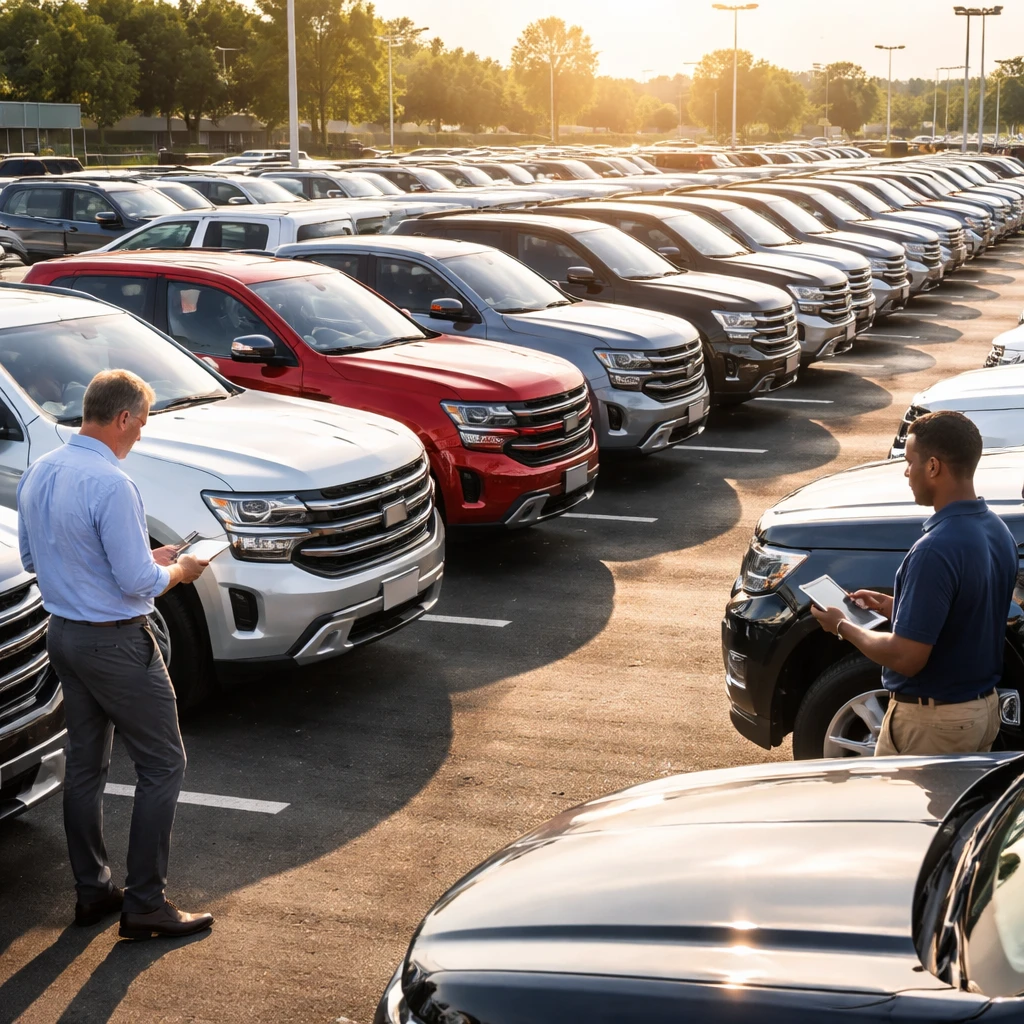
Citi's latest report shows U.S. light-vehicle sales reached a seasonally adjusted annual rate (SAAR) of 16.5 million units in June, marking the fourth consecutive month the market has exceeded a 16.0 million SAAR. The bank highlights a 2.9% increase in June on a daily selling rate basis, reflecting 25 selling days compared with 24 in the prior-year period.
For the second quarter, sales totaled 4.2 million units, a 0.5% increase that Citi says represents the strongest second-quarter comparison since 2021. Despite that quarterly gain, year-to-date sales remain down 2.8% through June.
On the outlook, Citi now projects full-year 2026 U.S. light-vehicle sales of 16.15 million units. That projection incorporates an assumption of a 1.5% increase in sales during the second half of the year.
Drivers behind the monthly result
Citi notes that June's figures benefited from easier year-over-year comparisons. The bank points to tariff-related pre-buying that pushed the SAAR above 17 million units in March and April of 2025, creating more favorable comparables for May and June of the current year.
Inventory and pricing dynamics
Dealer inventory levels have been steady between 2.5 million and 3.0 million units since the start of 2024, Citi reports. That range is approximately 1.0 million units below the pre-Covid average for dealer stocks. Citi attributes a combination of steady demand and disciplined inventory management to supporting positive pricing and record industry revenue.
Longer-term demand outlook
The bank estimates trend demand at 16.5 million to 17.0 million units annually over the next five to ten years. Citi cites two supporting factors for that estimate: the replacement of what it describes as the oldest vehicle fleet on record and the largest increase in licensed drivers in over 40 years.
OEM strategy shifts
Citi highlights strategic shifts at General Motors and Ford, noting both companies have moved emphasis away from lower-margin small and mid-sized cars toward higher-priced, more profitable light trucks. The report states both automakers maintain a double-digit price premium versus the overall market, have gained revenue share over the last four years, and are expected to record further revenue-share gains this year.
Key takeaways
- June SAAR of 16.5 million marks the fourth straight month above 16.0 million.
- Second-quarter sales of 4.2 million units were up 0.5% and are the best second-quarter comparison since 2021.
- Citi's full-year 2026 projection stands at 16.15 million units, assuming a 1.5% H2 increase.
Context limitations
The report attributes some of the recent strength to easier year-over-year comparisons following elevated pre-buying in 2025; it does not ascribe causality beyond what is stated in Citi's analysis.