
World July 2, 2026 06:06 AM

How Americans Plan to Mark the 250th Independence Day: Cookouts, Flags and Divided Sentiments

A recent national poll finds broad participation in Fourth of July traditions alongside sizable ambivalence about the holiday and the country’s long-term unity

By Leila Farooq
Share
Twitter Reddit Facebook LinkedIn

A large majority of U.S. adults say they will observe the nation’s 250th Independence Day, most commonly by attending or hosting cookouts, displaying flags and watching fireworks. At the same time, many Americans view July 4 primarily as a day for rest or family time, and partisan differences shape both celebration habits and views about the country's future unity.

How Americans Plan to Mark the 250th Independence Day: Cookouts, Flags and Divided Sentiments
Summarize with
ChatGPT Perplexity Claude Grok Gemini

Key Points

  • 80% of adults plan to celebrate the 4th of July this year, with 76% of Democrats, 74% of independents and 91% of Republicans saying they will observe the holiday.
  • Common activities include cookouts (48%), attending fireworks shows (34%), setting off fireworks personally (18%), and displaying flags or bunting outside homes (41% overall; 64% among Republicans).
  • 57% view July 4 primarily as a day to rest, spend time with friends or family, or just as a day like any other; 38% consider it unlikely the U.S. will still exist as a single country 250 years from now.

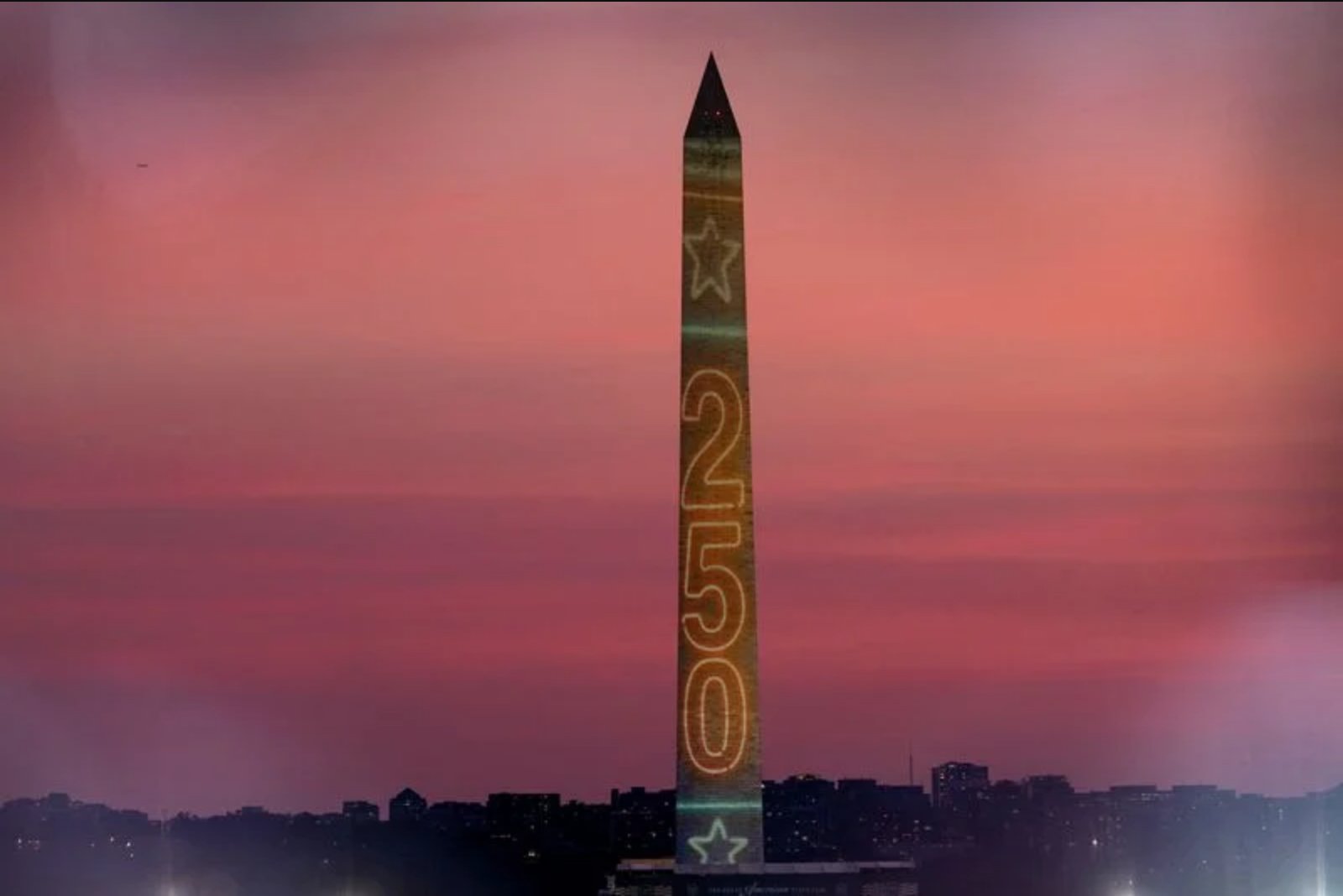
Many Americans intend to mark the country’s 250th anniversary on July 4 with familiar rituals such as grilling or attending parades, while a meaningful portion of the population treats the holiday as less important or as another day, according to a recent nationwide poll.

Participation and how people will celebrate

The poll found that 80% of respondents plan to celebrate this year. That share varied by party identification - 76% among Democrats, 74% among independents and 91% among Republicans said they will observe the holiday. Conversely, roughly one in five Americans said they will not be celebrating.

  • 57% said they mostly regard July 4 as a day to rest from work, spend time with friends or family, or simply as a day like any other.
  • 48% plan to attend a cookout with family or friends, and 16% said they will prepare red, white and blue themed foods, drinks or desserts using the colors of the American flag.
  • 34% intend to attend a fireworks show, while 18% said they will set off fireworks themselves.
  • 41% reported they will display an American flag or bunting outside their homes. That practice was more common among Republicans, with 64% saying they will display a flag or bunting, and Republicans were also reported as more likely to display the flag regularly throughout the year compared with independents or Democrats.

Public attitudes about the nation’s future

Political divisions surfaced in broader views about America’s durability. The poll asked about perceptions looking forward 250 years and found that 38% of respondents considered it unlikely that the United States will still exist as a single country a quarter-century from now. The poll did not provide further detail in the responses beyond this share.

Methodology

The survey was conducted online and nationwide from June 12 to June 15 and included 1,537 U.S. adults. Results carry a margin of error of plus or minus 3 percentage points.

Overall, the results portray a country in which traditional Independence Day activities remain widespread, but where a significant minority expresses detachment from the holiday and doubts about long-term national unity. The survey highlights variation by partisan identification in both celebratory behavior and civic displays such as flag-waving.

Risks

  • Political polarization affects civic behaviors and expressions, such as flag displays, which may influence consumer demand patterns in retail sectors selling patriotic merchandise - impacting the retail and consumer goods sectors.
  • Public ambivalence toward national unity and the future could translate into unpredictable shifts in voter sentiment or policy priorities, posing uncertainty for sectors sensitive to political risk such as defense contractors and infrastructure investments.
  • A sizable portion of the population not celebrating the holiday could lead to lower-than-expected local spending on events and hospitality in some areas, creating variability in short-term revenues for restaurants, event organizers and local tourism businesses.

More from World

Separatist Fighters in Papua Kill American Pilot, Burn Cargo Plane, Say Local Rebels Jul 2, 2026 Upper Tribunal Pauses Parts of FCA Motor Finance Redress Scheme After Legal Challenges Jul 2, 2026 FCA seeks clearer, consistent rules for investment cost disclosure Jul 2, 2026 French Far Right Faces Crossroads as Appeal Decision Nears Jul 2, 2026 Southern France Battles Multiple Wildfires as Drought and Heat Persist Jul 2, 2026