
World July 2, 2026 06:30 AM

Southern France Battles Multiple Wildfires as Drought and Heat Persist

Three fires, including two near Marseille, scorch more than 1,200 hectares amid strong winds and evacuation orders

By Derek Hwang
Share
Twitter Reddit Facebook LinkedIn

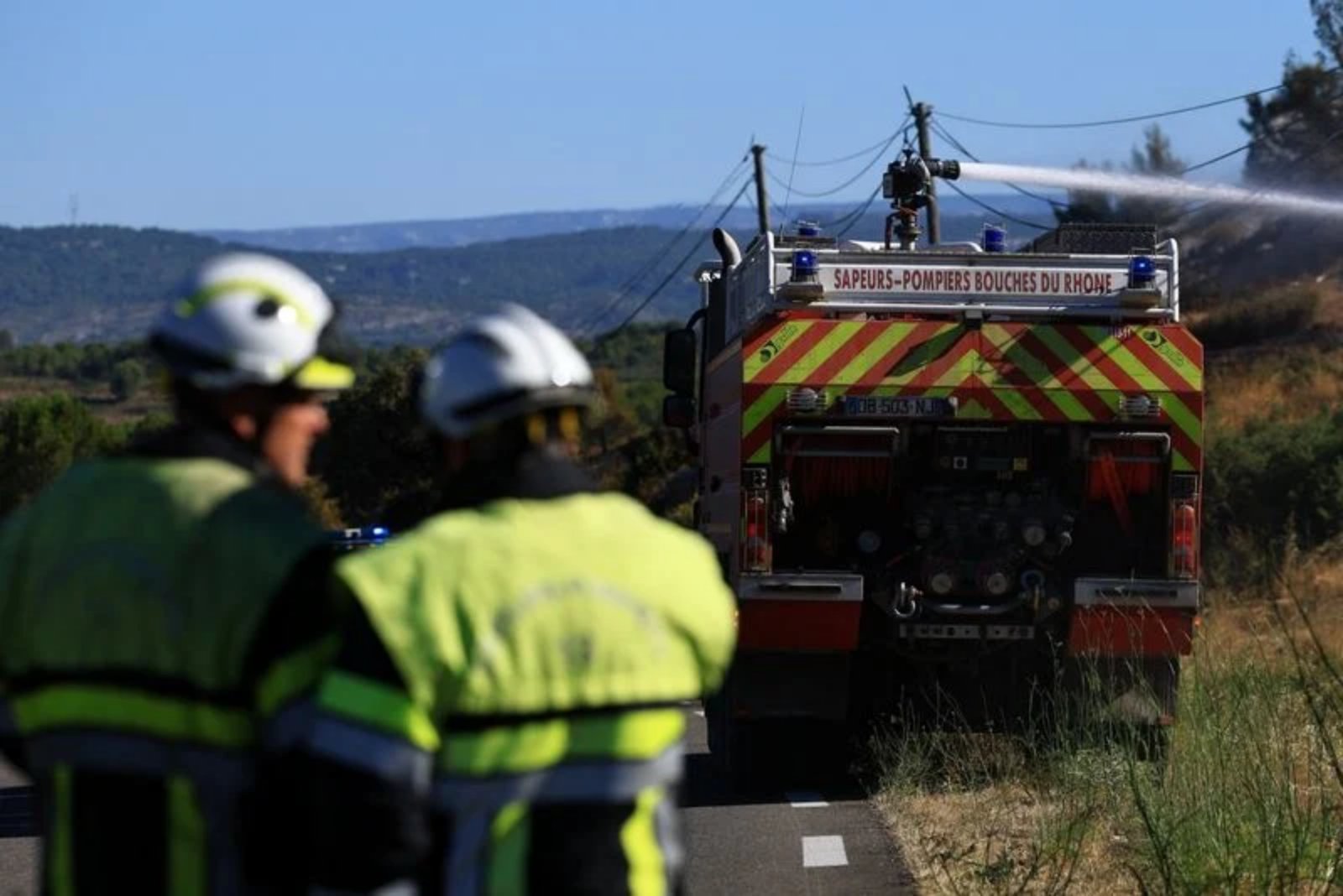
Multiple wildfires continued to burn in southern France on July 2 as strong winds and dry conditions complicated suppression efforts. Authorities reported three fires that together have burned 1,210 hectares. The largest blaze, in Aude near the Spanish border, consumed about 900 hectares and required the deployment of roughly 800 firefighters. Nearby, smaller fires near Marseille and in Lancon-Provence produced heavy smoke but no casualties; more than 2,000 people were evacuated from campsites in Frejus earlier in the week. French weather and health agencies warn of continuing heat and possible additional human health impacts.

Southern France Battles Multiple Wildfires as Drought and Heat Persist
Summarize with
ChatGPT Perplexity Claude Grok Gemini

Key Points

  • Three separate wildfires in southern France have burned a combined 1,210 hectares, with the largest in Aude accounting for around 900 hectares.
  • Roughly 800 firefighters are engaged at the largest fire; high winds are making containment more difficult - this has implications for emergency services and resource allocation.
  • Evacuations of over 2,000 people from campsites in Frejus and smoke affecting flights near Marseille illustrate impacts on tourism and aviation operations, while health authorities estimate roughly 1,000 excess deaths linked to the recent heatwave.

LANCON, France, July 2 - Fire crews were engaged on Thursday in containing several wildfires across southern France, where parched vegetation and gusty winds have intensified the blazes. Interior Ministry figures put the total area burned from three separate fires at 1,210 hectares (12,100,000 square meters), with two of those fires starting on the western perimeter of Marseille.

The largest of the incidents is in the Aude administrative department, close to the border with Spain. Local officials said approximately 900 hectares have burned there, and that high winds are complicating the efforts of about 800 firefighters assigned to the blaze.

In the vicinity of Marseille, responders were working to suppress a small fire in Rognac, near the city’s airport, while another fire covering 260 hectares in Lancon-Provence had been brought under control. Authorities reported no casualties in connection with these fires.

An acrid smoke hung over parts of the region. A Reuters witness at one landing reported pilots reassuring passengers that the odor of smoke they noticed was not emanating from their aircraft.

Further east in the Var department, in the resort town of Frejus about 35 kilometers from Cannes, officials evacuated more than 2,000 people from six campsites on Wednesday as a nearby forest fire threatened the area.

The World Meteorological Organization had warned last week that the record-breaking temperatures which baked western Europe for more than a week in late June would elevate wildfire risk, citing forecasts for sustained high temperatures, very low humidity and dry fuel in vegetation. France’s weather office also warned that another spell of extreme heat could arrive next week.

French health officials estimate that the recent heatwave may have led to roughly 1,000 excess deaths during the period of record temperatures. Emergency services continue to monitor conditions and manage evacuations and firefighting operations as weather factors evolve.


Context and response:

  • Three fires have burned a combined 1,210 hectares, with the largest incident in Aude causing about 900 hectares of damage.
  • About 800 firefighters were deployed to combat the Aude fire, where high winds are hindering suppression efforts.
  • Evacuations affected over 2,000 people in Frejus after a nearby forest fire threatened several campsites; no fatalities have been reported.

Risks

  • Sustained high temperatures, very low humidity and dry vegetation increase the likelihood of further wildfires - posing continued risk to emergency services and affected communities.
  • Strong winds can hamper firefighting efforts and lead to faster fire spread, creating operational challenges for crews and raising risks for nearby population centers and tourism sites.
  • An additional spell of extreme heat, as warned by the national weather office, could exacerbate health impacts and strain medical and emergency response systems.

More from World

Separatist Fighters in Papua Kill American Pilot, Burn Cargo Plane, Say Local Rebels Jul 2, 2026 Upper Tribunal Pauses Parts of FCA Motor Finance Redress Scheme After Legal Challenges Jul 2, 2026 FCA seeks clearer, consistent rules for investment cost disclosure Jul 2, 2026 French Far Right Faces Crossroads as Appeal Decision Nears Jul 2, 2026 Death of Candidate’s Mother After Thessaloniki Firebombing Spurs Calls for Protests Jul 2, 2026