
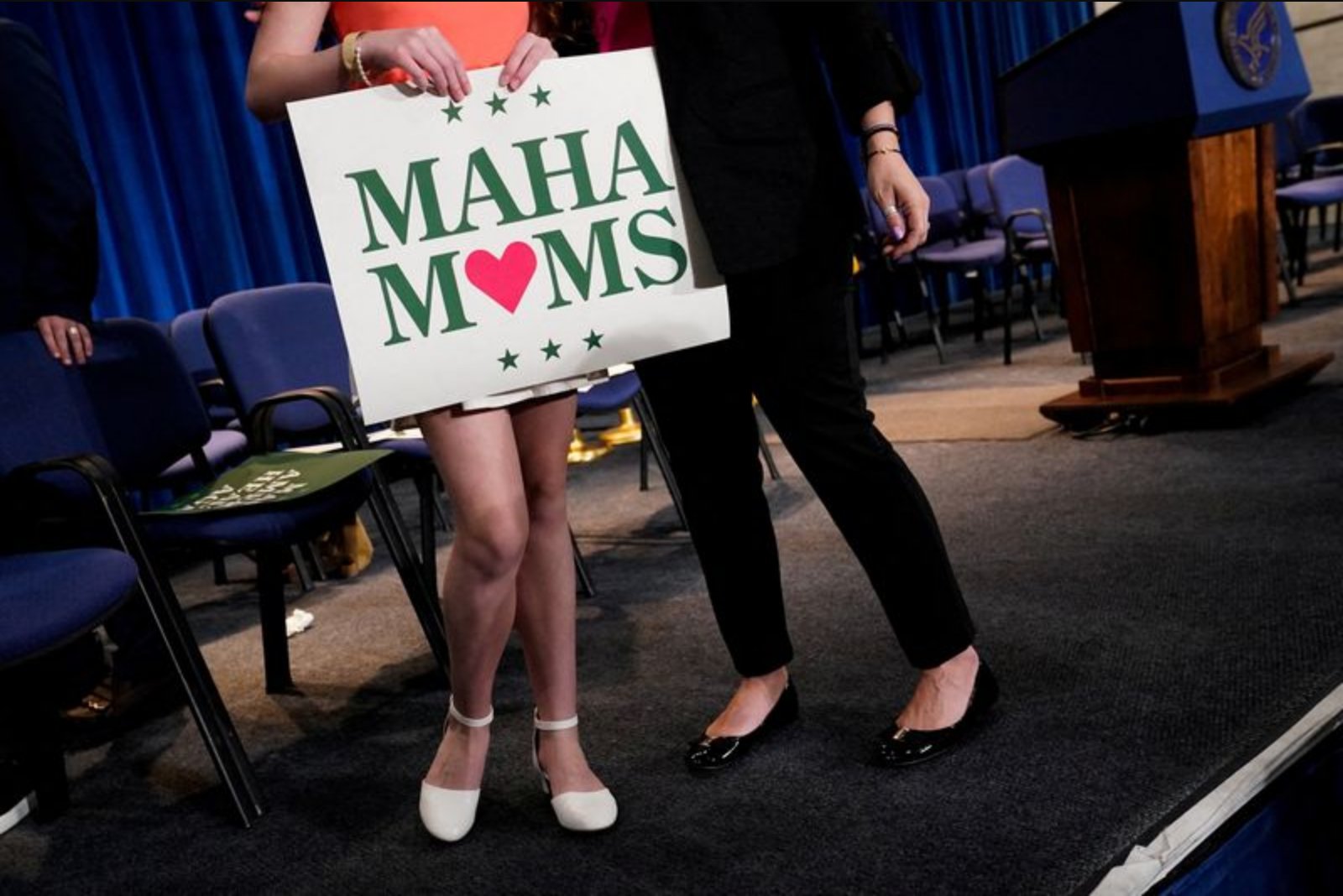
A recent KFF poll reveals that cost reduction in health care ranks as the most influential issue for voters who identify with the Make America Healthy Again - MAHA - movement, and it is a decisive factor for many across party lines as they consider their choices in November’s midterm elections.
The nonpartisan health research organization found that at least half of MAHA supporters said lowering health costs would have a "major impact" on both their vote and which candidates they back. Across all respondents in the survey, 61% reported that health costs will have a major impact on their vote, putting affordability ahead of concerns over food safety and vaccine policy.
Those findings underline a vulnerability for a president who has campaigned on affordability. The poll coincides with broader economic anxieties: the war on Iran is cited in the survey context as a factor fueling cost-of-living concerns, gasoline prices have risen, and U.S. restaurant sales have fallen - all developments that the poll and related reporting link to eroding presidential approval ratings. Analysts and political strategists view these trends as likely to affect Republicans’ chances of keeping control of Congress this year.
Poll details and priorities
KFF conducted the survey online and by telephone between April 14 and April 19 with a nationally representative sample of 1,343 U.S. adults. About 500 respondents identified themselves as supporters of the MAHA movement. The poll reports a margin of error of plus or minus 3 percentage points.
When asked to choose the most important health issue for the federal government, 42% of MAHA voters selected lowering health care costs. By comparison, 21% prioritized restricting chemical additives in food and 10% selected reevaluating vaccine safety.
Audrey Kearney, senior survey analyst at KFF, said, "This poll really shows that the issues the MAHA movement has elevated resonate broadly with the American public, but even for voters who support MAHA, healthcare costs are the dominant priority by a wide margin."
Tensions between MAHA activists and the administration
While some MAHA activists have welcomed policy moves from the administration, there are points of friction. The president reportedly said he would let his Health Secretary, Robert F. Kennedy Jr., "go wild" on health policy. Kennedy’s efforts to reduce the number of recommended childhood vaccines and to alter dietary guidelines have been welcomed by some within MAHA.
Yet the administration has also disappointed segments of the movement with specific actions. The poll narrative notes a February order aimed at protecting domestic output of a widely used weedkiller and an April nomination of a former official involved in the U.S. COVID response to lead the Centers for Disease Control and Prevention as examples that have not aligned with some MAHA priorities.
Zen Honeycutt, founder of Moms Across America, told Reuters, "He shook Bobby Kennedy’s hand and said he’d let him go wild. And nothing has been done to reduce our children’s exposure to toxic pesticides." Honeycutt remains supportive of Kennedy and said she hopes the administration will change course on pesticide policy. She also stated, "This administration has done more for health than any other administration ever in recorded history. It was brilliant of Trump to bring Kennedy on board."
Public views on regulation and administration performance
The KFF poll also found that majorities of the public believe there is inadequate regulation of chemical additives in food and pesticides used in agriculture. On two central MAHA concerns, the administration’s approval ratings were modest: 38% of respondents approved of its handling of vaccine policy and 46% approved its handling of food policy.
KFF noted that Kennedy’s approval ratings have been relatively steady compared with prior polls conducted in September and January, with roughly four in ten voters approving of his job as health secretary. The health secretary has sought quick policy wins in the run-up to the midterms after the White House reportedly urged him to scale back vaccine actions that prompted rapid criticism from major medical groups.
Implications for the midterms
The poll suggests that even within a movement defined by distinct health policy priorities, affordability remains the single most influential issue for voters’ decisions. Coupled with broader cost pressures in the economy identified in the survey context, this emphasis on price and spending could shape voter behavior in a way that matters for congressional control in November.
For now, the KFF data provides a snapshot of priorities and perceptions: health costs lead concerns for MAHA supporters and the wider electorate, sizable shares see regulation as insufficient for food additives and pesticides, and approval ratings for the administration on MAHA-related issues appear moderate at best.