
LONDON, June 12 - Global markets enter a consequential week where central bank policy decisions and geopolitical tensions converge. The U.S. Federal Reserve meets under its new chair, Kevin Warsh, while a Group of Seven summit in Evian-les-Bains focuses on the fallout from wars in the Middle East and Ukraine. In Asia, the Bank of Japan is poised to lift its policy rate to 1% for the first time since 1995, and emerging market central banks, notably in Indonesia and Brazil, face acute pressure. Meanwhile the United Kingdom confronts a politically charged by-election that could shift expectations about fiscal policy.
1) A new face at the Fed - and a market watching for signals
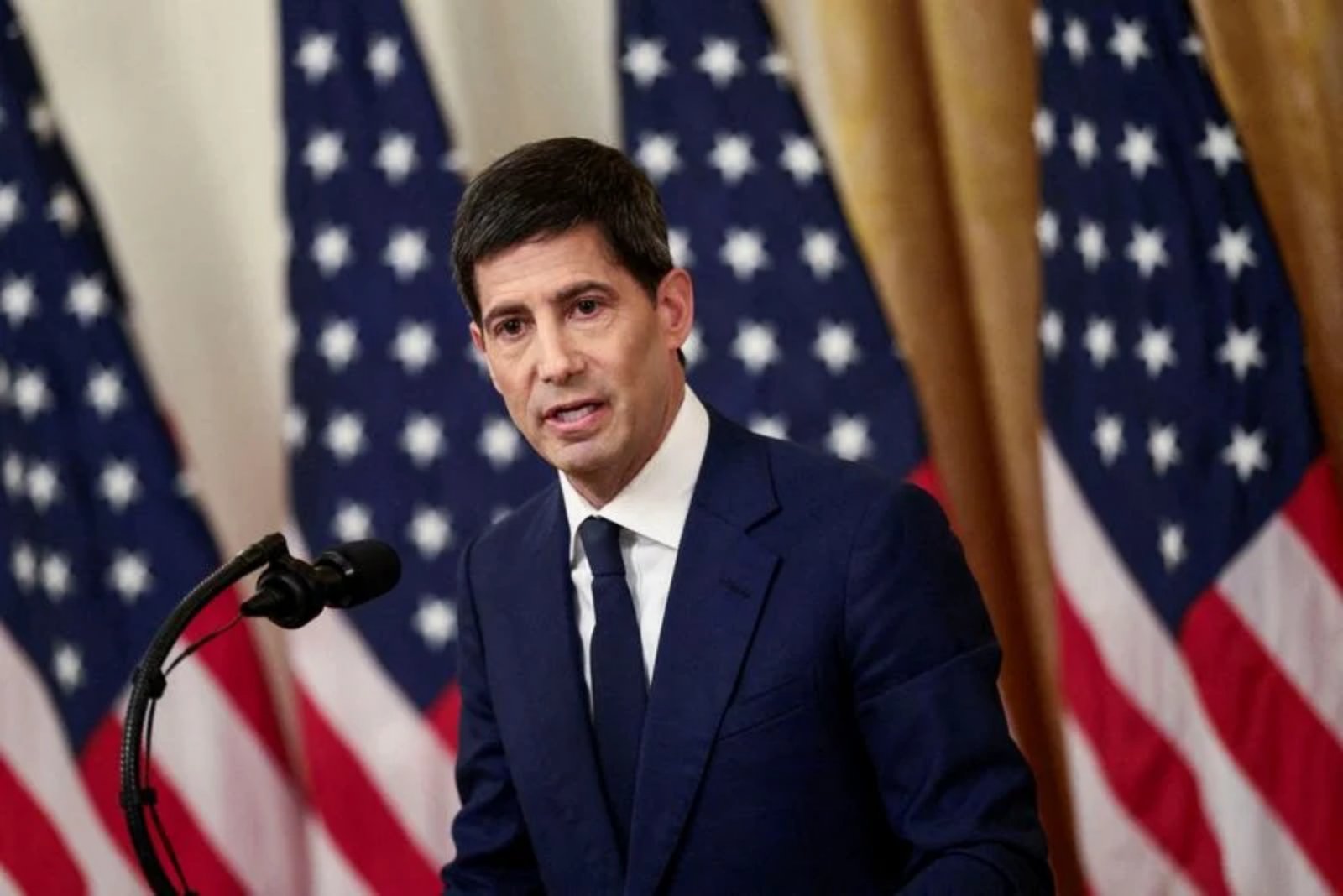
Kevin Warsh will chair his first Federal Reserve policy meeting this week. Markets have increasingly priced in the possibility that inflation remaining stubbornly high will push U.S. interest rates higher in the months ahead rather than lower. Although the Fed under Warsh and his colleagues is not expected to raise rates at this meeting, all attention will be on Wednesday’s policy statement and the chair’s press conference for any changes in tone, communication style, or operational ideas.
Officials will also publish their economic and interest rate projections alongside the statement. Traders and investors will be searching those projections for the degree of divergence in officials’ views and any clues on the path of policy.
Data released this week showed U.S. consumer inflation increased at its fastest pace in three years in May, a development the article links to a surge in energy prices driven by the Iran war. Despite that, President Donald Trump has again expressed a desire for lower interest rates.
2) G7 meeting in France - security and diplomacy at the top of the agenda
Leaders from the Group of Seven will meet in Evian-les-Bains, with the conflicts in the Middle East and Ukraine set to dominate discussions. President Donald Trump has suggested a peace deal with Iran could be struck in Europe over the weekend, and French hosts adjusted summit dates to accommodate his stated plans, including his birthday arrangements involving a proposed cage fighting event on the White House lawn.
French officials have set modest expectations for the summit, noting past disruptions such as Mr. Trump’s early departure from the 2025 meeting. Given the centrality of the Middle East, the invite list has been broadened to include Saudi Arabia, the United Arab Emirates, Qatar and Egypt. Ukraine’s President Volodymyr Zelenskiy will also attend as European leaders seek continued U.S. support for Kyiv.
Delegations will also touch on economic security, global imbalances and efforts to reduce dependence on China for critical minerals. The outlook for substantive, tangible outcomes from these discussions is modest, with officials signalling limited concrete deliverables.
3) The Bank of Japan’s anticipated move and its implications
The Bank of Japan is expected to announce a 25 basis point increase at its meeting on Tuesday that would raise its main interest rate to 1% - a level not seen since 1995. The move has been well signalled to markets, which reduces the likelihood of a sharp reaction in the currency. The yen, however, remains weak and is still considered to be in territory that normally triggers intervention after another challenging year.
Analysts quoted in the coverage argue that only a much quicker tightening cycle would meaningfully strengthen the yen - an unlikely prospect amid an extended Middle East war and the BOJ’s historically cautious approach to policy changes. The meeting will be notable for the absence of Governor Kazuo Ueda, who is hospitalised this week. This will be the first time a BOJ governor has missed a scheduled policy meeting since at least 1998.
Elsewhere in the region, the Reserve Bank of Australia will deliberate on Tuesday. After three rate hikes earlier this year, the RBA is widely expected to keep its policy rate on hold.
4) Political and market tensions in the United Kingdom
UK markets face a busy week. A June 18 by-election in Makerfield, on the outskirts of Manchester, could see Greater Manchester Mayor Andy Burnham return to Westminster. The contest has political implications: it could introduce a serious challenger to Prime Minister Keir Starmer as he manages discontent within his own party and high voter dissatisfaction over his handling of the economy.
Many market participants believe Burnham would favour a more expansive fiscal stance than the current prime minister, a prospect that matters in a context where the public finances leave little room for manoeuvre and borrowing costs are already very high. Investors will watch an auction of 10-year gilts on June 16 for a read on appetite for UK debt in a strained political environment.
All of this precedes the Bank of England’s policy meeting on June 18, where UK interest rates are expected to remain unchanged. A series of domestic data releases - including measures of inflation and consumer spending - will also arrive in the coming days and could influence market expectations.
5) Emerging markets under pressure - Indonesia and Brazil in focus
Asian energy importers have broadly suffered from the shock to the Strait of Hormuz, but Indonesia has been hit especially hard. That has put its central bank in the spotlight ahead of a Thursday policy decision. The rupiah has fallen to record lows amid a combination of policy uncertainty, governance concerns and fiscal slippage under President Prabowo Subianto, prompting capital outflows worth billions. In response, policymakers this week implemented a surprise 25 basis point rate increase and intervened heavily in foreign exchange markets. The coverage suggests another rate rise is likely to be a question of magnitude rather than whether it will happen.
In Latin America, Brazil’s central bank will meet on Wednesday. Market participants remain divided on whether the bank will continue lowering rates or pause the easing cycle as inflation pressures rise. The Selic rate was reduced in back-to-back 25 basis point cuts in March and April, bringing it to 14.5%, but the path forward is now less straightforward.
Market and policy calendar highlights
- Federal Reserve meeting with new Chair Kevin Warsh - Wednesday: policy statement, press conference, and publication of economic and interest rate projections.
- G7 summit in Evian-les-Bains - discussions on the Middle East, Ukraine, economic security and supply chain resilience.
- Bank of Japan meeting - Tuesday: expected 25 basis point hike to 1% and notable absence of Governor Kazuo Ueda due to hospitalisation.
- Reserve Bank of Australia meeting - Tuesday: widely expected to keep rates on hold after three hikes earlier this year.
- UK events - June 16 gilt auction, June 18 Makerfield by-election, and Bank of England meeting on June 18.
- Indonesia central bank - Thursday: another rate decision likely following a surprise 25 basis point rise and heavy FX intervention earlier in the week.
- Brazil central bank - Wednesday: market uncertainty over continuation of easing after March and April cuts to the Selic.
What investors and markets should watch
Markets will be sensitive to any shifts in central bank forward guidance, especially from the Fed and the BOJ, as well as to how policymakers characterise inflation risks amid ongoing geopolitical tensions. In emerging markets, currency resilience and the size of future rate adjustments will be closely monitored. Political developments in the UK could influence gilt yields and perceptions of fiscal policy, while the G7 summit’s limited ambition on deliverables suggests immediate market-moving outcomes are more likely to arise from central bank decisions than from diplomatic communiques.
Promotional note included in the coverage
The original coverage concludes with a commercial note encouraging investors to use data-driven investment tools. It emphasises that institutional-grade data combined with AI-driven insights can aid investment decisions, while noting such services do not guarantee winners.