
Overview
U.S. and Iranian parties have reportedly reached an agreement to end tit-for-tat strikes in the Strait of Hormuz, an arrangement intended to restore unfettered passage for vessels through the strategically important waterway. The reported accord follows a week of confrontations that risked undermining a prior ceasefire and the partial resumption of maritime activity off Iran's southern coast.
Current status and next steps
According to a U.S. official, Iran has not yet issued public confirmation of the reported deal. Negotiations are continuing to work out how a memorandum of understanding between the two sides would be implemented in practice. U.S. officials have offered to hold talks in Doha, with the meeting suggested to potentially occur as soon as Tuesday, though the precise arrangements remain unfinished.
Maritime context and recent incidents
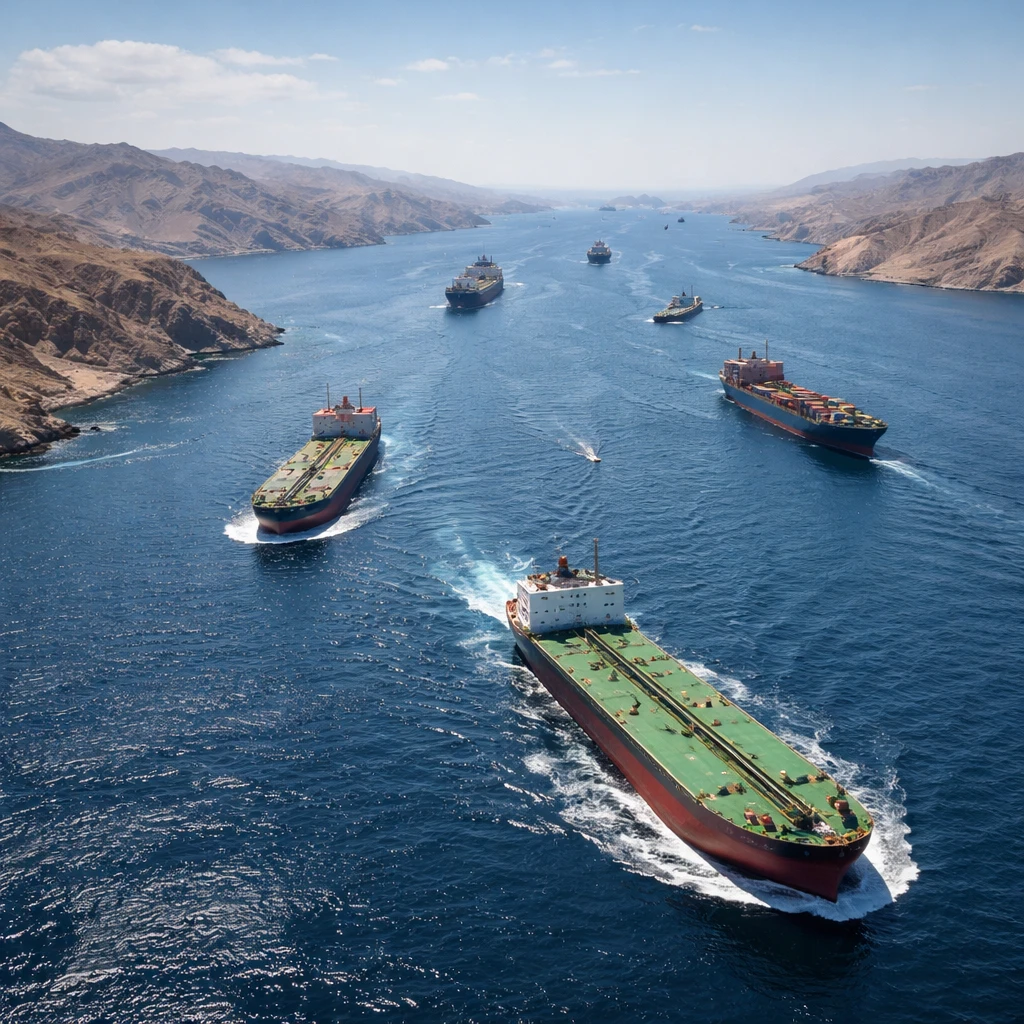
The reported pause in attacks would aim to calm renewed tensions in the Strait of Hormuz, a corridor that handles roughly one-fifth of the world's oil and liquefied natural gas. Skirmishes last week threatened to unravel a two-week-old ceasefire that had helped prompt some restoration of movement through the channel.
U.S. officials have attributed recent strikes on vessels in the strait to Iranian forces, while Iran has not acknowledged responsibility for those incidents. Since the outbreak of the broader regional conflict in late February, Iran has exercised strict control over maritime traffic in the area and has insisted that ships adhere to routes it designates.
Military exchanges
Separately, Iran's Islamic Revolutionary Guards Corps said it retaliated against American strikes by targeting a U.S. naval base in Bahrain and an air base in Kuwait. A U.S. official reported that Iranian drones and missiles involved in those exchanges were intercepted or shot down.
Implications for shipping and energy flows
If implemented, the cessation of reciprocal strikes could reduce the operational risk for vessels transiting the strait and ease short-term uncertainty for oil and LNG movements. However, the arrangement's effectiveness depends on the follow-through in negotiations and any subsequent confirmations from the parties involved.