
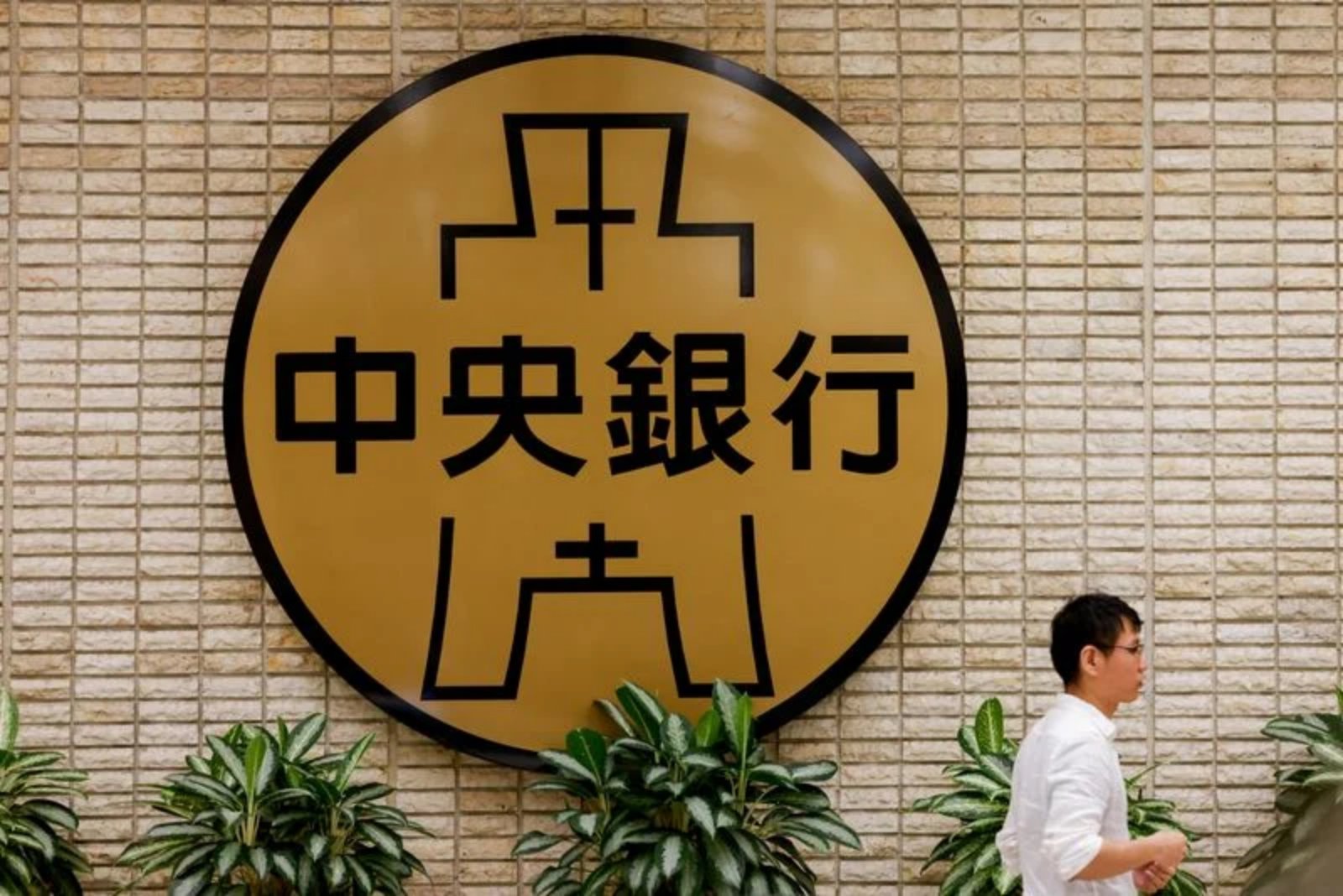
TAIPEI - Taiwan’s central bank is anticipated to maintain its benchmark discount rate at the current 2% level during its scheduled quarterly meeting this week. A consensus among economists polled by Reuters suggests that this monetary stance will persist well into 2027, supported by underlying economic resilience despite emerging price pressures.
In March, the central bank chose to hold rates steady as predicted, having previously implemented a 0.125 percentage point increase from 1.875% to 2% in March 2024. That initial hike was implemented in advance of projected rises in electricity costs.
Out of 30 economists surveyed regarding the upcoming Thursday meeting, 27 expect no change to the policy rate. Three respondents anticipate a modest increase to 2.125%. Broader forecasts indicate that policymakers are likely to maintain this steady trajectory through the fourth quarter of 2027.
Taiwan’s economy, which is heavily concentrated in technology and exports, has experienced significant growth fueled by the global expansion of artificial intelligence infrastructure. This demand has generated substantial order volumes for major semiconductor manufacturers, including TSMC, the world’s leading contract chipmaker. According to recent data released by the government’s statistics agency, the economy is projected to expand by 9.64% this year. This would represent the fastest growth rate in 16 years, following an 8.68% expansion in 2025.
Despite this robust growth, inflationary pressures have emerged. Consumer prices rose to 2.2% in May, marking the highest level in over a year. This increase places inflation above the central bank’s 2% warning threshold. The breach of this level introduces complexity into the monetary policy outlook.
Looking ahead, geopolitical factors could influence inflation trends. Lin Chi-chao, chief economist at Cathay United Bank, highlighted that sustained increases in fuel costs could arise if disruptions to the Strait of Hormuz persist due to ongoing conflict between Iran and the United States. Should fuel prices remain elevated, the central bank could face increased pressure to implement rate hikes in the second half of the year to manage inflation.
Lin noted that if the Strait of Hormuz remains blocked and does not return to pre-conflict traffic levels for an extended period, the tone of the press conference following the upcoming board meeting may adopt a more hawkish stance.
On Sunday, officials from the United States and Iran announced an agreement on a framework intended to end hostilities. This arrangement includes halting the U.S. blockade of Iran and reopening the Strait of Hormuz to normal commercial traffic. However, the market implications of this development remain to be seen in relation to actual fuel supply chains.
In conjunction with the policy decision announcement, the central bank is scheduled to release updated economic growth and inflation forecasts for the current year on Thursday. These revisions will provide further insight into how policymakers view the balance between sustained growth and price stability in the months ahead.