
Asian foreign exchange markets moved higher on Monday as an interim accord between the United States and Iran lifted risk sentiment and pushed the dollar lower. The Indian rupee was the strongest regional performer, while traders prepared for a week heavy with central bank decisions.
The US Dollar Index slipped 0.3% in Asian trade, marking a third consecutive session of decline and settling at a 10-day low.
Deal framework lifts market risk appetite
Officials in Washington and Tehran have agreed on a framework aimed at ending their conflict, lifting the U.S. blockade of Iran and reopening the Strait of Hormuz - a vital channel for global oil shipments. Both sides are due to meet in Switzerland on 19 June to formally sign the agreement.
The prospect of reduced geopolitical disruption to oil flows helped drive Brent crude futures almost 5% lower, a move that diminished inflation concerns tied to energy and lessened some of the dollar's appeal as a safe-haven asset.
"While it is certainly good news for the global economy and Asia that a deal has been announced, whether this sticks and remains viable depends among other things on the details of the negotiated terms, which are not out yet," MUFG analysts said in a note.
Currency moves across the region
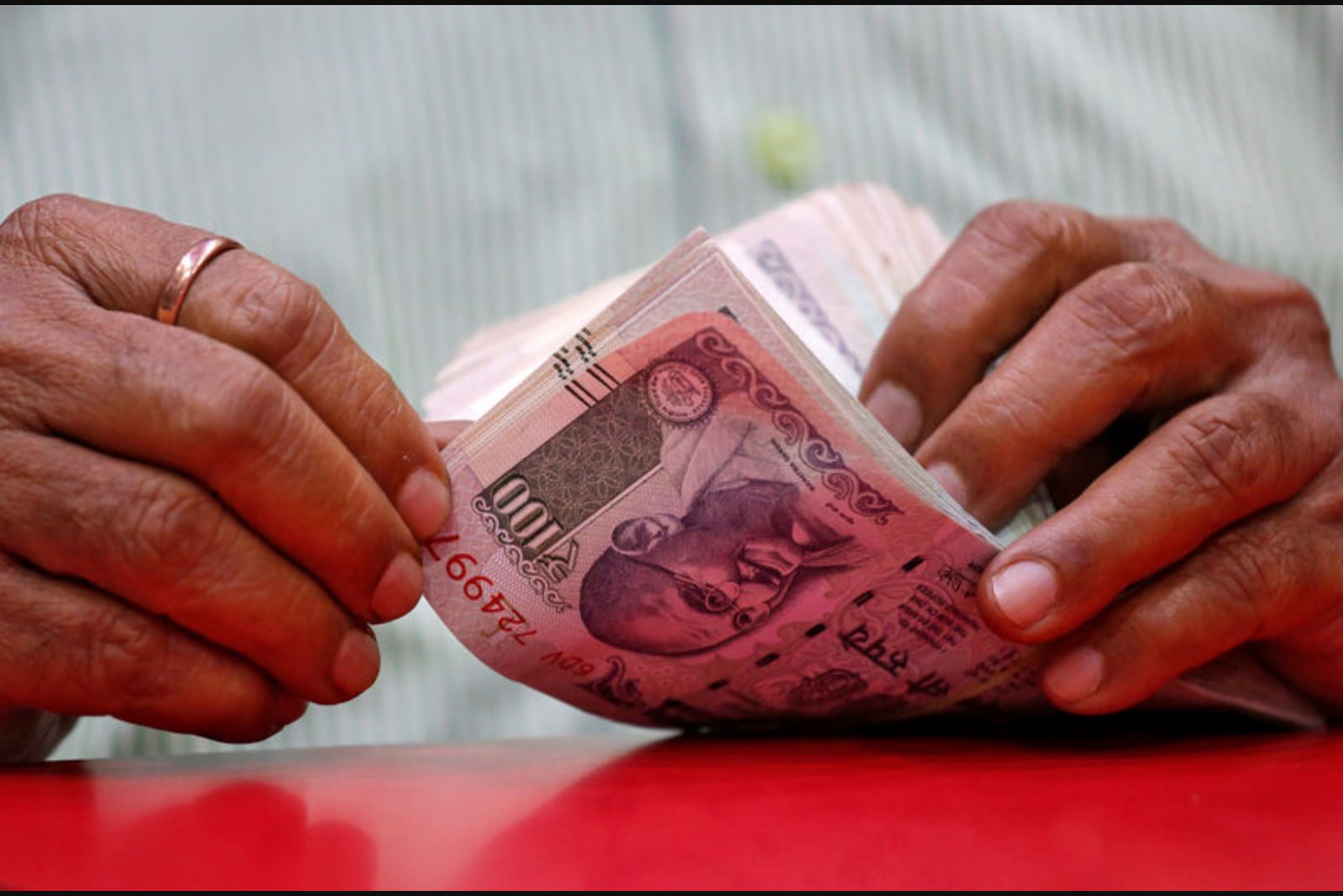
The Indian rupee led gains, with the USD/INR rate falling 0.5% to 94.59 rupees, its weakest dollar reading since early May. The pair had reached a record high of 97 rupees last month. Market commentary cited the likelihood of lower crude prices - a boon for oil-importing India - as a driver of expectations for renewed foreign portfolio inflows.
Other regional moves included a 0.4% decline in USD/KRW as the South Korean won strengthened, and a 0.2% fall in USD/SGD as the Singapore dollar edged lower versus the dollar. The Japanese yen and the onshore Chinese yuan each ticked 0.1% stronger against the dollar, while the Australian dollar climbed 0.5% against the greenback.
Central bank calendar dominates attention
Market focus now shifts to a busy policy calendar. The U.S. Federal Reserve is set to conclude its two-day meeting on June 17 and is widely expected to hold interest rates steady. Investors will closely watch updated economic projections and any guidance provided by Fed Chair Kevin Warsh.
The Bank of Japan is forecast to raise its policy rate to 1% on June 16, which would be the highest level in more than three decades if the expectation holds. Meanwhile, the Reserve Bank of Australia is expected to keep policy unchanged at its Tuesday meeting. The Bank of England and the Swiss National Bank are also scheduled to announce policy decisions later in the week.
Several emerging Asian central banks will report their decisions this week as well, with Indonesia, Taiwan and the Philippines all on the agenda.
Implications for markets
The combination of an interim U.S.-Iran agreement and sharply lower crude futures reduced some near-term risk premia for energy and currency markets in Asia. That shift in sentiment has benefited a range of Asian currencies against the dollar, while positioning ahead of major central bank announcements adds an additional layer of volatility risk for fixed income and FX markets through the week.