
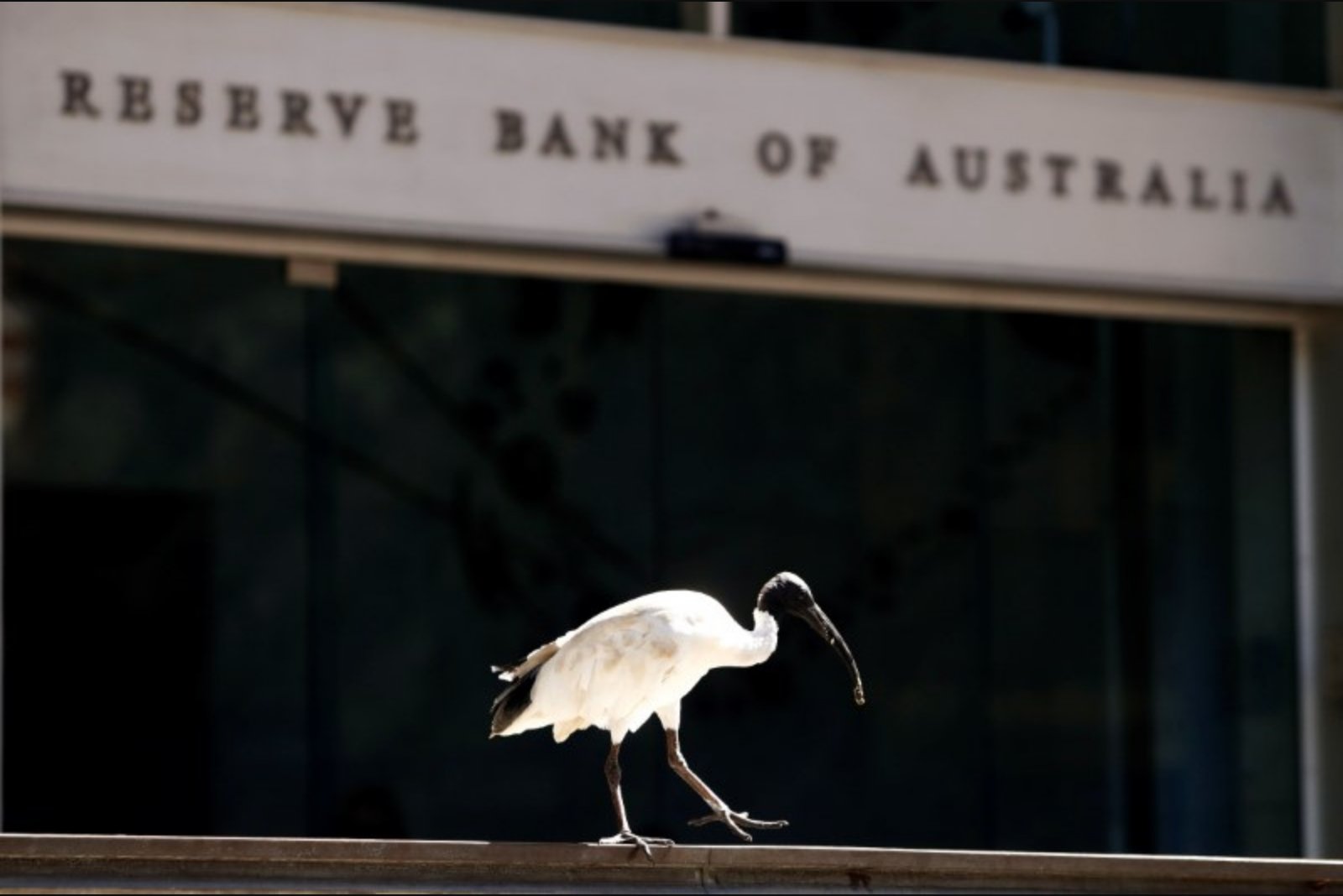
The Reserve Bank of Australia's recent policy deliberations highlight a central bank navigating complex geopolitical headwinds and shifting macroeconomic indicators. According to minutes from the May board meeting, the decision-making process focused on whether to hold rates steady or raise them by 25 basis points to a level of 4.35%. This potential adjustment would represent a full reversal of the monetary easing measures seen throughout 2025.
The consensus among the board was heavily weighted toward tightening, with eight members advocating for the hike. These officials expressed concerns that a cash rate of 4.1% might not be sufficient to mitigate inflation risks, particularly as the conflict in the Middle East persists. The RBA noted that while uncertainty remains, financial conditions are expected to remain somewhat restrictive following this decision, allowing the board to monitor how the regional conflict affects the economic behavior of households and businesses.
Key Economic Observations
The RBA's assessment provides several critical insights into the current trajectory of the Australian economy:
- Restrictive Monetary Policy: The board views recent interest rate hikes as having moved policy into a restrictive stance, intended to temper economic pressures.
- Inflationary Pressures vs. Growth: While inflation is expected to trend higher, there is an acknowledgment that output growth is likely to remain below potential levels for some time.
- Geopolitical Influence on Policy: The board is specifically watching the Middle East conflict to determine its impact on domestic economic stability.
These factors primarily impact the financial services sector, as interest rate trajectories dictate lending margins, and the consumer sector, as households adjust to higher borrowing costs amidst geopolitical uncertainty.
Risks and Uncertainties
Several variables remain central to the RBA's future decision-making framework:
- Geopolitical Volatility: The ongoing conflict in the Middle East presents a significant risk. While Brent crude futures hovered around $110 a barrel following news that President Donald Trump paused a planned attack against Iran to facilitate negotiations, the RBA's baseline forecasts rely on the reopening of the Strait of Hormuz, an event that appears distant.
- Inflation Anchoring: There is a debate regarding long-term inflation expectations. One dissenting member argued that there was insufficient evidence to suggest inflation expectations were becoming less anchored and noted that prolonged conflict might actually weigh more heavily on demand.
- Market Expectations: Markets are currently pricing in a 75% chance of another rate hike in August, with forecasts suggesting rates could peak at 4.60% or potentially reach 4.85%.
These risks pose direct threats to commodity markets (specifically energy) and the housing market through shifting interest rate expectations. Furthermore, the board is developing additional monetary policy tools to ensure readiness should interest rates descend to very low levels in the future.