
Kenya has formally requested swift financial assistance from the World Bank to manage economic shocks stemming from the outbreak of war in Iran, the country's central bank governor said on the sidelines of the IMF-World Bank spring meetings.
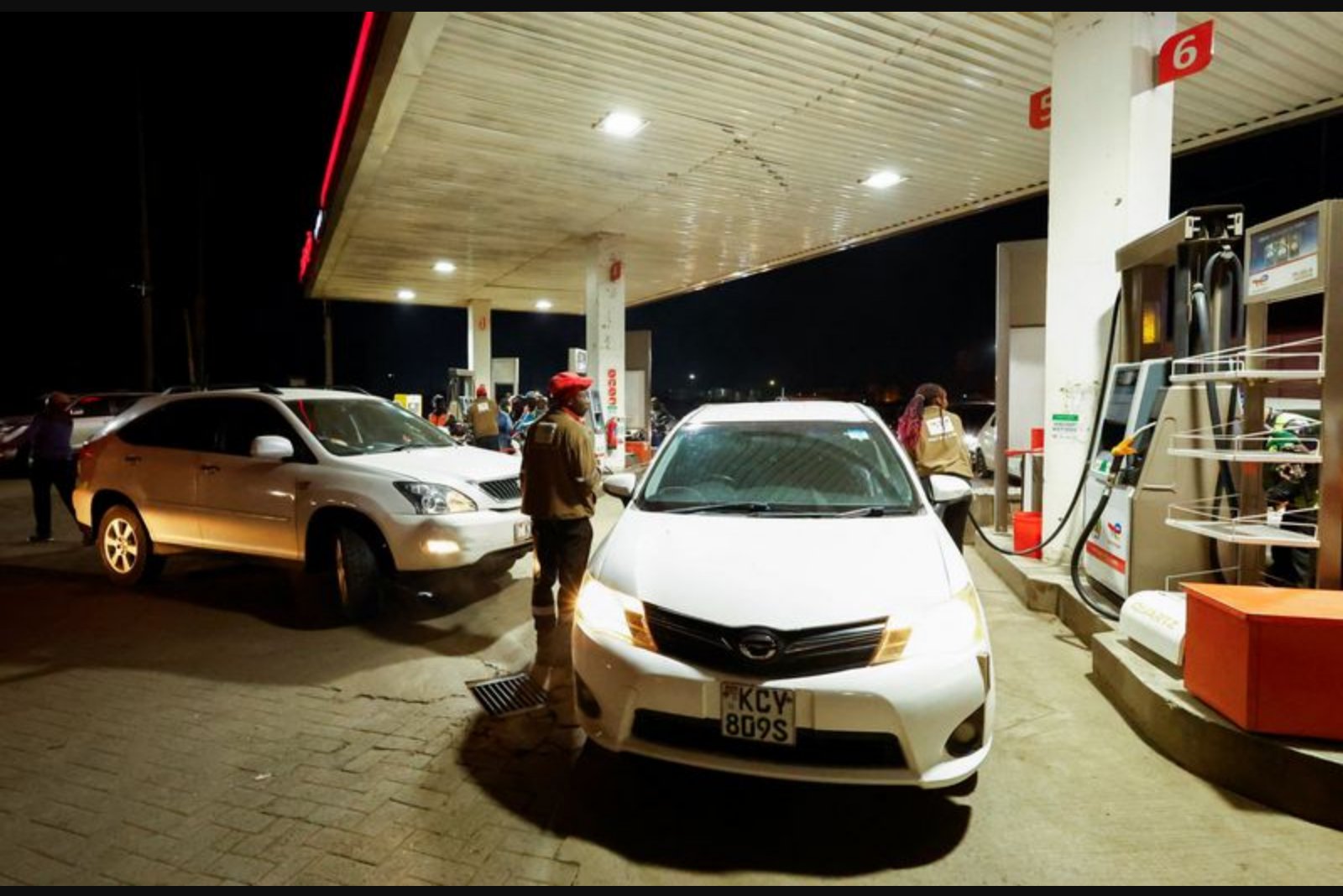
Officials in Nairobi said the demand for rapid cash aims to help the economy mitigate immediate disruptions. Like many nations that rely heavily on imported energy, Kenya is racing to prevent shortages of essential goods, including petrol, while confronting cost increases that could feed into higher inflation.
The central bank governor described the requested rapid support as "significant," but did not provide a specific dollar amount. He indicated that the request is additional to a budgetary support loan, referred to by the World Bank as development policy operations, which Kenya and the Bank had been discussing prior to the outbreak of the crisis.
Development policy operations are loans intended to support government budgets and policy reform programs. Separate from that instrument, the World Bank uses the term Rapid Response Support to describe its fast-disbursing financial windows and policy assistance designed to help countries respond quickly to shocks or crises.
Kenya's request underscores how sudden geopolitical events that affect energy markets can have swift domestic consequences for countries that import fuel and other essentials. Government officials and central bankers are focusing on both securing immediate supplies and limiting the near-term cost pressures that could push consumer price inflation higher.
At the same time, the pursuit of rapid financial backing highlights the interaction between short-term liquidity needs and ongoing budgetary support discussions. The additional request for fast-disbursing funds would sit alongside the longer-established development policy operations that were already in negotiation before the conflict began.
Details on the timing, size, or terms of the requested rapid support were not disclosed. The central bank's comments confined themselves to the purpose of the request - cushioning the economy from immediate commodity shortages and related price pressures - without offering further specifics.
Clear summary
Kenya has sought significant, rapid financial assistance from the World Bank to manage supply shortages and rising costs after the war in Iran, in addition to an existing budgetary loan under discussion. The request is intended to stabilize immediate commodity availability and limit upward pressure on inflation.