
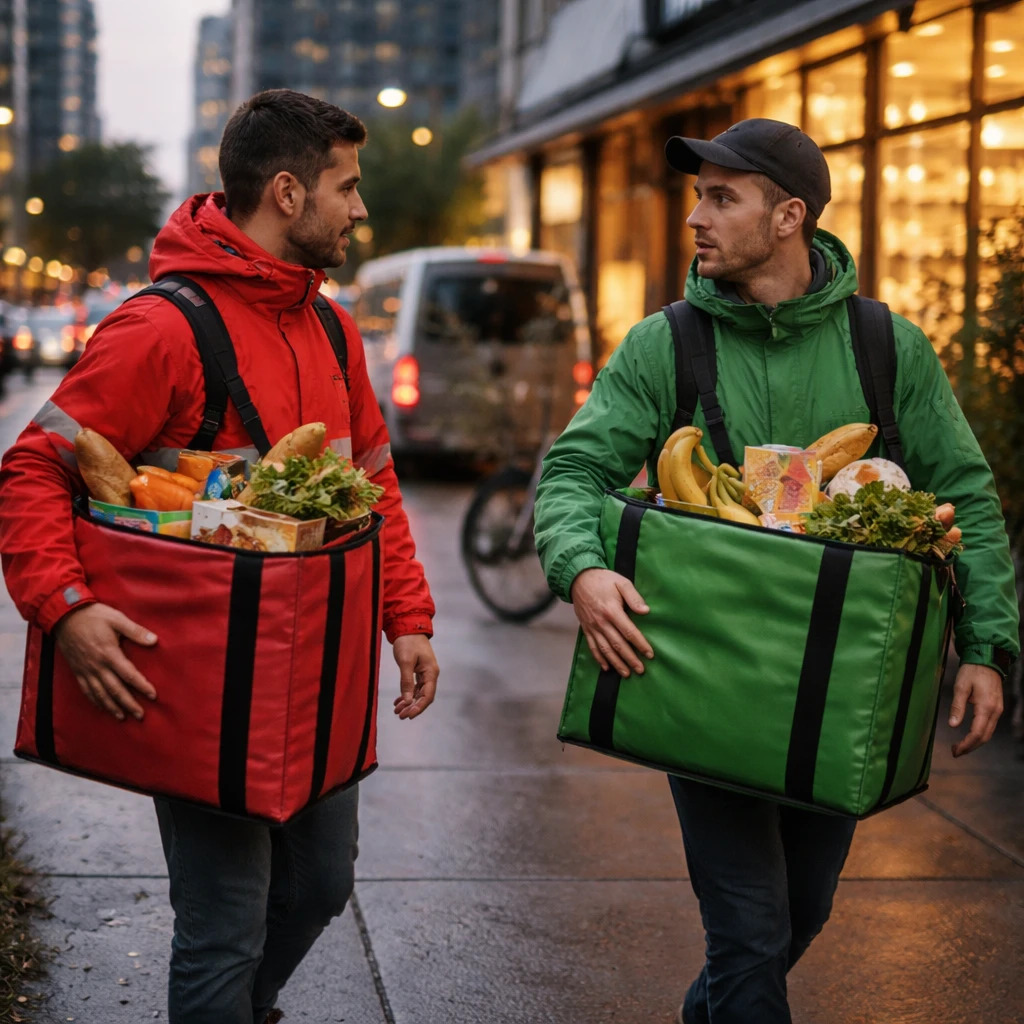
DoorDash said on Thursday that it will acquire U.S. grocery delivery rival Instacart in a transaction valued at about $17 billion. The move comes as consolidation in the delivery sector accelerates, with competition intensifying amid cautious consumer spending, slower growth since the pandemic peak, and rising regulatory and labor-related expenses.
In July, Uber agreed to buy Germany's Delivery Hero in a transaction described as creating the largest food-delivery group outside China. The latest agreement between DoorDash and Instacart illustrates how large players are using acquisitions to consolidate market positions and pursue scale advantages.
Deals announced since 2020
- 2026 - DoorDash - Instacart - $17 billion
- 2026 - Uber - Delivery Hero - $14.8 billion
- 2025 - DoorDash - Deliveroo - $3.85 billion
- 2025 - Prosus - Just Eat Takeaway.com - $4.3 billion
- 2025 - Wonder - Grubhub - $650 million including debt
- 2022 - DoorDash - Wolt - $3.5 billion
- 2021 - Just Eat Takeaway - Grubhub - $7.3 billion
- 2020 - Uber - Postmates - $2.65 billion
These transactions reflect a sustained period of deal activity in which major delivery platforms have sought acquisitions to expand geographic reach, deepen grocery and restaurant delivery capabilities, and pursue cost synergies. Observers point to slower organic growth following the pandemic-era surge in demand, together with growing expenses tied to regulation and labor, as principal factors prompting consolidation.
The recent buyouts span several years and multiple buyers, indicating that consolidation is not isolated to one company or market. The pattern includes repeated activity by DoorDash and other major players as they reposition to compete across segmented delivery categories.
Market context
The industry backdrop described around these deals emphasizes three interrelated pressures: heightened competition among delivery platforms, more cautious consumer spending patterns compared with the pandemic boom period, and increasing regulatory and labor-related costs. Collectively, these forces are shaping strategic decisions by leading delivery companies and their investors.
While acquisition values and targets vary, the thread running through the announced transactions is scale-seeking consolidation as firms aim to manage costs and improve competitive positioning in a complex operating environment.