
Japan's ruling party plans to propose stepped-up enforcement against suspected breaches of shareholder disclosure regulations by activist investors, and to provide the country’s securities watchdog with more resources to pursue suspected violations, a senior lawmaker said.
The proposals come as activist campaigns have become more prominent in Japan, where hedge funds and other activist shareholders have pressed listed companies to boost returns, unwind cross-shareholdings and tighten corporate governance. The lawmaker leading the Liberal Democratic Party's review group said the presence of activists has delivered benefits but also raised concerns about rule compliance and short-term pressure on corporate investment.
Scope and rationale
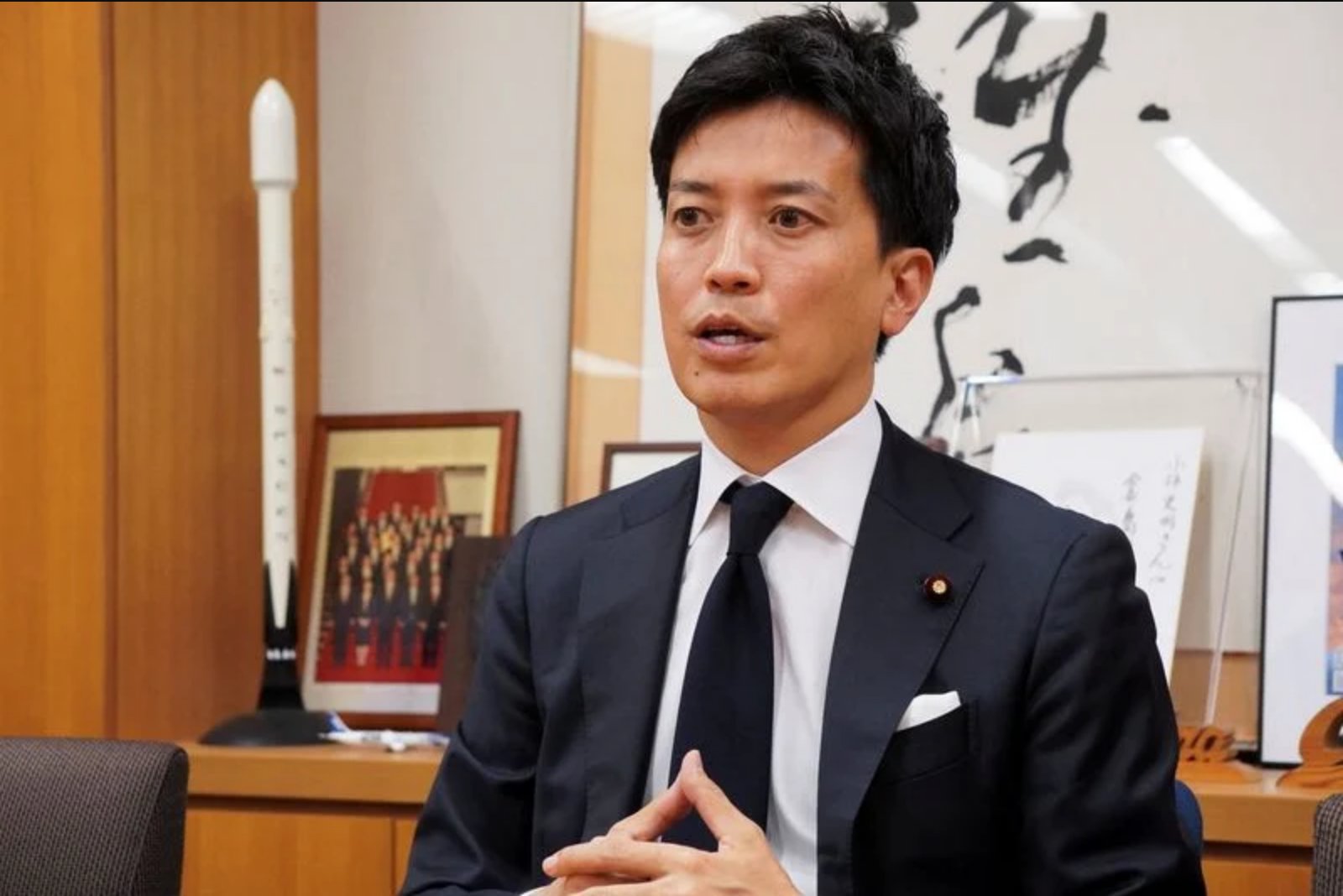
Fumiaki Kobayashi, who heads an LDP panel examining corporate governance, said activists have introduced a "healthy tension" into management practices and have helped drive positive changes. At the same time, he warned there are instances in which short-term demands from some activist shareholders could discourage investment in growth, and there are worries that some actors may be ignoring disclosure rules.
Kobayashi did not identify any specific activist investors as having broken disclosure requirements. He highlighted recent revisions to disclosure rules that clarified the definition of deemed joint holdings - changes intended to address concerns about so-called wolfpack activity, in which investors may coordinate their actions while avoiding disclosure obligations.
Enforcement and resources
The lawmaker said the challenge is ensuring those rules are effectively enforced. To that end, he urged that the Securities and Exchange Surveillance Commission be equipped to investigate suspected breaches, calling for additional personnel and broader use of digital investigative tools.
On the question of coordination between activist funds and private equity firms in takeover situations, Kobayashi said that any agreement with a private equity firm involving a future transfer of shares should be disclosed in shareholding filings. He stated that if such arrangements are not disclosed, they should prompt stricter regulatory enforcement.
Shareholder proposal framework
Kobayashi's group is due to finalise its package of proposals later this month. Among the measures likely to be recommended is a review of the framework governing shareholder proposals. That could include tighter eligibility requirements for submitting proposals and the introduction of a statutory mechanism permitting shareholders to place a non-binding advisory resolution on the agenda at general meetings.
Those recommendations reflect wider concerns within the LDP about corporate behaviour. While corporate profits and shareholder returns have risen markedly in recent years, the party is worried that investment in areas such as capital expenditure, research and development, and human resources has not kept pace.
Recent activism and political response
Japanese companies experienced a record number of activist proposals at this year's general shareholders meetings. One notable instance this year involved a call by Hong Kong-based Oasis Management for a vote against the leadership of publisher and gaming company Kadokawa.
Kobayashi rejected characterisations of the group's work as anti-activist. He framed the proposals as an effort to put in place rules that are comparable to global standards, to strengthen enforcement against rule violations, and to help companies more clearly explain long-term growth strategies to shareholders.
What happens next
The LDP group will complete its deliberations later this month, after which the party may present its recommendations for legislative or regulatory changes aimed at tightening disclosure compliance and refining the shareholder proposal process.