
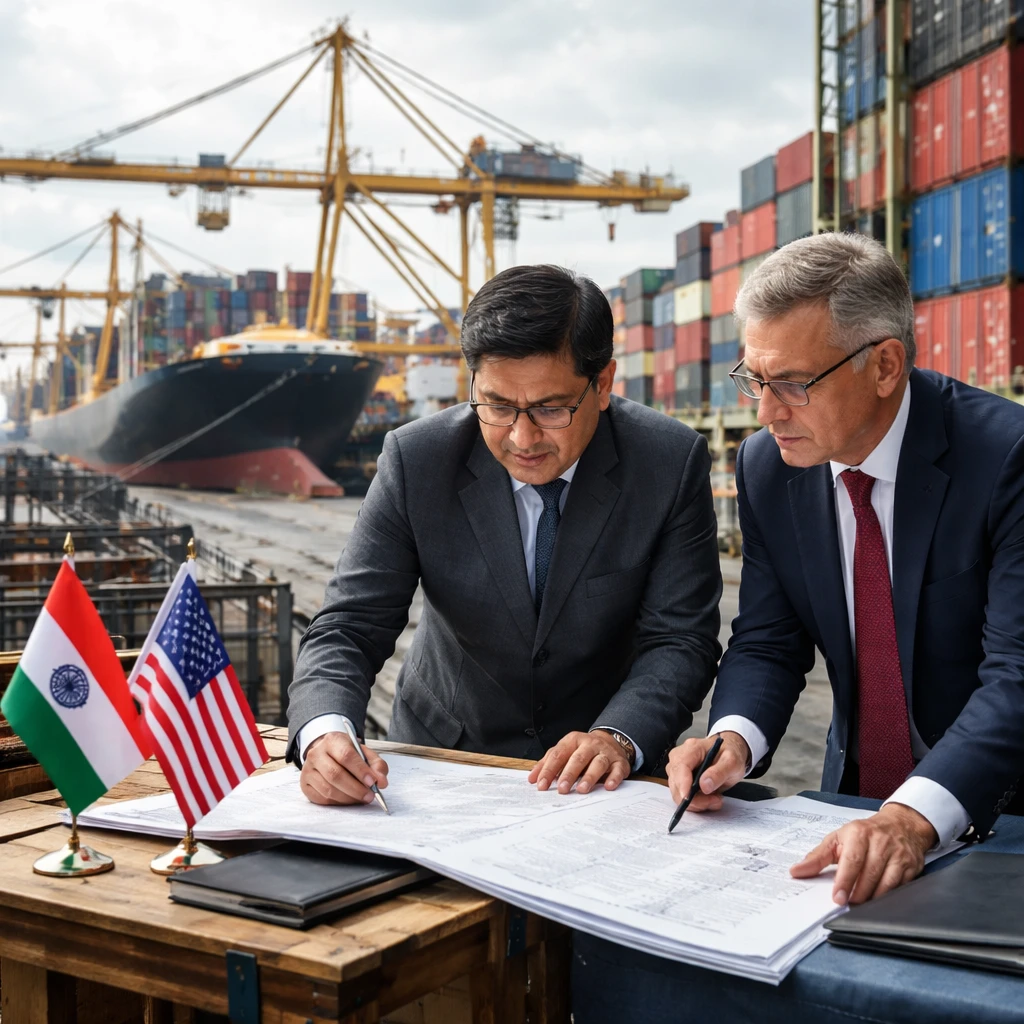
India has made clear it will not put a negotiated trade agreement with the United States into effect until it wins what it considers a competitive tariff advantage, Commerce and Industry Minister Piyush Goyal said, according to a report in Bloomberg.
Goyal told reporters that the central outstanding matter is duties - New Delhi wants its tariff levels to be lower than those applied by rival exporting countries. "The issue currently pending is that our duties need to be lower compared to those of competing nations," he said. He added: "Once this is settled, the trade agreement will be implemented."
The remarks underline that, despite both governments agreeing on an initial framework for the pact and publicly expressing optimism about its eventual completion, key elements remain unsettled.
Goyal also noted that the framework for the proposed agreement had been finalized before a ruling by the U.S. Supreme Court in February that found former President Donald Trump’s previous tariff policy unlawful. The timing of that decision did not, according to the minister, alter the agreed structure of the pact.
The comments followed a recent meeting between Indian Prime Minister Narendra Modi and U.S. President Donald Trump on the sidelines of the Group of Seven summit in France, where the two leaders struck an upbeat tone about trade talks. At that meeting, President Trump said Washington and New Delhi were "very close" to an agreement.
Despite those positive signals, negotiators have continued to haggle over details longer than some had expected. Discussions have been complicated by disagreements not only on tariff levels but also on market access and the extent of protections for politically sensitive industries.
In addition to seeking lower duties, India has pushed for safeguards to protect it from potential future U.S. trade investigations and tariff actions. Those protections remain part of the broader negotiation agenda and have yet to be resolved.
Supporters of the pact see it as a significant step toward strengthening economic ties between the two democracies, with potential to diversify supply chains and expand bilateral trade flows. For now, however, officials on both sides appear focused on ironing out the outstanding tariff differences before the agreement can move into an implementation phase.
Context and next steps
- Both governments have endorsed a framework for the deal, but implementation is contingent on settling tariff disparities.
- Negotiations remain active, with tariff levels, market access and protections for sensitive industries still under discussion.
- India is also seeking assurances against future punitive trade measures as part of the final package.