
U.S. political rhetoric and Cuban reticence have pushed GAESA - Grupo de Administración Empresarial - into the spotlight as an explanation offered by some for the island’s acute economic distress. The conglomerate, run by military leadership and created in the 1990s under then defense minister Raúl Castro, is widely described as one of the most profitable and efficient corporate umbrellas on the island.
Public statements from U.S. officials have been pointed and repetitive. U.S. Secretary of State Marco Rubio has directly blamed GAESA for the country’s hardships, saying in a video message in Spanish addressed to the Cuban people that "Cuba is controlled by GAESA" and calling it a "state within the state" responsible to no one that "hoards the profits from its businesses for the benefit of a small elite." Rubio cited GAESA repeatedly in that five-minute address, mentioning it eight times.
GAESA’s portfolio, as described by public accounts, reaches into many of the sectors most visible to both tourists and ordinary Cubans. The conglomerate is said to run many five-star hotels, to control the island’s largest port at Mariel, and to oversee the country’s top commercial bank. Its footprint is also reported to include a widespread network of supermarkets, gas stations and businesses handling remittances.
The group has been led by figures closely connected to Cuba’s leadership. Luis Alberto Rodríguez López-Calleja, who was Raúl Castro’s former son-in-law, served as GAESA’s head until his death in 2022. He was succeeded by Brigadier General Ania Guillermina Lastres, who was designated by U.S. sanctions earlier this month by the administration of President Donald Trump.
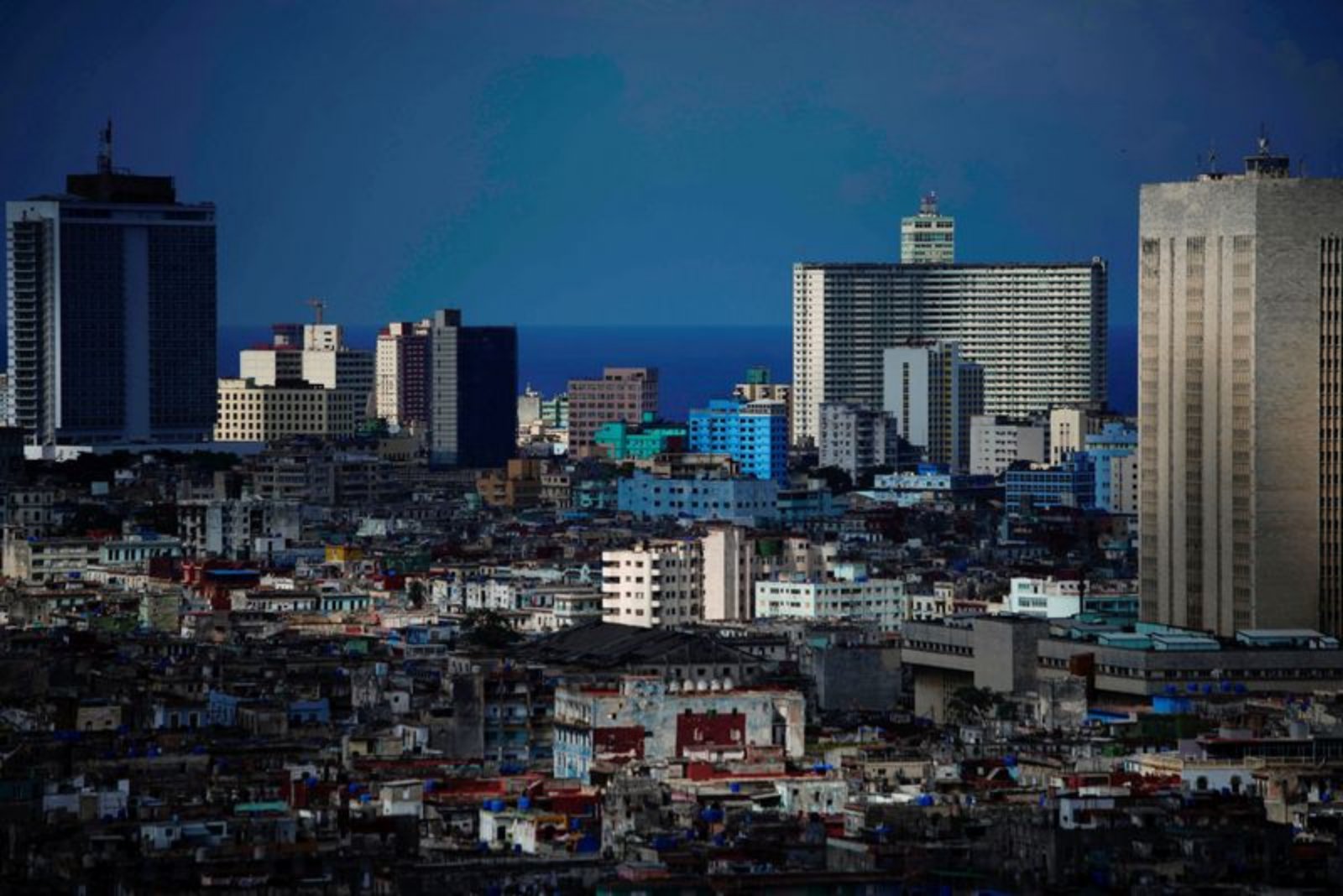
One conspicuous symbol linked to GAESA’s influence is the so-called Torre K, a 42-story building that hosts the five-star Iberostar Selection La Habana hotel. Described as the tallest structure on the island, the tower’s construction was completed in 2025, at a time when tourism on the island was struggling. The tower and the hotel are reported to be idle and empty.
The United States has accused GAESA of diverting the proceeds of valuable industries away from public needs. Rubio said, "The real reason you don’t have electricity, fuel, or food is because those who control your country have plundered billions of dollars, but nothing has been used to help the people." U.S. policy responses have included sanctions on GAESA-linked businesses that bar U.S. tourism to hotels owned by the conglomerate.
Cuba’s official stance on GAESA is limited and guarded. The government has denied that GAESA’s enrichment or alleged corruption is the cause of the current crisis, and it points to assertions from United Nations experts that a fuel blockade attributed to the Trump administration has produced "energy starvation" with serious consequences for human rights and development. Beyond that, officials and state outlets have provided little detail about the conglomerate.
An examination of the main Communist Party newspaper’s online archive reveals scant public documentation. An online search of Granma turned up only seven instances of the term "GAESA" across a 20-year span; those references are described as sparse and lacking substantive information. GAESA’s accounts do not appear in the national budget managed by Cuba’s communist administration, and few officials discuss the group openly.
Public comments from some officials over the years have defended the secrecy around GAESA as a necessity for operating strategic businesses that generate foreign exchange while the island faces heavy U.S. sanctions. In 2024, Gladys Bejerano, then Cuba’s comptroller general and top auditor, told Spanish news agency EFE that GAESA was not under her supervision and said the military-led group had "superior discipline and organization."
Quantifying GAESA’s economic sway is difficult because of the lack of public data. External estimates cited in public discourse range widely, putting GAESA’s control of the Cuban economy somewhere between 40% and 70%. Rubio has offered figures of his own, saying GAESA’s revenues were three times greater than Cuba’s current budget and asserting that the group controlled 70% of the economy with assets of $18 billion.
Those numbers have been disputed. Cuba’s embassy in the United Kingdom pushed back on a Miami Herald figure that cited the $18 billion estimate, saying the report had inflated GAESA’s wealth by a factor of 24. The embassy argued that "basic accounting dismantles this 'bombshell,'" and criticized what it called a political motive to conjure a secret $18 billion hoard as a pretext for tightening sanctions that, the embassy said, harm the Cuban population.
What is clear from public information is that GAESA is a large, opaque, military-led conglomerate that operates across the sectors central to Cuba’s international revenue and everyday commerce. The dispute over its finances and role in the crisis highlights a broader lack of transparency and competing narratives between U.S. officials and Cuban authorities.
Both the economic reach attributed to GAESA and the lack of verifiable public accounts contribute to a contentious policy debate in which sanctions, alleged revenue diversion and the effects of external trade and financial restrictions are all invoked as explanations for Cuba’s economic distress. For analysts and markets, the ambiguity around GAESA’s structure and wealth complicates assessments of how sanctions and actions aimed at the conglomerate will affect tourism, banking, ports, retail and remittance flows.