
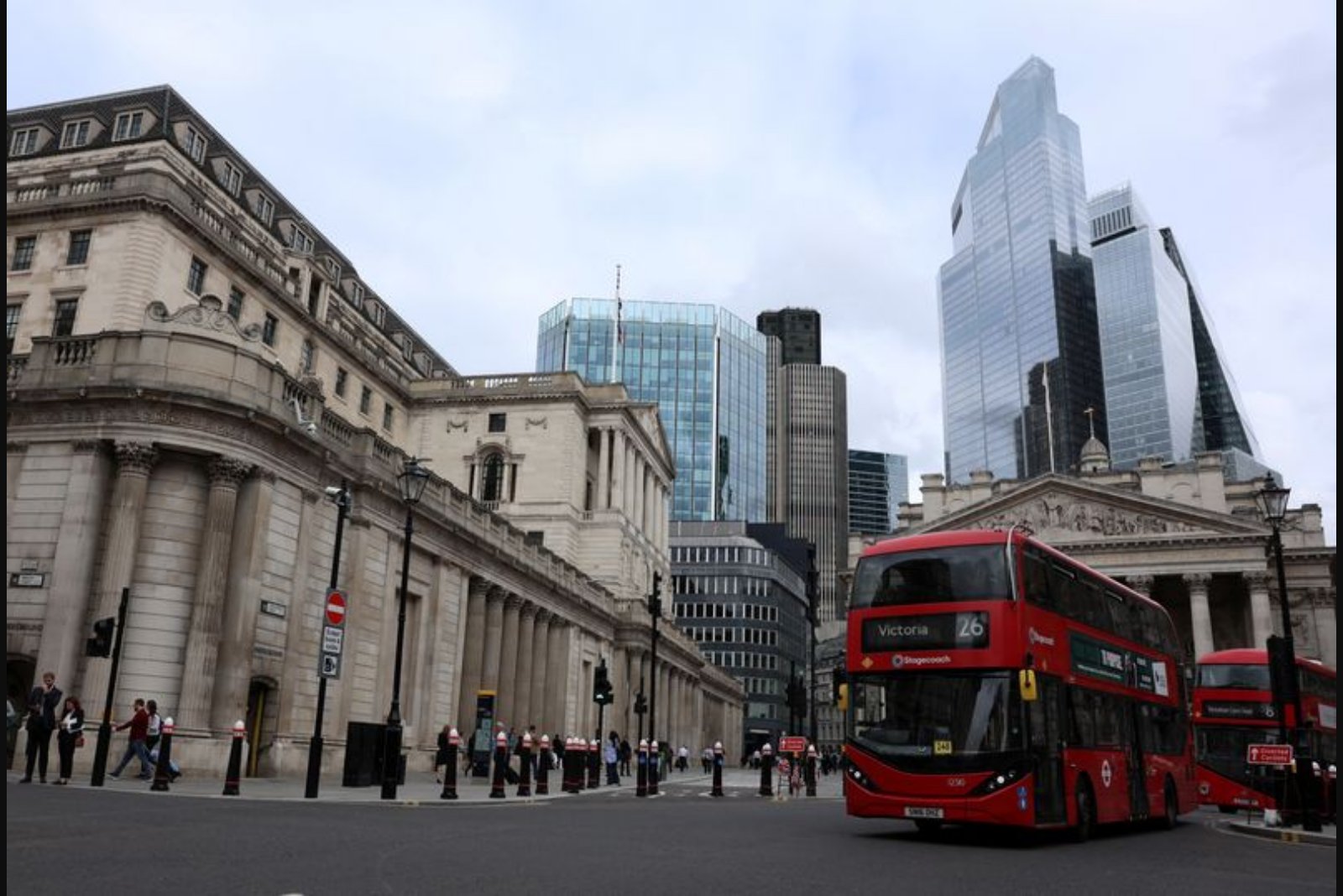
Bank of England policymaker Alan Taylor said on Thursday he saw a smaller chance of so-called second-round inflation effects from higher energy costs linked to the Iran war than he did following Russia's full-scale invasion of Ukraine in 2022.
Speaking at an event organised by news provider MNI, Taylor said: "Economic conditions are such right now that second-round effects are less likely to materialise than they did in 2022 but it’s an uncertain situation."
He added that, while he judged the current risk of inflation persistence to be lower, the BoE could still need to raise interest rates in the worst of the central bank's three scenarios for how sharply rising energy prices might affect the UK economy.
Taylor has previously been among the strongest advocates on the Monetary Policy Committee for cutting interest rates before the outbreak of the Iran war. In April he joined the majority of the MPC in an 8-1 vote to leave rates unchanged, citing a need for clearer evidence on the extent of the economic damage from the conflict.
On Thursday Taylor pointed to tightening in markets as a source of higher borrowing costs that already represents a restrictive influence on financial conditions. That observation echoed comments made on Wednesday by BoE Governor Andrew Bailey, who said the central bank had time to gauge the effects of the energy price shock.
Taylor said: "We think at the moment, in particular with the tightening of financial conditions, there is enough restrictiveness in the system to keep a lid on inflationary pressures sufficiently for now."
Financial markets are pricing in two quarter-point increases in interest rates by the BoE by the end of the year.
Looking ahead, Taylor said company-level information on price-setting will be particularly important to watch in the months ahead. He noted that any impact of the Iran war on wage demands was likely to surface more slowly than shifts in corporate pricing.
Summary of stance and near-term focus:
- Taylor assesses a lower chance of energy-driven second-round inflation than in 2022 but refrains from ruling out further tightening.
- Market-driven increases in borrowing costs are already contributing to a restrictive environment, according to Taylor.
- Price reports from companies will be key indicators to monitor; wage fallout may lag.