
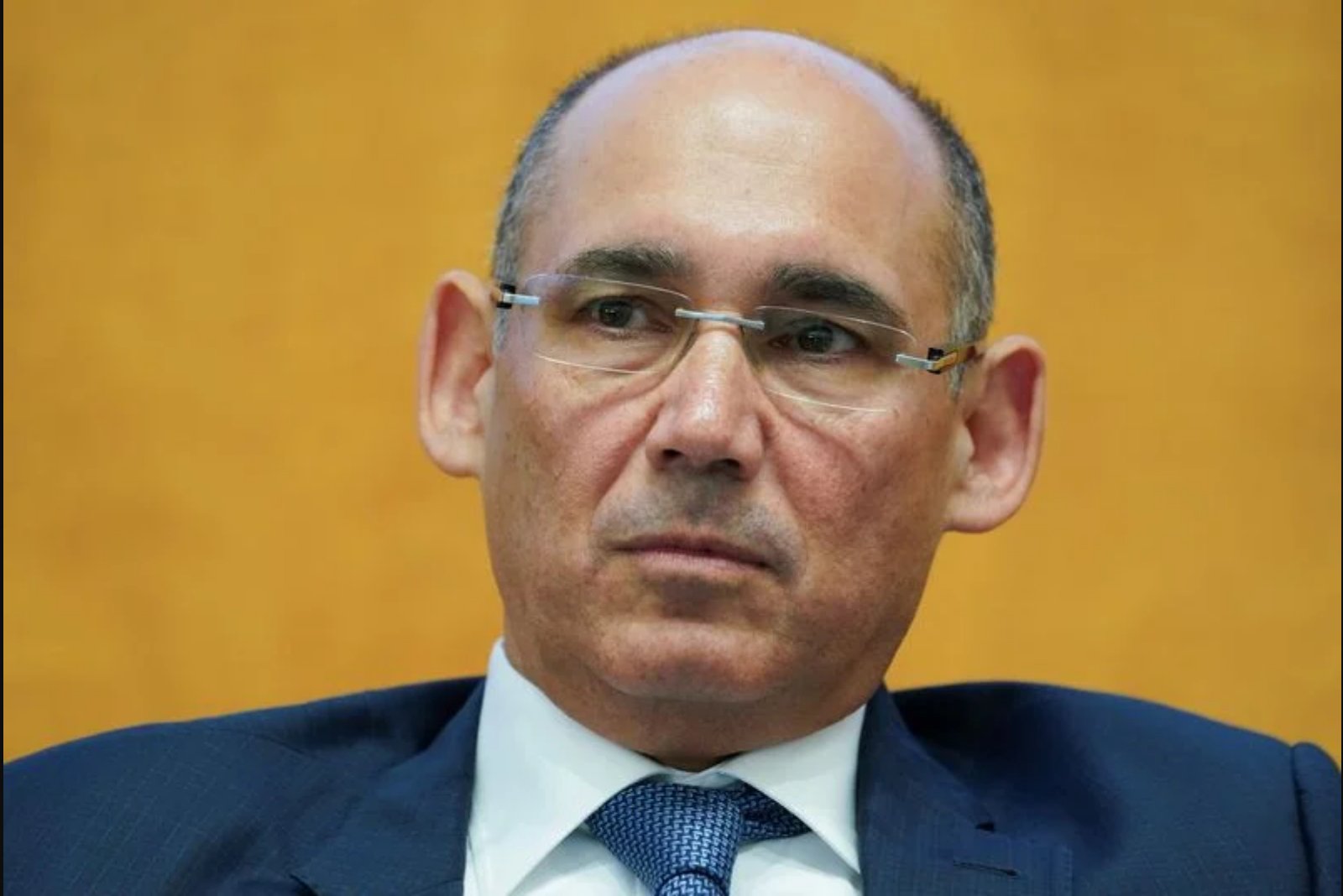
Bank of Israel Governor Amir Yaron warned on Wednesday that Israel's next government must take steps to halt a growing public debt burden and reallocate spending toward long-term growth priorities. Speaking at a Calcalist newspaper conference in Jerusalem, Yaron said fiscal policy would be the foremost challenge for the administration that takes office after the general election slated for October 27.
Yaron highlighted three interlinked fiscal priorities. "First of all our debt must not continue to increase. Currently, we are on a path of rising debt," he said, noting that the debt-to-GDP ratio had climbed to 70% from around 60% in 2023. Second, he pointed to the enlargement of the defence budget - which he said has grown to as much as 8% of gross domestic product, about double its size before the Hamas attacks on October 7, 2023. Third, he urged increased investment in growth engines such as education and infrastructure.
The governor also called for better labour market integration of population groups including ultra-Orthodox Jews. With defence spending expected to remain elevated in light of ongoing regional security threats, Yaron advocated tax increases as a realistic tool to help keep the public debt under control. "Realistically, we will likely have a higher budget than before October 7," he said.
On monetary policy, Yaron pointed to recent signs of easing inflationary pressures related to the Gaza and Iran conflicts. The Bank of Israel reduced its benchmark interest rate by 25 basis points last week to 3.5%, marking its second straight cut. He said that provided Israel does not return to war and inflation remains stable, short-term interest rates would likely continue to fall. At the same time, he cautioned that monetary policy must remain vigilant because of price pressures in areas such as wages and housing rents.
The central bank has said it expects the key rate to reach 3% by next June. Yaron further noted that, while Israel's economy has demonstrated resilience, negative global sentiment toward the country has the effect of a tax on trade and could produce longer-term consequences that should factor into policy decisions.
Yaron's remarks underscore the fiscal policy trade-offs confronting the next administration: containing a rising debt ratio, managing an enlarged defence budget, and channeling resources into public investments that support growth. His emphasis on tax measures to stabilise debt reflects the expectation of a structurally larger budgetary baseline following October 7, 2023. At the same time, the central bank's recent policy easing signals conditional scope for lower short-term rates should external security and inflation conditions remain benign.
Policymakers will need to weigh competing demands on public resources while monitoring inflation dynamics in wages and housing rents, and the potential impact of sustained negative global sentiment on trade flows.