
Brazilian trade and industry officials are preparing for a sizeable U.S. tariff action after months of talks that failed to bridge key differences, according to sources familiar with the matter. The U.S. administration is expected to unveil a 25% duty on thousands of Brazilian goods this Wednesday, officials say, triggering what could be the first step in a broader U.S. tariff campaign that may extend beyond Brazil.
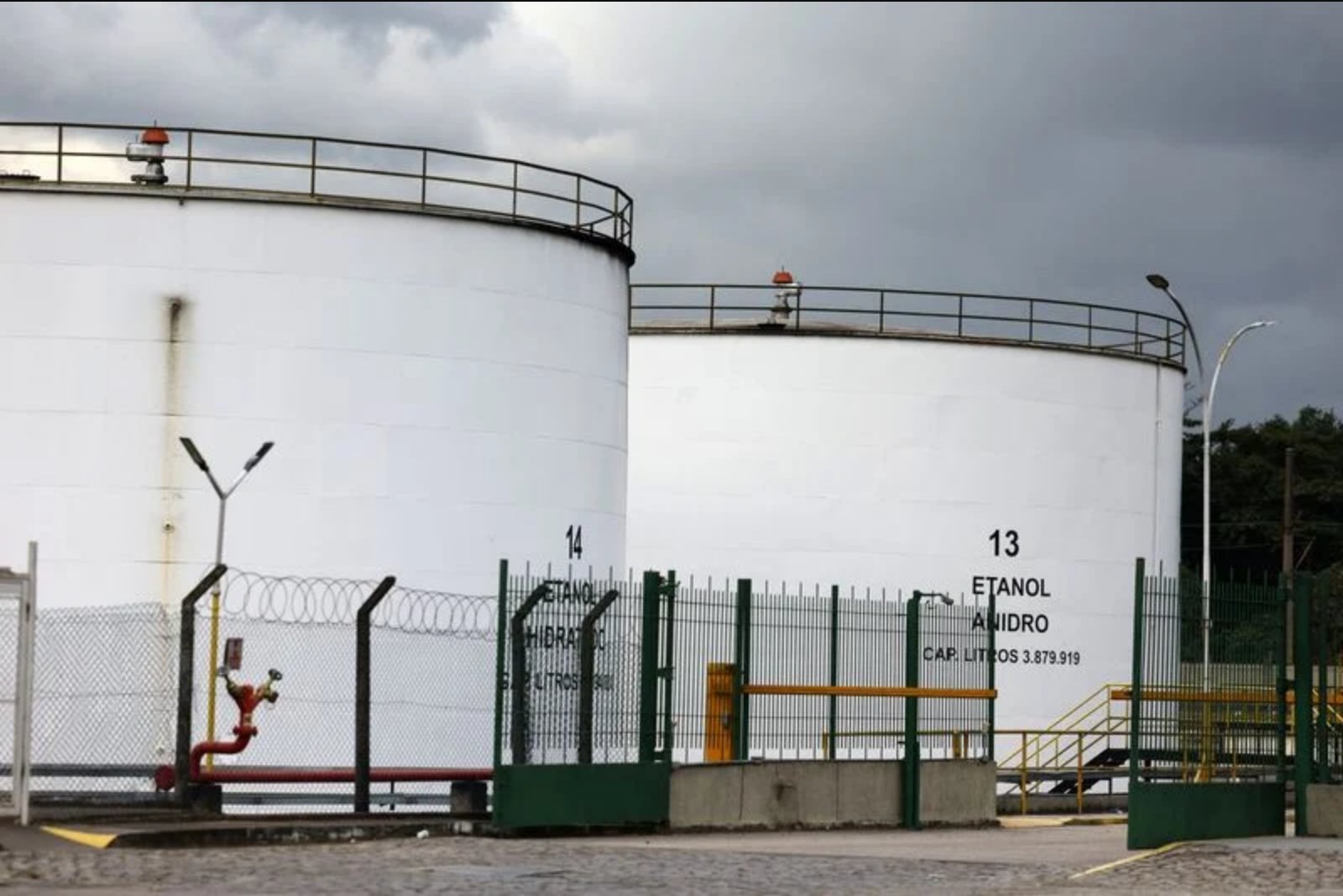
The prospective tariffs would cover more than 4,000 distinct products exported from Brazil to the United States, spanning categories such as cane sugar, pig iron, wood moldings, ethanol and tobacco. The National Confederation of Industry, Brazil’s main industry lobby, estimates the affected trade totals about $15 billion a year.
“There were dozens of meetings, six or seven in the last month alone,” said one Brazilian official who declined to be named because they were not authorized to discuss the matter publicly. The official characterized the U.S. negotiating posture as asking for concessions that could not be granted under Brazilian law, adding: "But they want the impossible."
Legal basis and scope
The administration plans to rely on Section 301 of U.S. trade law, the authority that permits investigations into alleged unfair trade practices. U.S. use of Section 301 has expanded since the Supreme Court invalidated the administration’s previous global tariff policy in February. The U.S. Trade Representative has opened close to 80 trade investigations under this framework, and Brazil appears set to be one of the early test cases in the new tranche of actions.
The Brazil probe itself was launched in July of last year. In its opening, the U.S. investigation cited several alleged unfair practices, including claims related to illegal deforestation and concerns about Brazil’s instant payments platform, Pix, which U.S. officials say disadvantages credit card companies. Brazilian authorities have strongly rejected those allegations.
In a letter to U.S. Trade Representative Jamieson Greer, Brazil’s Minister of Foreign Affairs Mauro Vieira said the United States had not substantiated its claims and described the investigation as "arbitrary" and part of "widespread economic pressure imposed by the U.S."
Products affected and exemptions
The National Confederation of Industry identified a number of product categories for which Brazil is a leading supplier to the U.S. market that would face the 25% increase: pig iron, wood moldings, cane sugar, ethanol and tobacco were singled out by the group. The Confederation’s president Ricardo Alban said the measure "harms companies in both countries."
At the same time, the proposed Section 301 measures are expected to exempt certain goods that already account for most Brazilian exports to the United States - including beef, coffee, rare earths and aircraft parts. Those categories had been spared under an earlier set of tariffs, when the administration imposed 40% duties on some Brazilian products.
The prior 40% levies were applied against Brazilian goods in a politically charged episode tied to the arrest of former Brazilian President Jair Bolsonaro, a former ally of the current U.S. president, who is now serving time under house arrest for attempting to overthrow democracy after his 2022 electoral defeat. Relations between the U.S. president and Brazil’s current president Luiz Inacio Lula da Silva have since improved, which helped ease some political tensions between the two governments.
Timing and political backdrop
The new tariffs are slated to take effect in under three months from the announcement, placing them less than three months ahead of Brazil’s presidential election. The vote is expected to feature the incumbent president running for reelection against the son of the jailed former president, Senator Flavio Bolsonaro.
Brazilian government sources said the country could respond with retaliatory measures once the U.S. tariffs are implemented, depending on the tariffs’ actual impact on trade and industry.
Additional investigations and potential further duties
Brazil is also included in a separate Section 301 probe by the USTR that is due to conclude on July 24. That inquiry focuses on alleged links to forced labor within supply chains of multiple countries. Officials expect the separate probe could lead to an additional 12.5% tariff on some Brazilian goods, which would, when combined with the proposed 25% tariffs, amount to a cumulative 37.5% burden on affected exports.
Those moves risk adding further strain to a bilateral trade relationship that has already shown signs of deterioration. Data from the American-Brazilian Chamber of Commerce show the U.S. share of Brazil’s total trade fell to 9.7% in the first half of this year, down from 12.1% in the same period in 2025, and the lowest share recorded since data collection began in 1997.
Brazil’s response and strategic shifts
Brazilian officials assert that prior U.S. tariffs did not cripple their economy but did prompt companies to diversify trade partners, notably tightening commercial ties with China. One government official criticized the U.S. approach, saying: "They are shooting themselves in the foot. They’re pushing Brazil and other countries further and further toward Asia."
As the expected announcement approaches, Brazilian industry groups and policymakers are preparing for direct effects across the manufacturing and agricultural goods singled out by the upcoming tariffs, while monitoring the separate forced labor probe that could compound duties on exporters.
Implications for markets and industry
The tariffs, exemptions, and parallel investigations create a complex set of immediate trade disruptions and policy uncertainties for exporters and importers operating between Brazil and the United States. The exact scope of implementation and any Brazilian countermeasures will determine how the bilateral flow of goods adjusts in the coming months.
For now, officials on both sides are positioned for a period of heightened trade tension, with possible ripple effects across commodity and industrial supply chains tied to the products named in the investigations.