
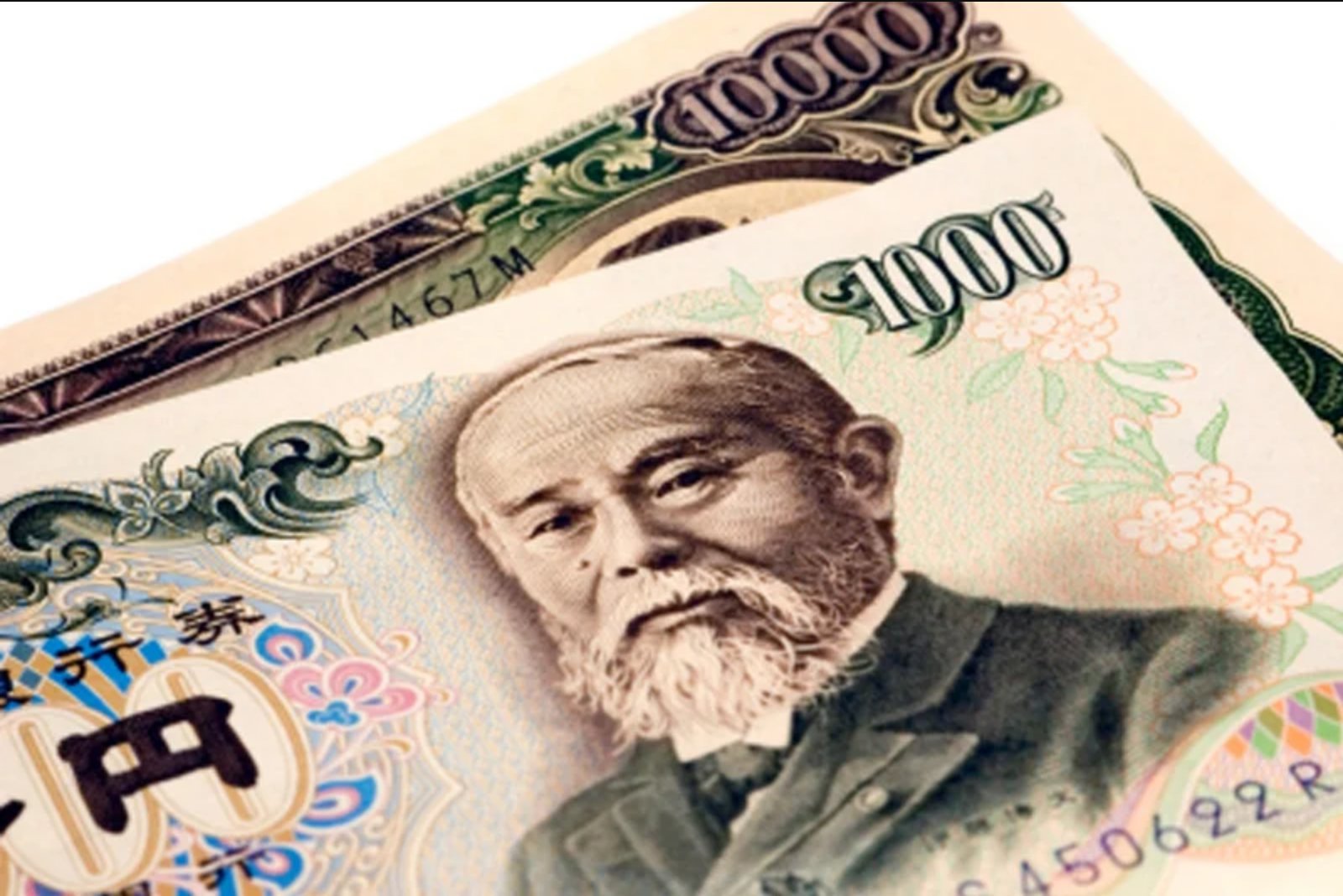
The Japanese yen outperformed other Asian currencies on Friday after Tokyo said it would press the world’s largest pension fund to raise investment in domestic assets, while stronger-than-expected producer price inflation in Japan added further upside to the currency.
Market participants also pared back some positions in the dollar as attention remained fixed on renewed U.S.-Iran confrontation and the implications for inflation and U.S. monetary policy.
Yen response to pension guidance and PPI
The USD/JPY rate declined 0.6% to 161.44 following comments by Finance Minister Satsuki Katayama that Tokyo is seeking to encourage the Government Pension Investment Fund to boost its holdings of local assets. Because the fund is the largest pension vehicle globally, any shift in its allocations carries meaningful weight for demand in Japanese bonds and for the currency.
Separately, Japan’s producer price index for June came in hotter than expected, recording its fastest pace of growth in more than three years amid upward pressure from higher energy costs. The stronger PPI print is widely viewed as likely to translate into higher consumer inflation in coming months, a development that could give the Bank of Japan further impetus to tighten policy.
Japanese 10-year yields moved lower after the pension remarks, sliding 3.4% on the news.
Dollar slides as geopolitical and policy risks linger
The dollar index fell 0.3% on Friday, pressured in part by the firmer yen, and was on track for a 0.1% decline for the week - marking a second consecutive weekly loss. Earlier in the week the dollar had strengthened modestly amid a flare-up in U.S.-Iran military actions, which had raised concerns about energy-driven inflation.
That momentum faded after the Federal Reserve’s June meeting minutes showed policymakers were largely split over whether to raise interest rates further this year. In addition, softer-than-expected payrolls data released last week reduced expectations that the Fed will hike rates later in the year.
Nonetheless, the greenback’s losses were contained by lingering uncertainty over the Iran conflict and its possible inflationary effects, which market participants say could still prompt Fed rate hikes.
U.S. President Donald Trump said earlier in the week that a ceasefire with Iran was over, but later reported that Iran had sought further talks.
Other Asian currencies and regional market moves
- The Chinese yuan strengthened against the dollar, with USD/CNY down 0.2% after data on Thursday pointed to a continued pickup in inflation.
- The Singapore dollar also firmed, with USD/SGD down 0.1%.
- The Australian dollar rose, with AUD/USD up 0.3%.
- By contrast, the South Korean won was weaker: USD/KRW rose 0.3% as heightened volatility in local equity markets weighed on the currency. Markets in South Korea had seen the introduction of 24-hour won/dollar trading earlier in the week.
Despite the yen’s gains on the day, it remained close to its weakest levels in roughly four decades.
Market implications
Investors tracked the interaction between domestic policy signals in Tokyo and global drivers of risk and inflation. The combination of potential reallocation by a major pension investor and hotter producer inflation underscored a pathway toward tighter Japanese monetary conditions, while geopolitical uncertainty and mixed U.S. economic signals continued to shape dollar sentiment.