
Commodities October 15, 2026 12:03 AM

U.S. Officials Weigh Relaxing Rules for Sanctioned Tankers to Ease Freight Costs

Discussions focus on permitting certain sanctioned vessels to carry non-prohibited oil cargoes with Treasury approval as administrations seek to relieve record shipping rates

By Leila Farooq
Share
Twitter Reddit Facebook LinkedIn

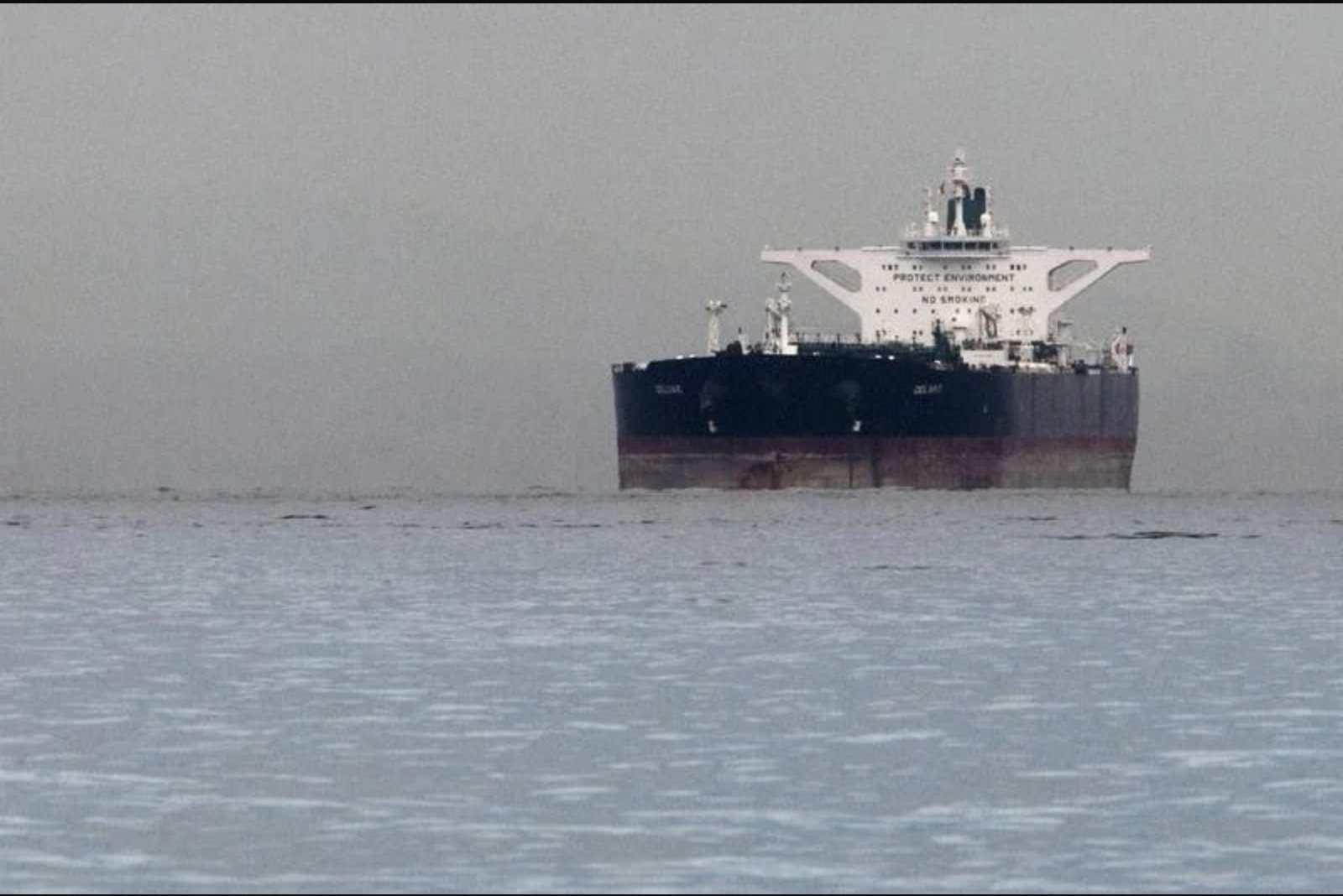
U.S. officials are considering a policy shift that would allow oil tankers linked to Russia, Iran and Venezuela to transport oil and petroleum products that are not explicitly barred under U.S. sanctions. The measure, which would require companies to obtain Treasury Department approval to use affected vessels, is being examined as a way to reduce record-high shipping costs that have disrupted global energy flows. The deliberations follow a temporary lift of sanctions on Russian diesel fuel through April 7 and have attracted political criticism.

U.S. Officials Weigh Relaxing Rules for Sanctioned Tankers to Ease Freight Costs
Summarize with
ChatGPT Perplexity Claude Grok Gemini

Key Points

  • U.S. officials are considering allowing oil tankers linked to Russia, Iran and Venezuela to carry oil and petroleum products that are not specifically prohibited, subject to Treasury approval - affecting shipping and energy markets.
  • The policy review follows a temporary lift of sanctions on Russian diesel fuel through April 7, a move that drew criticism from Ukrainian President Volodymyr Zelenskiy and some Republican senators, with implications for political and diplomatic debates.
  • Energy Secretary Chris Wright has discussed easing restrictions to lower freight costs, as noted by research firm Energy Aspects - relevant to freight operators, refiners and import-dependent sectors.

U.S. officials are reviewing whether to relax restrictions on oil tankers associated with Russia, Iran and Venezuela in an effort to bring down record-high shipping costs that have strained global energy trade. A U.S. official has described ongoing discussions about allowing sanctioned vessels to carry oil and petroleum products that are not themselves prohibited under U.S. sanctions.

Under the proposals being considered, companies would be permitted to use these vessels only after receiving explicit approval from the U.S. Treasury Department. Proponents of the move argue that authorizing such shipments could boost the flow of supplies out of the Gulf and help relieve pressure on freight rates.

These deliberations come after President Donald Trump temporarily lifted sanctions on Russian diesel fuel through April 7. That decision prompted criticism from Ukrainian President Volodymyr Zelenskiy and some Republican senators, who expressed concern that the measure could strengthen Moscow's sources of war funding.

Energy Secretary Chris Wright has reportedly also raised the possibility of easing some restrictions as a lever to reduce freight costs, according to research firm Energy Aspects. Officials are weighing whether changes to the current enforcement posture could address shipping bottlenecks without contravening existing sanctions on prohibited cargoes.

Policy details remain under discussion, and any operational change would be contingent on Treasury approval for companies that seek to employ vessels linked to sanctioned entities. The administration's moves are being watched closely because elevated oil and fuel prices present a political vulnerability for President Trump ahead of the November 3 U.S. midterm elections.


Context and mechanics

The possible adjustments target the use of specific tankers - those tied to Russia, Iran and Venezuela - but would not alter prohibitions on oil or petroleum items that are explicitly barred under existing sanctions programs. The administration is exploring whether a limited, approval-based approach could increase available shipping capacity without expanding the universe of permitted cargo.

What is clear and what remains uncertain

  • Clear - Officials are discussing a policy that would permit sanctioned vessels to move non-prohibited oil and petroleum products with Treasury approval.
  • Uncertain - Final scope, implementation details and timeline for any change have not been announced.

Risks

  • Political backlash - The temporary easing of restrictions on Russian diesel through April 7 already drew criticism from Ukrainian President Volodymyr Zelenskiy and some Republican senators; further relaxations could provoke additional domestic and international political opposition, affecting policy durability and diplomatic relations.
  • Potential perception of bolstering adversary funding - Critics argue that relaxing measures could indirectly support sources of funding for Moscow's war efforts; this perception may complicate implementation and oversight.
  • Uncertainty of implementation - Any use of vessels would require Treasury Department approvals, and the final scope and timing of changes remain unclear, creating operational and compliance uncertainty for shipping and energy firms.

More from Commodities

OPEC+ Agrees in Principle to Hold December Output Targets Steady Oct 31, 2026 Citi Warns of Potential 2027 Surge in European Gas Prices Amid Middle East Risks Oct 31, 2026 Iranian and Qatari Envoys Hold Fresh Talks in Doha as Region Braces for Possible Post-Midterm Strikes Oct 31, 2026 Coal output lags as Asian demand rises, keeping prices on edge for winter Oct 31, 2026 U.S. Grants Short Extension to Waiver Allowing Serbia’s NIS to Import Crude Until Dec. 11 Oct 30, 2026