
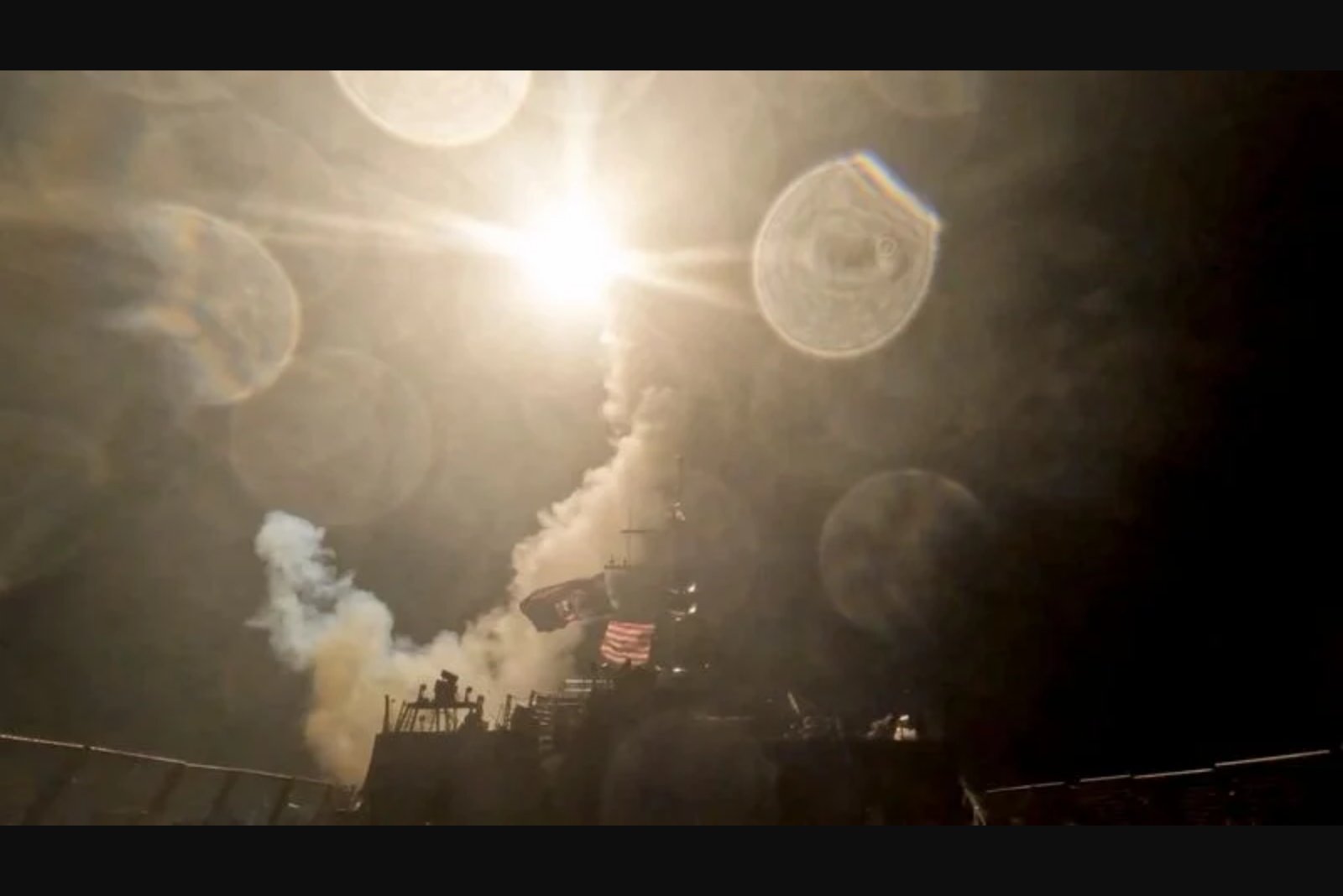
WASHINGTON, Sept 1 - The U.S. military announced late on Tuesday that it had completed its most recent series of strikes on Iran, targeting elements of the Islamic Revolutionary Guard Corps (IRGC) amid an intensifying exchange of attacks.
U.S. Central Command said on X that the strikes hit multiple IRGC capabilities, specifying air defense sites, radar systems, maritime assets and facilities, mine laying capabilities, and communications sites. The announcement came after a weekend exchange of fire between forces - described in reports as the first such exchange since late July.
An Axios report, citing U.S. officials, said the U.S. military struck two Iranian government tankers during Tuesday’s operations. The report is presented as information attributed to U.S. officials.
Iran mounted retaliatory measures on Tuesday, attacking U.S. assets in Jordan, Bahrain and Iraq. Iranian authorities also reported fatalities and injuries from a strike near Sirik, a coastal area on the Strait of Hormuz.
The Iranian Red Crescent said five people were killed and 50 wounded at a wedding close to Sirik. The Mehr news agency reported that one of the dead was a 4-year-old child. Separately, the IRNA news agency, citing a provincial official, provided a different tally for the wounded at 68.
The latest U.S. strikes followed an earlier sequence of events over the weekend and attacks on Monday on two tankers leaving the Strait of Hormuz - a waterway central to global oil flows that Iran has effectively closed to shipping, according to reports in the record of events.
The current cycle of operations is part of a broader pattern of exchanges between the United States, Israel and Iran this year. The record notes that the U.S. and Israel conducted strikes on Iran on February 28, after which Iran carried out its own strikes on Israel and on Gulf states that host U.S. bases.
Energy flows through the Strait of Hormuz have been affected by the conflict. U.S. Energy Secretary Chris Wright said that 17 million barrels of oil transited the Strait of Hormuz on Monday, the highest daily level to pass through the waterway since the war had reduced flows. Observers have linked the fighting to upward pressure on global energy prices.
President Donald Trump wrote on social media on Tuesday that he was "not trying to force Iran to the bargaining table," and added, "When are the Iranian people going to rise up and fight?"
The exchanges this week represent the most serious escalation in several weeks, and they have produced civilian casualties as well as further disruption to shipping and energy markets. The sequence of strikes and counterstrikes remains ongoing in the public record of official statements and reports.
Summary - U.S. military completed a new wave of strikes on Iran targeting IRGC sites; Iran responded with attacks on U.S. assets and reported civilian casualties near the Strait of Hormuz. The exchanges have contributed to higher energy market pressure and disrupted shipping through the Strait.