
With reports indicating a deal to reopen the Strait of Hormuz is "imminent," Capital Economics has identified five factors that will determine how oil and gas markets respond in the coming weeks and months.
1) Tanker traffic through Hormuz and the broader Middle East
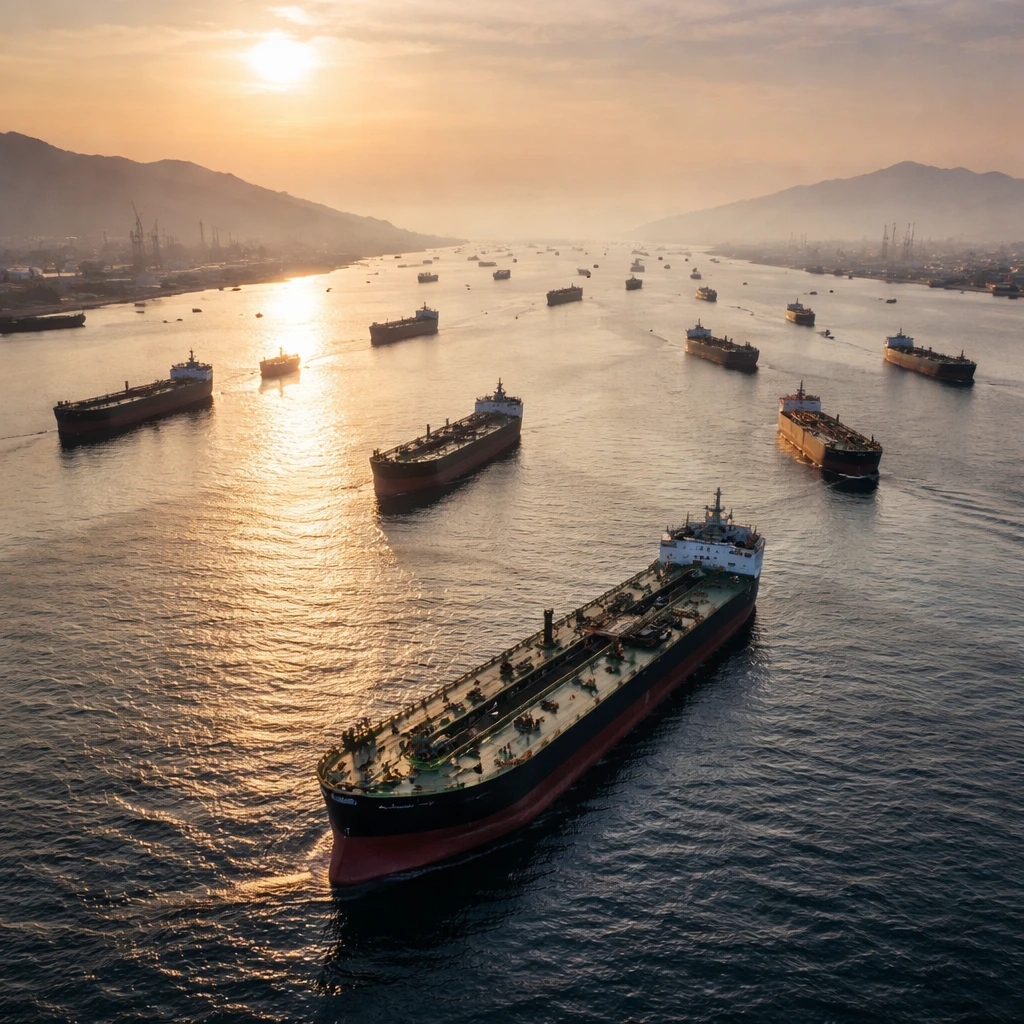
Capital Economics notes that vessel movements through the strait plunged to a near-standstill after hostilities resumed following the previous memorandum of understanding (MoU). Overall transit activity has stayed well below normal levels in recent weeks, although the full picture is complicated by so-called "dark" transits in which ship operators switch off automatic identification system transponders.
The firm expects a temporary surge in departures once the waterway reopens, but it cautions that the scale of that exodus will likely be smaller than after the first MoU because there is currently less oil trapped in the Gulf than in June. As a result, Capital Economics concludes that prices will not fall as far as they did following the earlier agreement.
It adds a caveat: any new U.S.-Iran deal could collapse again, particularly as negotiations move on to Iran's longer-term nuclear ambitions. The firm also points to the Houthi blockade of Saudi exports through the Bab el-Mandeb Strait as evidence that supply risks in the Gulf are not confined to Hormuz.
2) The pace of recovery in Gulf energy output
A key variable is how quickly oil production and refining capacity in the Middle East return to pre-conflict levels. Capital Economics reports that Middle East oil exports remained around 9 million barrels per day below pre-war levels in July. Executives in the oil sector have, however, signalled that the bulk of pre-war crude production and refinery throughput could be brought back online within a matter of months.
On the gas side, Capital Economics cites a comment from Qatar Energy's head that 17% of the country's liquefied natural gas (LNG) production capacity will be offline for two to three years because of Iranian strikes. The firm notes that the North Field expansion project could offset part of that loss.
3) Commercial oil stocks and the strategic buffer
Even with a rapid reopening of the strait, Capital Economics warns commercial oil inventories could still "flirt with severely depleted levels" during the third quarter. Members of the International Energy Agency released 400 million barrels of emergency stocks to help offset production losses, and that release has been compensating at a rate equivalent to 2-3 million barrels per day. According to the firm, that buffer is scheduled to run out by early-to-mid September.
Capital Economics says that, to avoid further tightening of the global oil market, one of two outcomes would be required: either Middle East exports would need to increase by 2-3 million barrels per day over the coming month, or the IEA would need to authorise another round of strategic reserve releases.
4) Offsetting demand-side and policy developments
The firm highlights offsetting forces that could temper the market response to a Hormuz reopening. China has recorded a sharp drop in crude imports, and U.S. petroleum exports have risen. Capital Economics also flags a political tail risk in the United States - namely, the possibility that frustration over gasoline prices could prompt a ban on oil product exports.
On China specifically, the firm wrote: "While our sense is that China could keep imports around current levels for many more months, possibly into 2027, much will depend on the willingness of policymakers and firms to run inventories down to low levels."
5) Seasonal gas demand and European storage levels
Finally, Capital Economics says seasonal natural gas demand profiles mean that any price relief from a reopening of the strait will be limited in the near term. European gas storage is lower than in recent years heading into winter, reducing the scope for immediate downward pressure on prices.
Baseline forecast and immediate outlook
On balance, the firm's base-case scenario projects Brent crude will finish the year trading at about $75 per barrel. It also anticipates European natural gas prices will remain close to current levels of approximately c50-55 per MWh through the winter.
Capital Economics' assessment underscores that multiple, interacting supply and demand dynamics will determine whether a reopening of the Strait of Hormuz produces only a transient market reaction or more durable price adjustments.
Implications for markets
Market participants will be watching shipping activity, production restarts, inventory trajectories, import patterns in major consuming countries, and near-term gas storage trends. These variables will influence crude and product prices, LNG markets, refining margins, and regional energy security assessments.