
Shares of Sweetgreen plunged in premarket trading, shedding roughly 15% on Friday after the salad chain revised down its full-year same-store-sales outlook amid consumer caution over fresh produce tied to a large U.S. cyclosporiasis outbreak.
The company now expects annual same-store sales to fall between 7% and 8%, a step down from its earlier forecast for a 2% to 4% decline. Sweetgreen said the adjustment reflects a reduction in customer demand since mid-July driven by concerns associated with the outbreak.
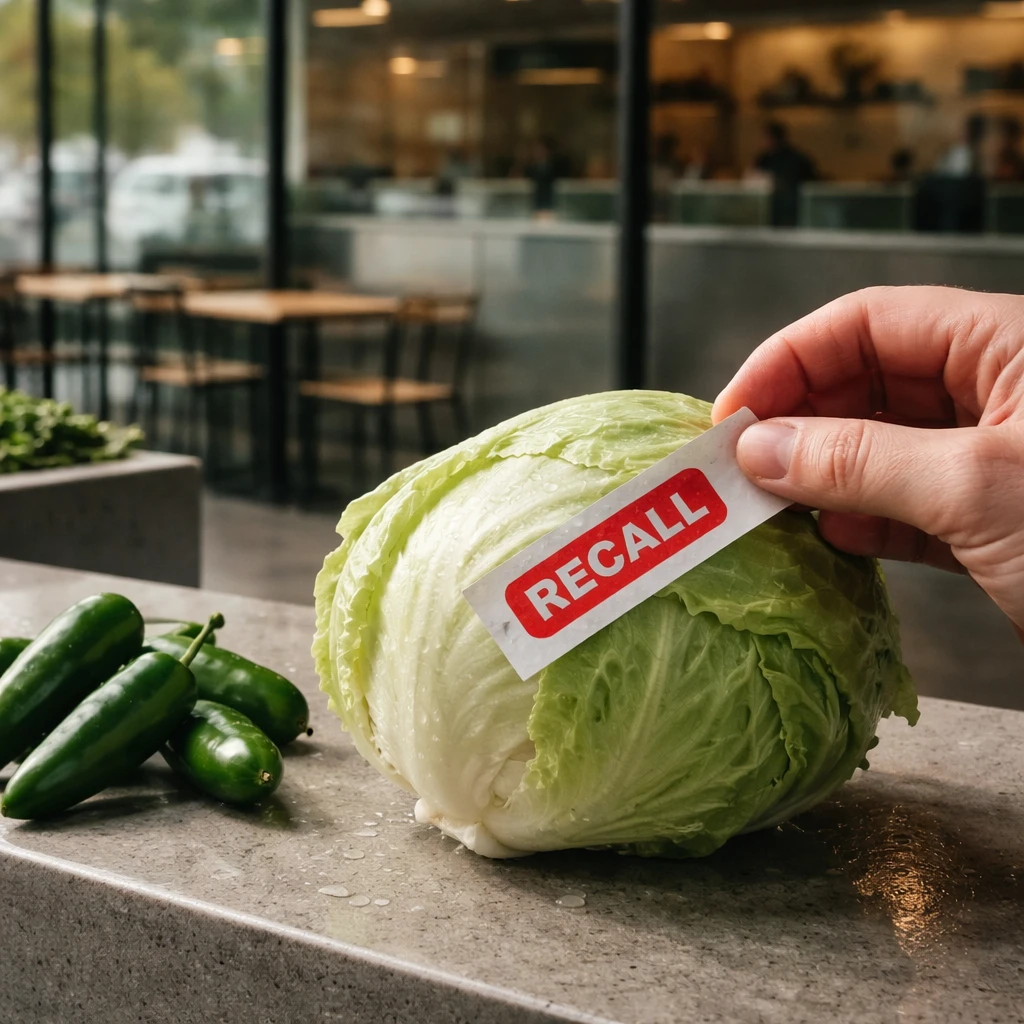
U.S. health authorities have reported record levels of cyclosporiasis cases this year, with the current outbreak among the largest foodborne-illness incidents in recent national history. The illness can be contracted from food - typically raw fruits and vegetables - or contaminated water, and symptoms include diarrhea, nausea and other gastrointestinal problems. The outbreak has been linked to recalled iceberg lettuce from central Mexico.
Sweetgreen has repeatedly stressed that iceberg lettuce is not used on any part of its menu and said it has no indication from health authorities or its suppliers that the company is connected to the outbreak. Nonetheless, the news has prompted some U.S. consumers to buy less lettuce and to avoid certain restaurant chains that depend heavily on fresh produce.
Financial results for the second quarter ended June 28 showed same-store sales declined 6.2% - the sixth consecutive quarterly decrease - though that was a modest improvement from the 7.6% drop recorded a year earlier.
On a post-earnings conference call, CFO Jamie McConnell said: "Beginning in mid-July, heightened consumer concern related to the recent cyclospora headlines disrupted that momentum, and the impact to July comparable sales was about 600 basis points." McConnell added that while the timing of a full recovery is hard to predict, the company is confident it can rebuild momentum.
Since mid-July, when outbreak-related concerns began affecting chains reliant on fresh produce, Sweetgreen's shares have fallen nearly 30%. The company has a market capitalization of roughly $700 million.
Alongside its guidance revision, Sweetgreen and other salad-focused chains have posted notices underscoring that they do not use iceberg lettuce in an effort to reassure customers. Separately, Sweetgreen disclosed that it had recalled some jalapenos earlier in the week as health authorities investigate a Salmonella outbreak linked to Mexican jalapeno peppers.
Market reaction and context
Investors reacted swiftly to the guidance cut and the heightened uncertainty around consumer behavior for fresh produce. The company attributed the guidance change to observable declines in traffic and comparable sales since mid-July tied to media coverage and public concern about the outbreak.
Outlook
Sweetgreen's revised same-store-sales guidance and the ongoing public health investigations have left near-term demand for salad-centric restaurants uncertain. Management emphasized its intention to rebuild momentum but acknowledged the difficulty of predicting when a full recovery will occur.
This article presents the company's revised guidance, reported sales figures and statements attributed to company management and public health developments as provided by the company and authorities. It does not introduce additional facts beyond those presented.