
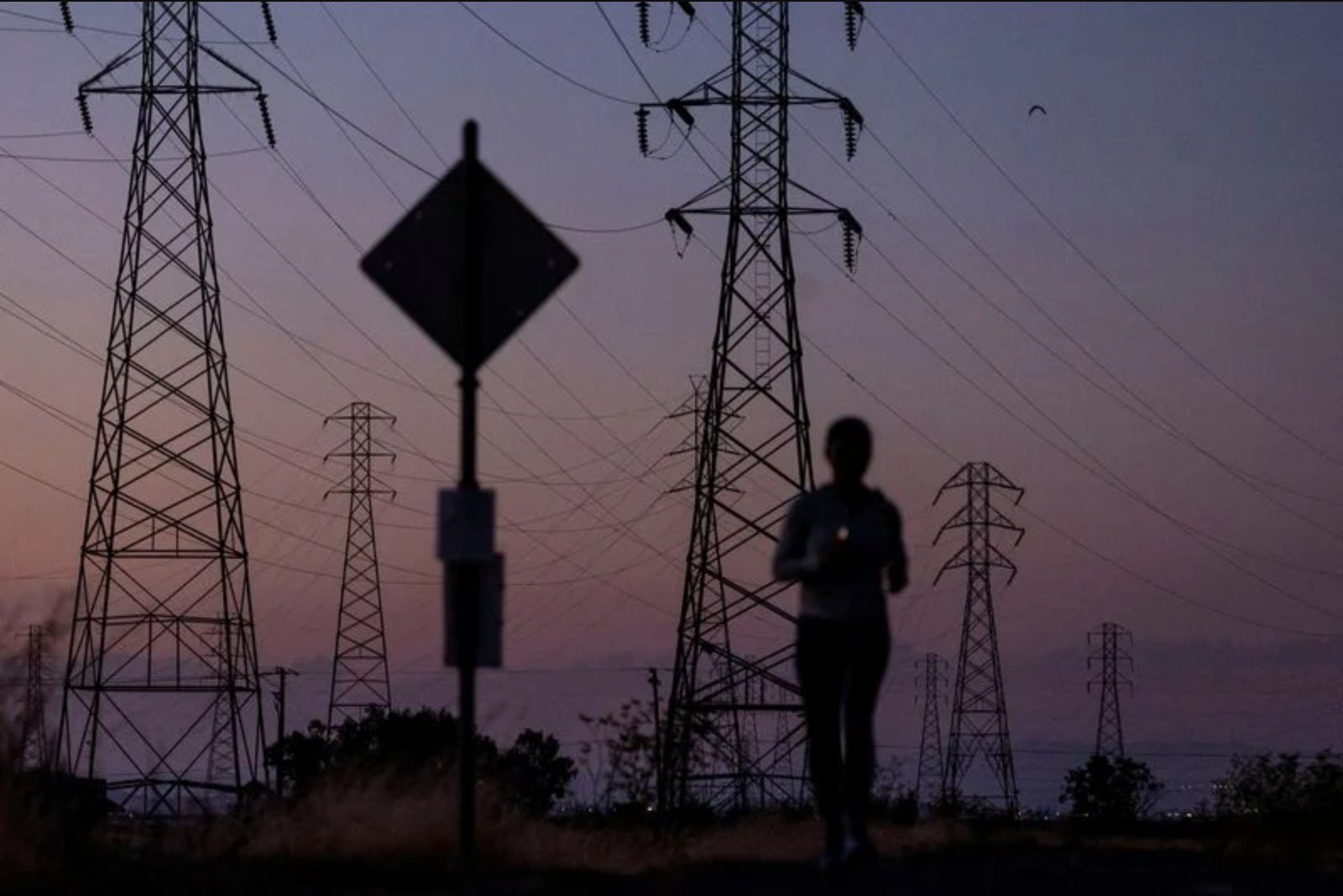
PJM, the regional transmission organization that supplies power to roughly 67 million people across the Mid-Atlantic, the South and Washington, D.C., reported on Friday that it had entered a federal alert and instructed utilities to cut electricity use where possible. The request targeted customers who are contractually obligated to reduce consumption during emergency conditions as the operator contends with multiple stresses on the system.
Those stresses include unplanned outages at generators, significant overloading along high-voltage transmission corridors and a sustained spike in demand driven by extended sweltering temperatures and heavy air conditioning use. PJM said the combination of these factors prompted the alert and the directive to call on contracted conservation from participating customers.
The situation has translated into extreme movements in spot wholesale prices in some pockets of the PJM footprint. In northern Virginia, an area noted for hosting the world’s largest concentration of data centers, spot prices climbed above $2,000 per megawatt hour at points this week. By comparison, spot prices are about $40 per megawatt hour when PJM is operating without these kinds of system stresses.
Industry analysts and PJM’s own operations data attribute the sharp price escalation primarily to the rising cost of delivering power across congested high-voltage power lines. When transmission lines become congested, the market prices needed to secure additional supply and maintain reliability can increase markedly, PJM and observers said.
The operator’s alert and the price signals reflect an intersection of supply-side problems and heightened cooling demand. PJM’s instruction to utilities to implement contracted reductions is focused on customers who have prearranged agreements to curtail usage during shortages rather than on rolling outages for the broader population.
As the region remains under sustained heat and generation capacity is constrained, PJM’s actions are intended to preserve system integrity and avoid more widespread disruptions. The operator’s public statements point to transmission congestion and generator outages as the proximate drivers of the emergency measures and the precipitous rise in localized wholesale prices.
For stakeholders across affected sectors - including large electricity consumers, utilities and markets that trade wholesale power - the immediate developments underscore how localized transmission constraints and elevated demand can push prices far above typical levels and trigger emergency conservation steps.
Summary
PJM said it was operating under a federal alert and asked utilities to implement consumption cuts from customers that have emergency curtailment contracts. The operator is managing generator outages, overloaded transmission lines and intense air conditioning demand amid prolonged heat. Spot prices in northern Virginia exceeded $2,000 per MWh this week compared with about $40 per MWh in normal conditions, with analysts and PJM data pointing to expensive delivery across congested high-voltage lines as the main cause.