
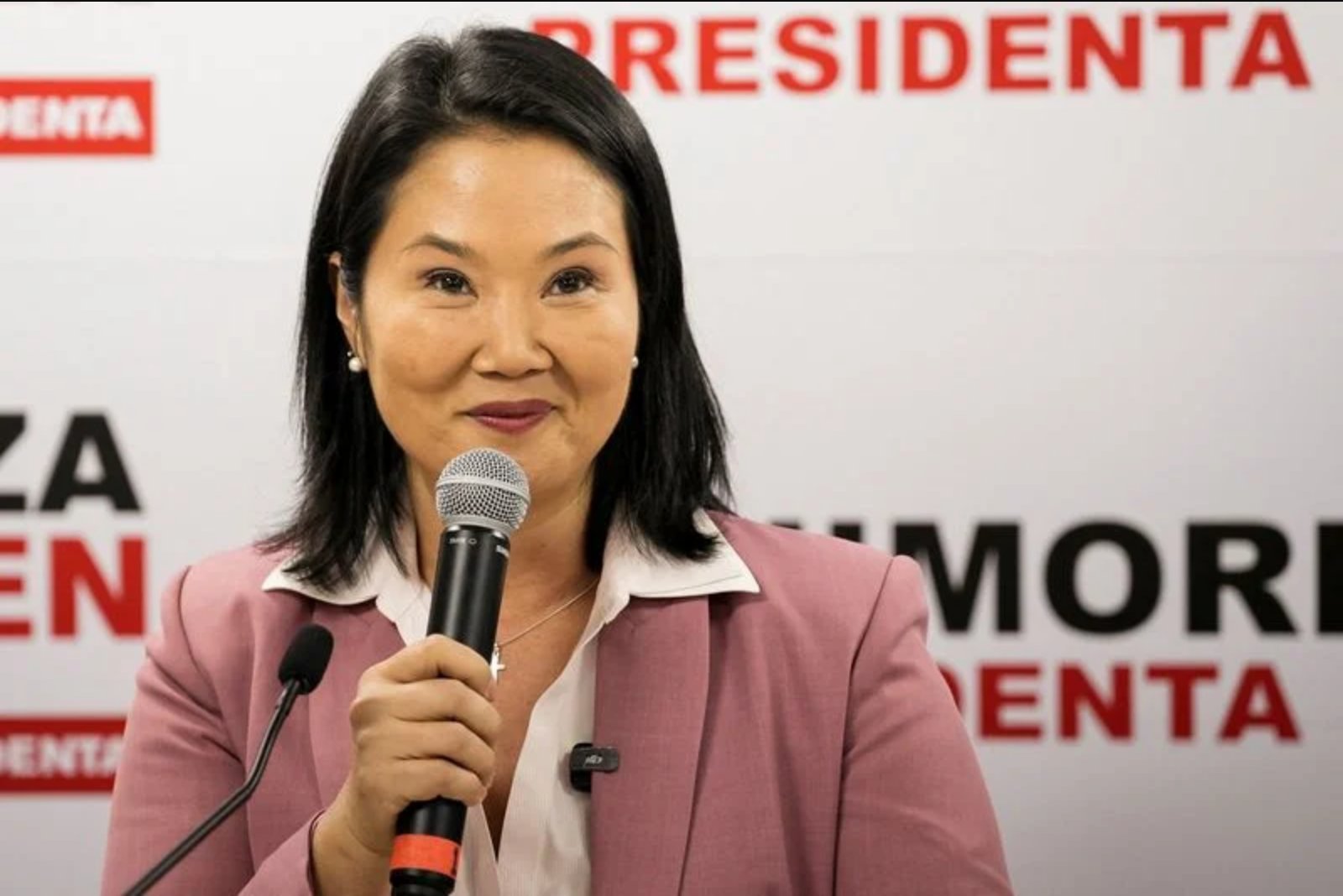
Official declaration after weeks of review
After weeks of ballot reviews, protests and heated accusations from both camps, Peru’s electoral authority on Friday formally declared Keiko Fujimori the winner of the presidential runoff held June 7. The announcement followed an extended counting and verification period in a contest decided by the slimmest of margins.
Vote totals and margin
Fujimori secured 50.135% of the vote compared with Roberto Sanchez’s 49.865%, a difference of roughly 50,000 votes out of nearly 18 million ballots. This victory comes on Fujimori’s fourth bid for the presidency and reverses the narrow defeat she suffered in 2021, when she lost by about 45,000 votes.
Claims and contestation
Sanchez, a leftist senator viewed by many as the political heir to former President Pedro Castillo, has said he will not recognize Fujimori’s government while alleging electoral fraud - assertions the campaign made without providing supporting evidence. Sanchez led in early counts and carried a slim lead for votes cast inside Peru, and he has organized marches contesting the outcome. He has also filed a complaint with the Inter-American Commission on Human Rights challenging the elections.
Geographic split in support
The result revealed a marked geographic split in voter preferences. Sanchez drew his strongest backing from Peru’s rural regions, where he was the leading candidate and which were the epicenter of heavy protests and clashes with security forces during previous political unrest. Fujimori’s votes concentrated in the capital region of Lima, and she won the overseas ballots by a wide margin, gains that proved decisive in narrowly clinching victory.
Political context and succession
When Fujimori takes office on July 28 she will become the 10th president to assume the Peruvian presidency since the beginning of 2016. She is set to replace interim President Jose Balcazar, who assumed the role in February following a sequence of presidential dismissals tied to accusations of corruption or abuse of power.
Regional and international reactions
The outcome was greeted by a number of right-leaning leaders in Latin America who publicly congratulated the president-elect, underscoring a continuation of conservative gains in the region. A statement from U.S. Secretary of State Marco Rubio also offered congratulations, noting that President Donald Trump’s administration anticipates deeper cooperation on security, investment and trade.
Market response and credit agency view
Financial markets reacted positively to Fujimori’s confirmation, having been unsettled by the prospect of a Sanchez victory. In a report released ahead of the final declaration, Moody’s said a Fujimori administration would likely preserve policy continuity, bolster investor confidence and support the country’s growth trajectory. The rating agency added that such continuity could help unlock delayed mining projects in Peru, which is identified as the world’s third-largest copper producer.
A contentious family legacy
Keiko Fujimori, 51, is the daughter of former President Alberto Fujimori, who governed from 1990 to 2000 and is credited in some quarters with defeating Maoist insurgents and stabilizing runaway inflation. The Fujimori name remains polarizing: Alberto Fujimori served 16 years in prison for human rights abuses, and Keiko Fujimori faced prolonged investigations into campaign financing that were dropped last year. She was detained pretrial on two occasions between 2018 and 2020, spending nearly a year and a half in custody.
Challenges facing the incoming president
Fujimori inherits a country deeply divided along urban-rural lines and a fragmented Congress known for ejecting presidents. The economic and social chasm between Lima and rural areas contributed to the unrest that followed Castillo’s removal from office, where clashes and protests left more than 60 people dead. Sanchez’s party, Together for Peru, holds the second-largest bloc in Congress while Fujimori’s party holds the most seats, setting up a legislative environment that may complicate governance.
This report synthesizes the sequence of events, official tallies and public reactions surrounding the conclusion of the 2024 presidential runoff in Peru. The facts and numbers presented reflect official tallies and widely reported public statements at the time of the electoral authority's certification.