
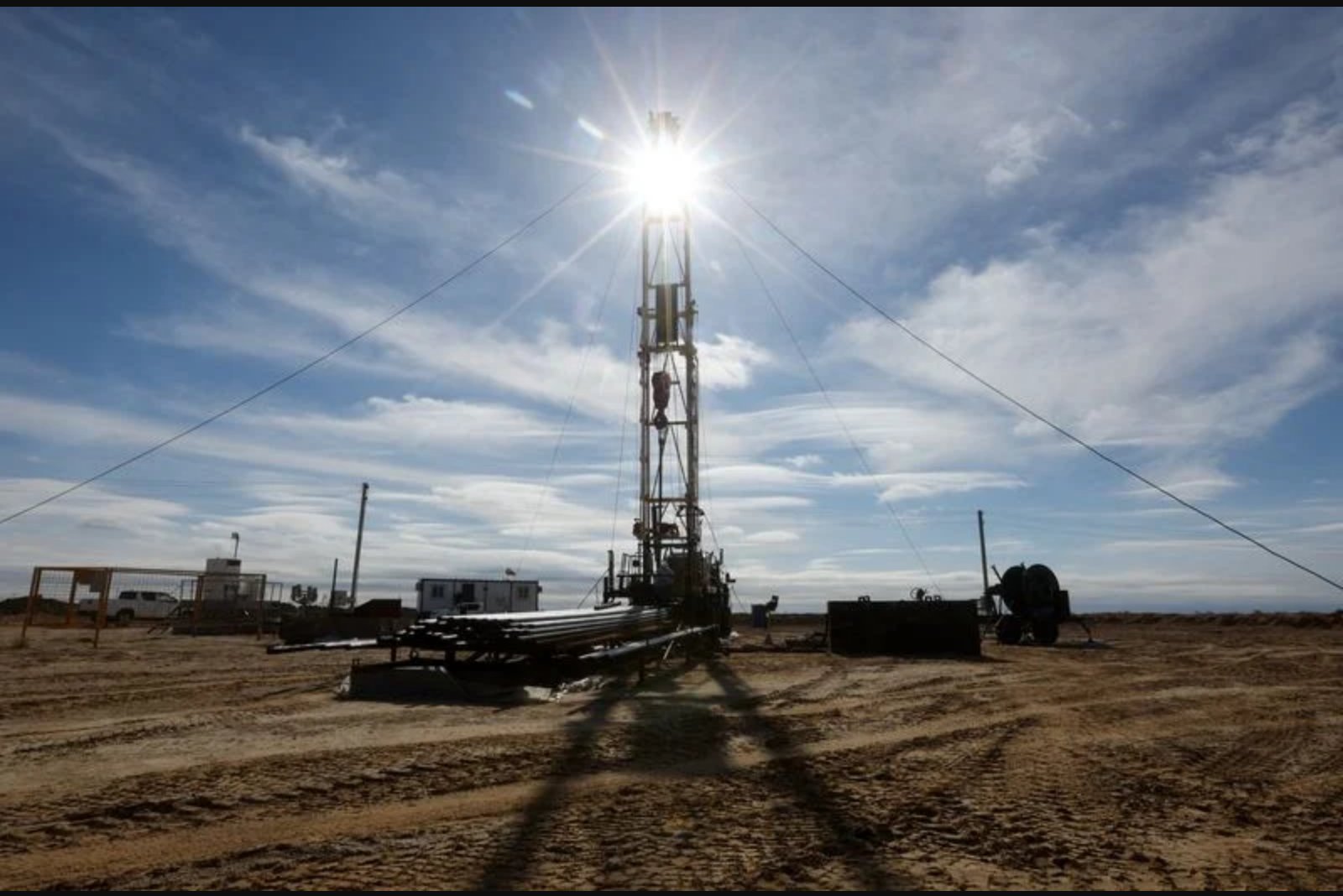
July 1 - Oil markets moved higher in early trade on Wednesday after reports that Iran will not be meeting with United States envoys, a development seen as adding pressure to an interim ceasefire in the four-month-long war.
At 1208 GMT, Brent futures were up 50 cents, or 0.69%, at $73.45 a barrel. U.S. West Texas Intermediate crude rose 63 cents, or 0.91%, to $70.13 a barrel.
The diplomatic activity in the Gulf included the arrival in Doha of Jared Kushner, U.S. President Donald Trump’s son-in-law, and envoy Steve Witkoff, who the White House described as participating in "high level" talks on Tuesday. Officials from Iran and host Qatar said they would meet with mediators rather than holding direct talks with the U.S. envoys. Qatar said Prime Minister Sheikh Mohammed bin Abdulrahman al-Thani was among those to meet with Witkoff and Kushner.
Market moves have followed a period of significant price retracement. Brent lost roughly $45 a barrel between the first and second quarters of this year, marking its largest quarterly drop since 2008 during the financial crisis. U.S. crude futures fell by about $31 over the same interval, their largest quarterly decline since 2020 when the Covid-19 pandemic sharply reduced global oil demand. These declines came after signs of progress toward resolving the Middle East conflict, which pulled prices back from earlier sharp gains tied to the hostilities.
Analysts adjusted their outlooks as well. After five consecutive monthly increases in price forecasts since the Iran war began, analysts cut their 2026 oil price forecasts for the first time, a shift attributed in part to the reopening of the Strait of Hormuz and a resulting reduction in worries about sustained supply interruptions, according to a Reuters poll showed on Tuesday.
U.S. political leaders weighed in on maritime security. U.S. Vice President JD Vance told The Michael Knowles Show, "This is not going to end in a place where the Iranians are collecting tolls on ships going through the Strait of Hormuz." Vance also said tanker traffic through the critical waterway had started to recover and claimed that oil flows through the strait had been restored to pre-war levels.
On the supply side in the United States, market sources citing data from the American Petroleum Institute reported declines in crude and gasoline inventories. The sources, speaking on condition of anonymity, said crude stocks fell by 6.1 million barrels in the week ended June 26. Gasoline stocks also declined, the market sources said, citing API data released on Tuesday. Market participants were awaiting the official U.S. oil stock figures from the Energy Information Administration, scheduled for release at 10:30 a.m. EDT on Wednesday.
Taken together, the diplomatic setback, the large quarter-to-quarter price corrections, revised analyst forecasts and recent inventory draws are all informing near-term market sentiment. Traders and industry participants are watching both geopolitical signals in the Gulf and the forthcoming official inventory numbers closely for clues on whether current price moves will persist.
Summary
Oil prices rose modestly after news that Iran will not meet directly with U.S. envoys, a development that strains an interim ceasefire in the four-month-long war. Brent and WTI strengthened in early trade, while U.S. inventory draws and adjustments to 2026 price forecasts amid improved Strait of Hormuz traffic influenced market dynamics.
Key points
- Diplomatic setback - Iran will not meet U.S. envoys, increasing uncertainty around the interim ceasefire; impacts energy and geopolitical risk assessment.
- Price moves - Brent rose to $73.45 and WTI to $70.13 as traders reacted to the news and inventory reports; affects oil markets and energy sector valuations.
- Inventory and flows - U.S. crude stocks reported down 6.1 million barrels by market sources and tanker traffic in the Strait of Hormuz is reported to be recovering; relevant to shipping and refining sectors.
Risks and uncertainties
- Geopolitical risk - The refusal of direct talks by Iran could further strain the interim ceasefire, raising uncertainty for oil supply assumptions and shipping security.
- Market reaction to inventory data - Official EIA figures due Wednesday could alter price direction if they differ from API-sourced market reports; affects traders and refiners.
- Forecast volatility - Analysts have already trimmed 2026 oil price forecasts after monthly increases; further adjustments could influence investment and budgeting decisions across the energy sector.