
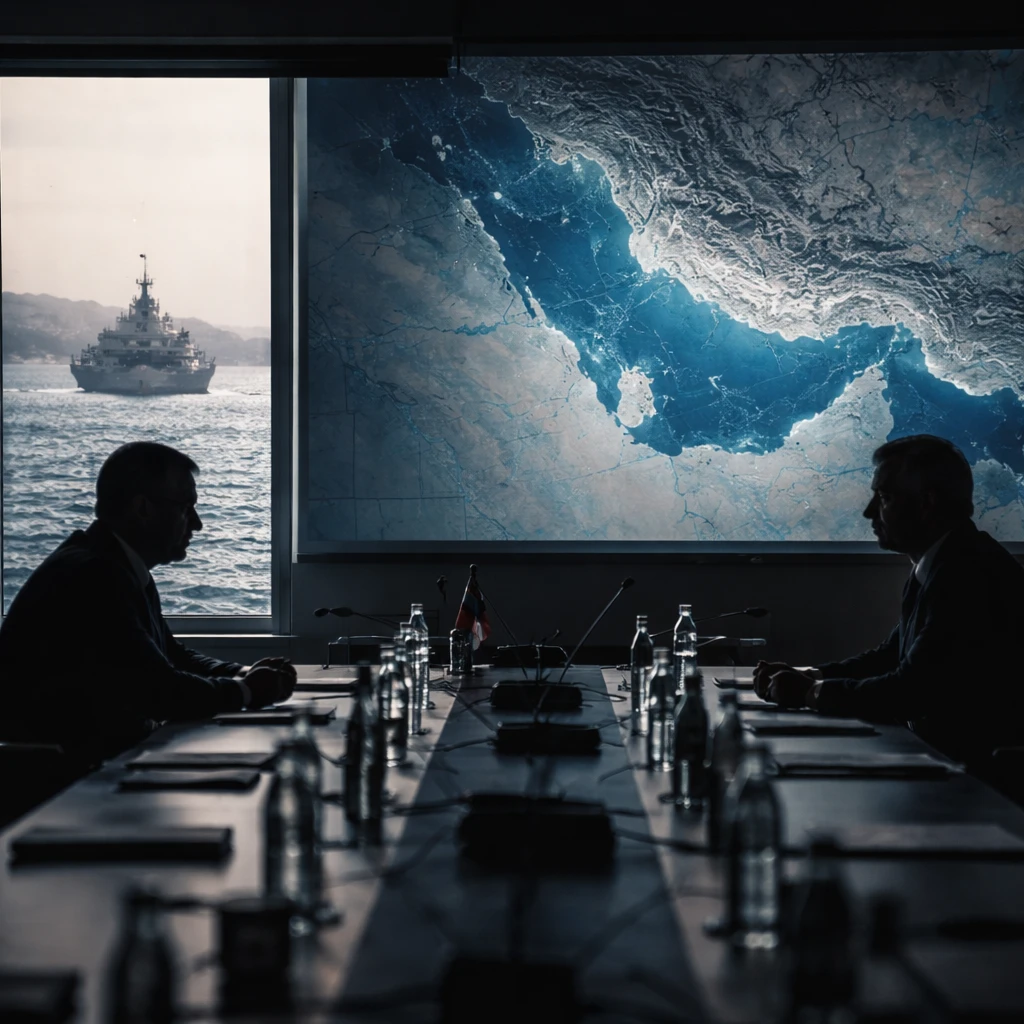
U.S. officials familiar with internal deliberations say President Donald Trump recently reviewed options that included renewed large-scale military operations against Iran but for now has chosen to press forward with diplomatic efforts.
The decision follows months of hostilities that have softened into a tenuous ceasefire yet remain exposed to sudden flare-ups. In recent days both Washington and Tehran have carried out limited retaliatory actions in response to alleged breaches of their interim accord, even as both sides continue to indicate willingness to pursue talks aimed at a more comprehensive settlement.
According to those officials, the president discussed a range of options with Defense Secretary Pete Hegseth and Chairman of the Joint Chiefs of Staff Gen. Dan Caine. The options under consideration spanned a return to full-scale strikes and a strategy focused on continued negotiations supported by limited military responses when Iran violated the memorandum of understanding.
Sources say Mr. Trump has told aides he is concerned that launching another major military campaign could undercut efforts to negotiate a deal that would dismantle Iran’s nuclear program. He is prepared to allow negotiations to proceed beyond the current August 18 deadline if discussions are making demonstrable progress, the officials added.
Rather than reverting to an all-out campaign, the president has expressed a preference for targeted retaliatory strikes in instances when Iran breaches the interim agreement. At the same time, U.S. officials say military force remains on the table should diplomacy fail to secure acceptable terms.
Diplomatic activity on the ground has continued. Envoys Steve Witkoff and Jared Kushner arrived in Doha for another round of indirect talks with Iranian representatives, while technical delegations from both sides were expected to keep negotiating through intermediaries.
Key obstacles cited by U.S. officials include Iran’s insistence on charging fees for ships transiting the Strait of Hormuz and persistent disputes over the scope of restrictions on Tehran’s nuclear activities. To lessen the risk of unintended escalation, Washington has established a crisis communications channel linking U.S. Central Command and Iran’s Revolutionary Guard.
For now, the administration appears to be balancing the deterrent value of keeping military options available with a strategic choice to pursue diplomacy, pause the most expansive use of force, and use limited strikes as a calibrated response to future violations.