
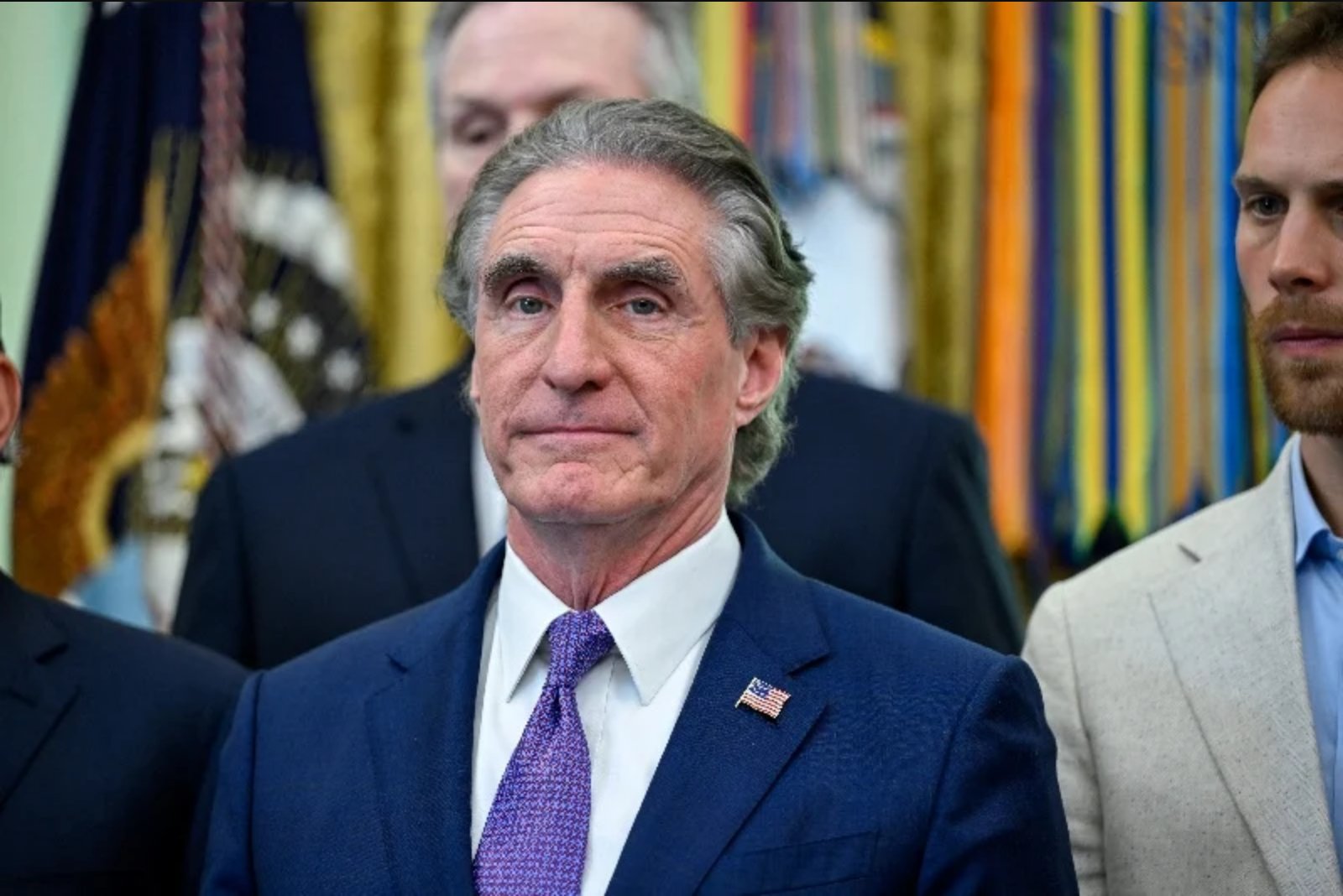
U.S. Interior Secretary Doug Burgum said on Monday that imposing a ban on exports of American crude or refined fuels would probably not lower energy prices for U.S. consumers, a position he stated while speaking at a G20 meeting on energy in Houston.
Burgum, who was appointed by President Donald Trump, said policymakers would consider an export ban only if there were clear evidence it would bring down prices. "We would consider an export ban if we thought that actually might lower prices, but that’s not the case," he told reporters.
He warned that curtailing exports of oil, gasoline or diesel could provoke retaliatory measures from trading partners, with consequences that could harm consumers in parts of the country that rely on imports for some of their supply. "We stop exporting product, and then somebody says, 'We’re not going to export to California,'" Burgum said, describing a potential chain reaction that could reduce available supply in certain regions.
Burgum also pointed to structural factors that have already contributed to high pump prices in some states. He noted that California has closed several oil refineries over time and that those closures have, over the long term, contributed to higher local fuel costs. "California already (has) the highest prices in the country for gas and diesel anyway, because of their policies, we wouldn’t want ... to exacerbate that," he said.
The comments come as the administration confronts limited options to bring down costs for diesel, oil and gasoline ahead of the midterm elections in November, which will determine control of Congress. Diesel recently hit a record above $6 a gallon in the U.S., with even higher prices in California, heightening pressure on policymakers to act.
Among the measures being discussed at the White House is the possible use of the Cold War-era Defense Production Act to expand U.S. refining capacity, a step that would aim to increase domestic processing of crude to help alleviate supply pressures.
In summary, Burgum argued that an export ban is unlikely to be an effective tool for lowering consumer prices and could invite retaliatory supply actions that worsen conditions in import-dependent states. The administration is instead weighing other policy options, including measures to grow refining capacity, while navigating the political calendar ahead of November's midterm elections.
Source note: Remarks made by the Interior Secretary at a G20 energy meeting in Houston were used as the basis for this account.