
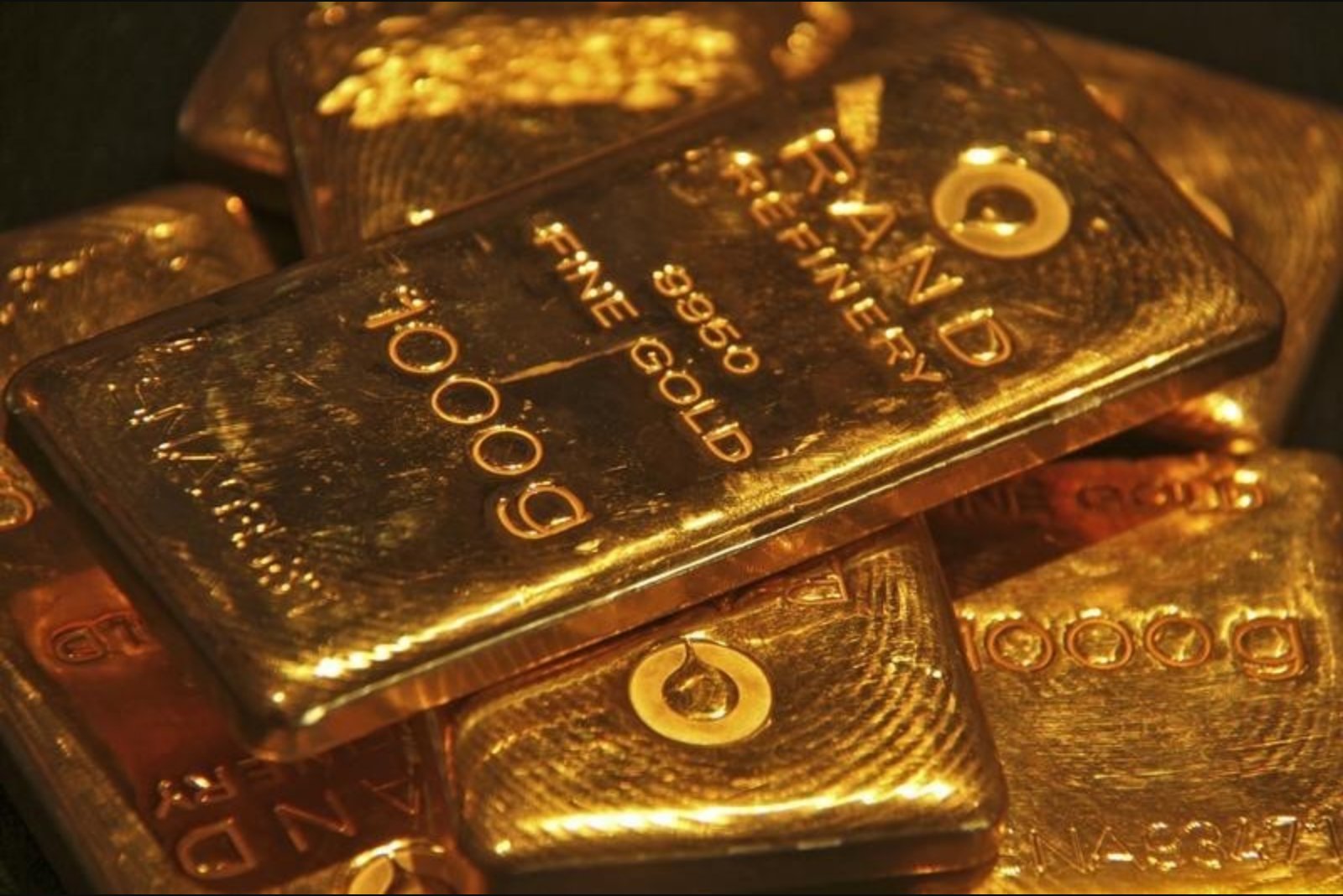
Gold continued to weaken in Asian hours on Thursday, trading close to its lowest levels in more than seven months as a stronger U.S. dollar and growing market expectations for further Federal Reserve tightening undercut demand for the non-yielding asset.
Prices and moves
Spot gold fell 0.7% to $3,970.47 an ounce by 22:17 ET (02:17 GMT). U.S. Gold Futures were down about 0.5% at $3,990.90.
The metal slipped beneath the $4,000-per-ounce threshold on Wednesday for the first time since November 2025. Compared with its January record high of $5,595.46 an ounce, gold has now declined nearly 30%.
Dollar strength and Fed expectations
The decline in bullion coincided with a U.S. dollar that remained near a 13-month high after recording six straight sessions of gains. That resilience in the dollar has been supported by rising market bets that the Fed could tighten policy later in the year.
According to CME FedWatch pricing referenced by market participants, there is roughly a one-third chance of a July rate increase and about a 66% probability of a rate hike by September. A stronger dollar makes dollar-priced gold more expensive for overseas buyers. At the same time, the prospect of higher interest rates raises the opportunity cost of holding gold, which pays no yield.
ING analysts summed up the shift in market focus, saying: "Gold’s weakness highlights the extent to which markets have shifted their focus from safe-haven demand towards the implications of higher interest rates and tighter financial conditions."
Broader reassessment of safe-haven demand
Traders and investors have also scaled back some of the safe-haven premium that had supported bullion earlier in the year. Easing geopolitical concerns - after reported progress in U.S.-Iran peace efforts - together with lower oil prices have removed elements of the risk premium that had buoyed gold.
Market participants were awaiting U.S. Personal Consumption Expenditures (PCE) data, the Fed's preferred inflation gauge, for further insight into the policy path.
Other precious metals
Silver slid 1.7% to $56.44 per ounce on Thursday after dropping more than 6% in the previous session. ING analysts observed: "While the silver market is expected to remain in deficit, some of the strongest demand drivers are becoming less supportive."
Platinum also softened, slipping 1.5% to $1,561.60 an ounce following a 4.5% decline on Wednesday.
Implications
The recent moves reflect a market reassessment in which monetary policy expectations and currency dynamics are outweighing some of the traditional drivers of safe-haven flows. Participants remain keyed to upcoming U.S. inflation data for additional clues on the Fed's likely path and the potential further impact on precious metals.