
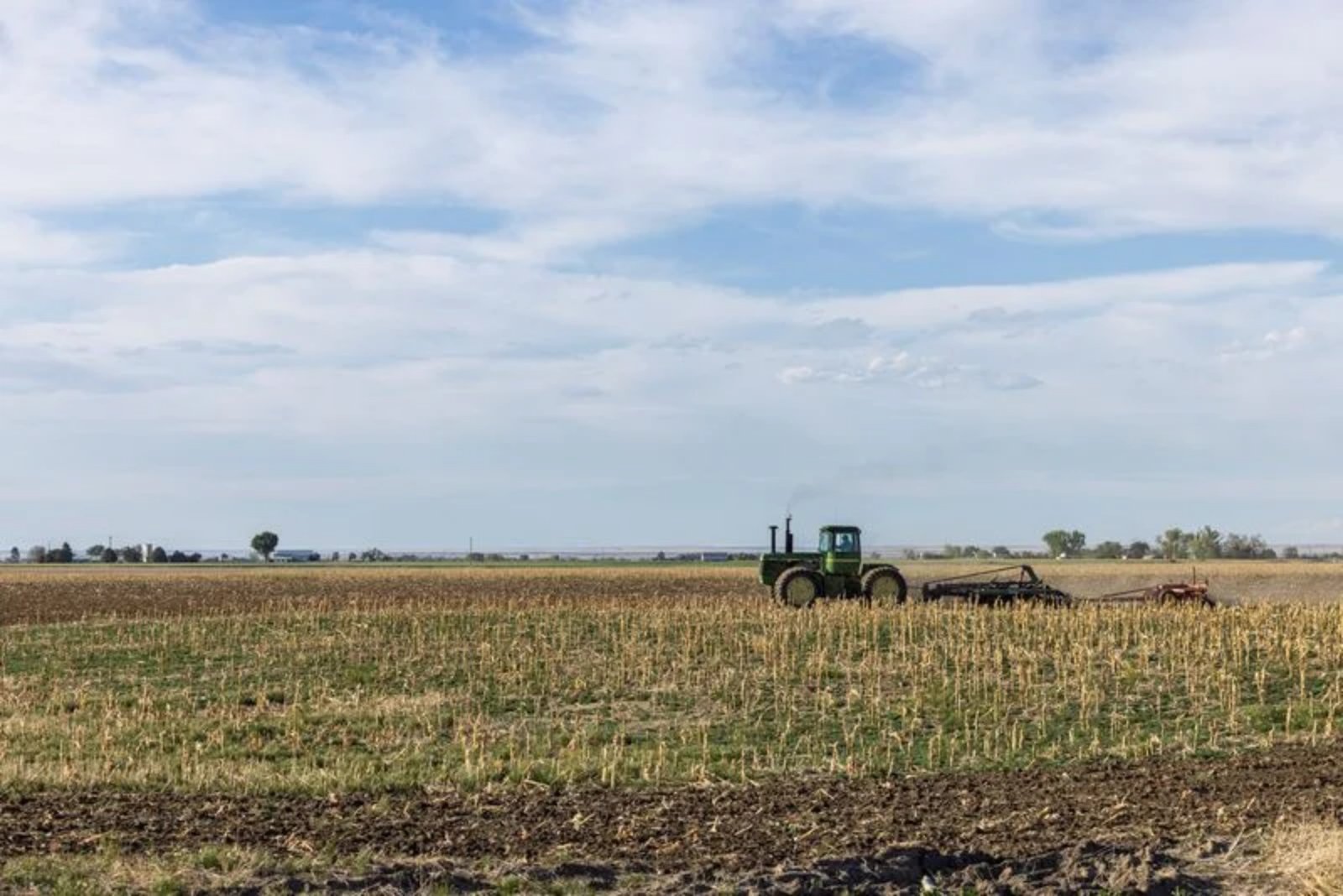
The administration has formally requested more than $11 billion in extra assistance for agricultural producers struggling with elevated production costs since the Iran war, according to a White House supplemental funding request. The package is intended to address sharply higher fuel and fertilizer prices that have weighed on farm margins this spring.
The new funding would supplement about $12 billion that the administration has already delivered to farmers earlier in the year. Those earlier disbursements were described by farm and industry groups as important for preparing operations for spring planting, though those groups said the previous payments were not sufficient to fully offset losses.
Within the request, $10 billion is earmarked for row and specialty crop farmers for crops planted in 2026, under authority identified in the document signed by the director of the White House Office of Management and Budget, Russ Vought. A separate allocation of $1.1 billion would be directed to Florida producers who suffered damage from winter storms in late 2025 and early 2026.
Fuel and fertilizer costs rose this spring, the request says, driven by shipping disruptions originating in the Middle East. The document notes that shipping flows have since improved after Washington and Tehran negotiated an initial plan earlier this month aimed at ending the conflict.
If Congress approves the request, U.S. Department of Agriculture projections would put total direct payments to farmers at about $55.4 billion for the year. That sum would represent roughly 33% of total farm income in 2026, a proportion the funding request cites as the highest share of direct payments since 2001, a point highlighted by Wesley Davis, a partner at Meridian Agribusiness Advisors.
Political considerations also underscore the request. Farmers are a reliably important voting bloc, and the administration faces pressure to support rural constituencies. Polling showed President Trump’s approval rating among rural Americans fell in June to 50%, down from 60% in February 2025.
The supplemental funding request frames the aid as targeted relief for sectors and regions hit hardest by recent input-cost inflation and weather-related losses. Lawmakers will now weigh the proposal in the context of broader budget priorities and the upcoming congressional calendar.
Key points
- $11 billion-plus supplemental request from the White House to support farmers facing higher fuel and fertilizer costs.
- $10 billion targeted at row and specialty crops for 2026 plantings; $1.1 billion for Florida farmers impacted by winter storms in late 2025 and early 2026.
- If approved, direct payments would total about $55.4 billion this year, representing roughly 33% of farm income in 2026.
Risks and uncertainties
- Congress may not approve the supplemental request, leaving farmers to absorb higher input costs without the proposed additional aid - affecting agricultural margins and commodity supply chains.
- Shipping and supply disruptions tied to the Iran war remain subject to change; improvements cited in the request could be temporary and influence fuel and fertilizer availability and prices.
- The political calculus is uncertain: changes in rural approval ratings could influence legislative support, but outcomes are not guaranteed.