
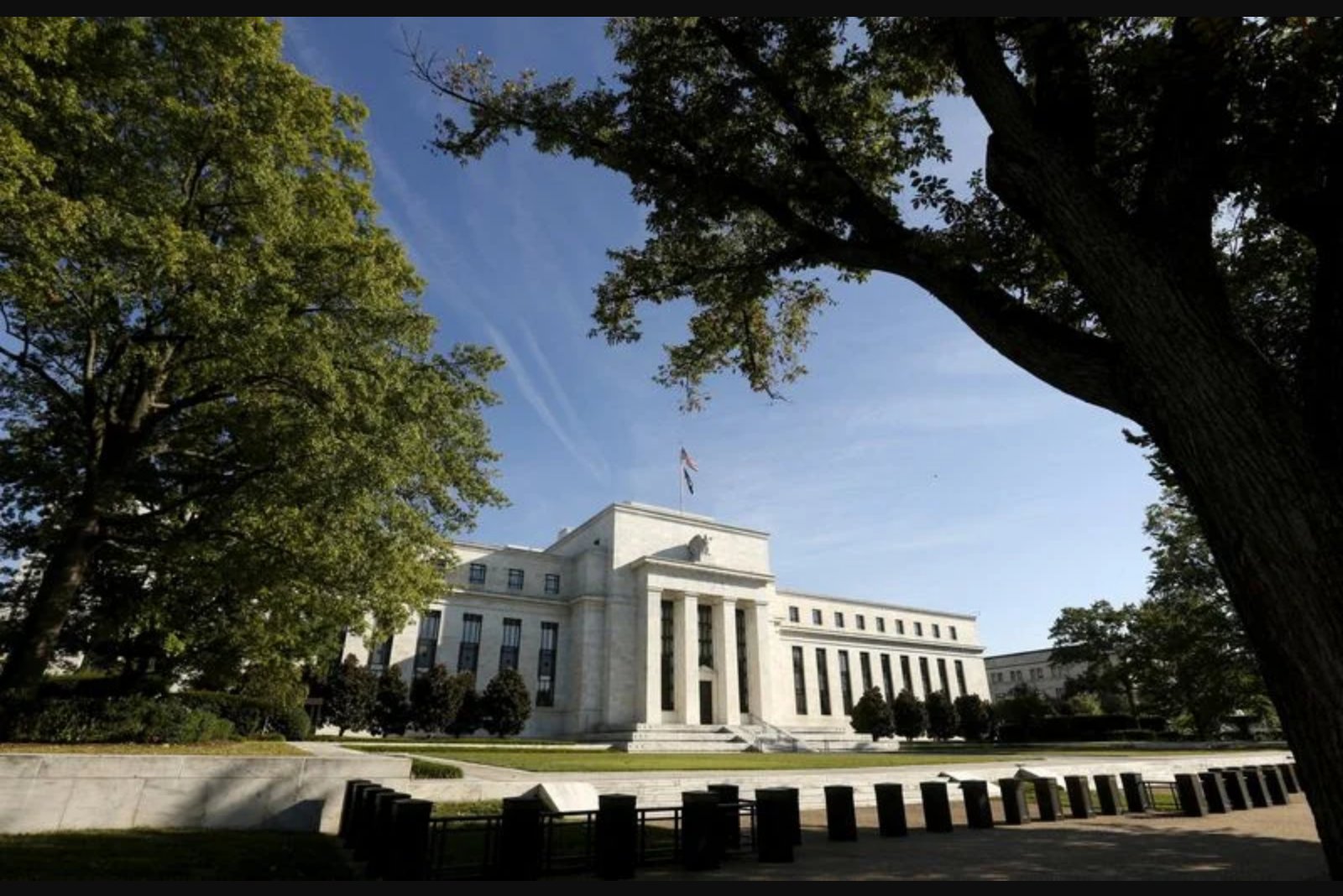
A Federal Reserve Bank of New York official cautioned observers against overinterpreting recent updates to the language used by the Federal Open Market Committee (FOMC) regarding the management of the central bank's balance sheet. The updated document, released on June 17 during the first meeting of the committee under new Chairman Kevin Warsh, explicitly reaffirmed the policy of maintaining ample reserves within the banking system. This phrasing has sparked some debate, with certain market participants viewing it as a potential indicator of a shift in the Fed's stance under Warsh, who is known for his skepticism regarding asset-buying programs.
During the Crane’s Money Fund Symposium held in Jersey City, New Jersey, on Wednesday, Dina Marchioni, the director of money markets for the New York Fed, addressed the implications of this language. She clarified that the statement does not signify a major alteration in the operational direction of the trading desk. Marchioni characterized the new wording as merely "clean-up language," asserting that Federal Reserve officials retain significant flexibility to adjust the pace of Treasury bill purchases in response to prevailing market liquidity conditions.
Recent operations by the Federal Reserve have involved the purchase of Treasury bills, a technical exercise aimed at ensuring sufficient cash in money markets to maintain the central bank's short-term interest rate target. This activity has contributed to a notable increase in the size of the Fed's balance sheet, which expanded from $6.5 trillion in December of last year to its current level of $6.7 trillion. While the pace of these purchases has been moderated from an initial rate of $40 billion per month to the current rate of $10 billion per month, the program continues to generate questions regarding its long-term trajectory.
Chairman Warsh has expressed a clear preference for a smaller balance sheet, viewing asset purchases primarily as tools for market stabilization and interest rate policy adjustment rather than permanent fixtures. His administration is currently reviewing the future of the reserve management buying program, with officials already indicating that the pace of such purchases will continue to react to market liquidity conditions.
Key Points
- Policy Clarification: New FOMC language reaffirms ample reserves, but NY Fed officials view this as minor adjustments rather than a strategic shift.
- Balancesheet Growth: The Fed's balance sheet has increased to $6.7 trillion from $6.5 trillion due to ongoing Treasury bill purchases aimed at managing market liquidity.
- Future Trajectory: Chairman Warsh favors a smaller balance sheet, and the pace of purchases has been reduced from $40 billion to $10 billion per month amid ongoing reviews.
Risks and Uncertainties
- Liquidity Management: The Fed must balance the need to maintain ample reserves with the goal of reducing the balance sheet, which could impact money market stability.
- Market Volatility: Any sudden changes in the pace of Treasury bill purchases could lead to liquidity shortages, affecting various sectors dependent on short-term funding.
- Policy Interpretation: Ambiguity surrounding the future of the reserve management program could create uncertainty for investors and financial institutions.
The ongoing debate highlights the complex interplay between monetary policy implementation and market expectations. As the Fed navigates these adjustments, stakeholders will continue to monitor developments in the banking system and broader economic indicators for signs of further policy shifts.