
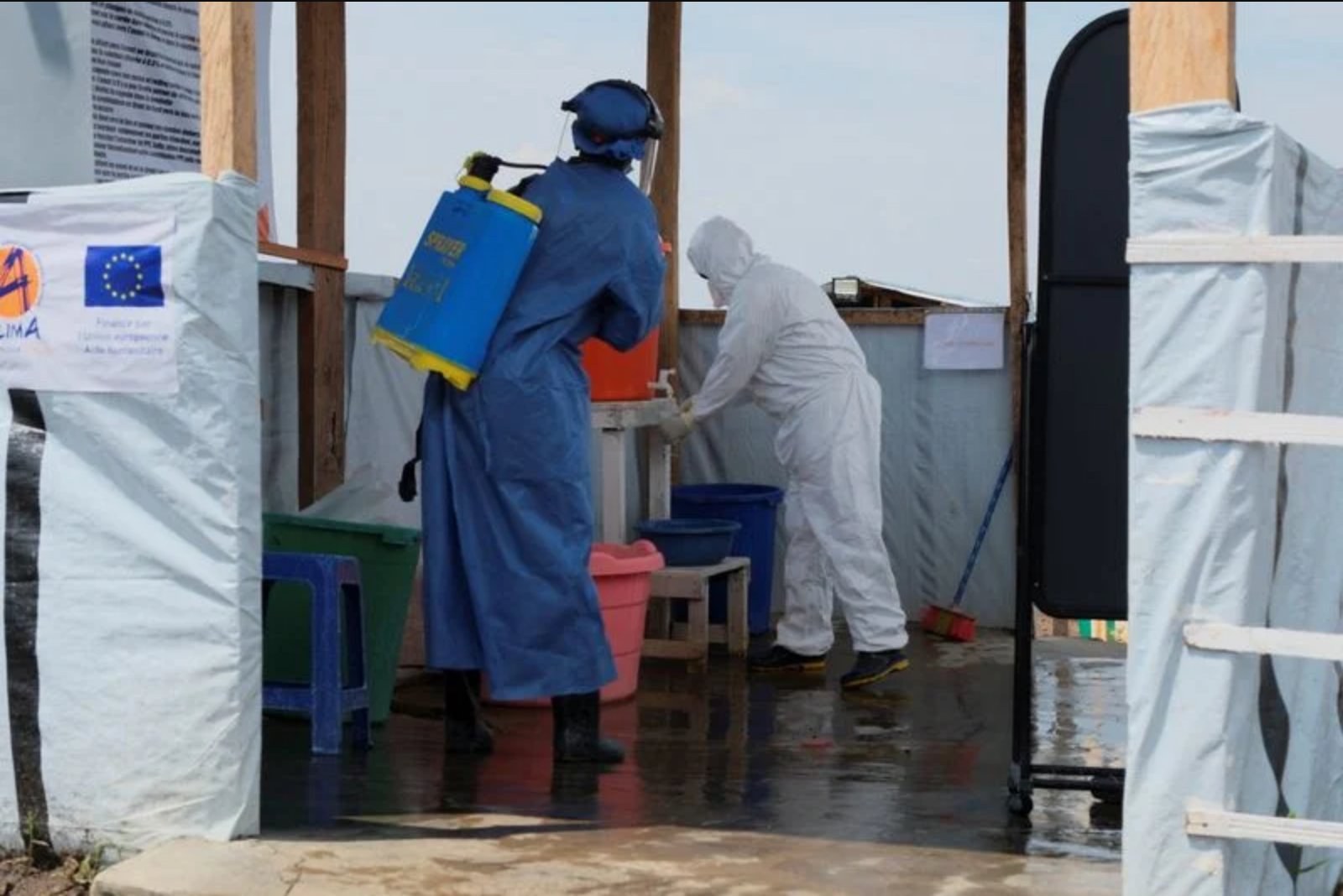
The White House has requested more than $1.4 billion in new emergency appropriations from Congress to confront the growing Ebola outbreak in the Democratic Republic of Congo, according to a Trump administration official. The supplemental funding package, delivered to lawmakers in a letter this week, divides the money across humanitarian, public health and diplomatic needs.
At the center of the request is $800 million designated for humanitarian crisis response. That portion, the official said, would cover a quarantine center in Kenya intended for Americans exposed to the virus, along with supplies, treatment, contact tracing, a regional logistics network and infection-control measures.
In addition to the humanitarian allocation, the administration is seeking $500 million in global health security funding. Officials describe this tranche as necessary to reduce the likelihood of transmission to the United States. The global health security funds would support disease surveillance, laboratory capacity, cross-border coordination and would enable potential partnerships with multilateral organizations and private sector entities, the official said.
A further $90 million in the package would be directed to diplomatic operations. That allocation is intended to finance activities such as evacuations and the transportation of U.S. citizens with Ebola to appropriate treatment facilities, the official said.
Congressional aides warned the supplemental could face headwinds in Capitol Hill negotiations. Some lawmakers - including members of the president’s own party - have expressed frustration that the administration has resisted spending money previously allocated for foreign assistance and medical programs overseas. Those aides said cuts to the U.S. Agency for International Development and to African public health efforts, enacted prior to the current outbreak, have drawn criticism for constraining the response.
The DRC outbreak is linked to the rare Bundibugyo strain of the Ebola virus and has, to date, infected more than 1,000 people and caused 267 deaths. The World Health Organization said this week that the number of confirmed cases within the first month of the current episode is the largest recorded for any Ebola event. The WHO characterization underscores the severity of the situation in public health terms.
Public health analysts with KFF, a health policy research group, said the size of the requested package appears aligned with the scale of resources typically required for a large outbreak response. "This is a very serious outbreak, and so a very serious response is needed now," said Josh Michaud, a public health analyst with KFF. Michaud noted that during a smaller DRC outbreak between 2018 and 2020, U.S. spending was roughly $266 million, and that the composition of proposed funding here matters, particularly the portion earmarked for the quarantine center in Kenya for American citizens.
The United States has already committed substantial resources to the response. On June 18, the U.S. Centers for Disease Control and Prevention announced it would make $107 million in emergency funding available to bolster domestic and international efforts and cautioned that this could become the worst outbreak to date. The U.S. has also supplied doses of an experimental antibody drug for use in clinical trials, marking a shift from a prior position of limiting access to that drug to American nationals only.
Cases tied to the outbreak have appeared outside Africa. In France, health authorities confirmed that a doctor who recently returned from a humanitarian mission in the DRC tested positive for Ebola, becoming the first confirmed European case linked to this outbreak. At the same time, WHO Chief Tedros Adhanom Ghebreyesus told reporters that the risk of further international spread was low.
From a funding and policy perspective, the request highlights several contested areas. Lawmakers will weigh the size and composition of the package against fiscal priorities and prior spending choices. The inclusion of a high-dollar quarantine center in Kenya and the balance between immediate humanitarian needs and longer-term global health security efforts are likely to be central points of debate. Congressional scrutiny of prior cuts to USAID and African public health programs adds a political dimension that may complicate swift approval.
For now, the request represents the administration’s formal appeal to Congress for resources authorities say are required to support containment, treatment and logistical operations related to the outbreak while attempting to prevent spillover beyond the region.