
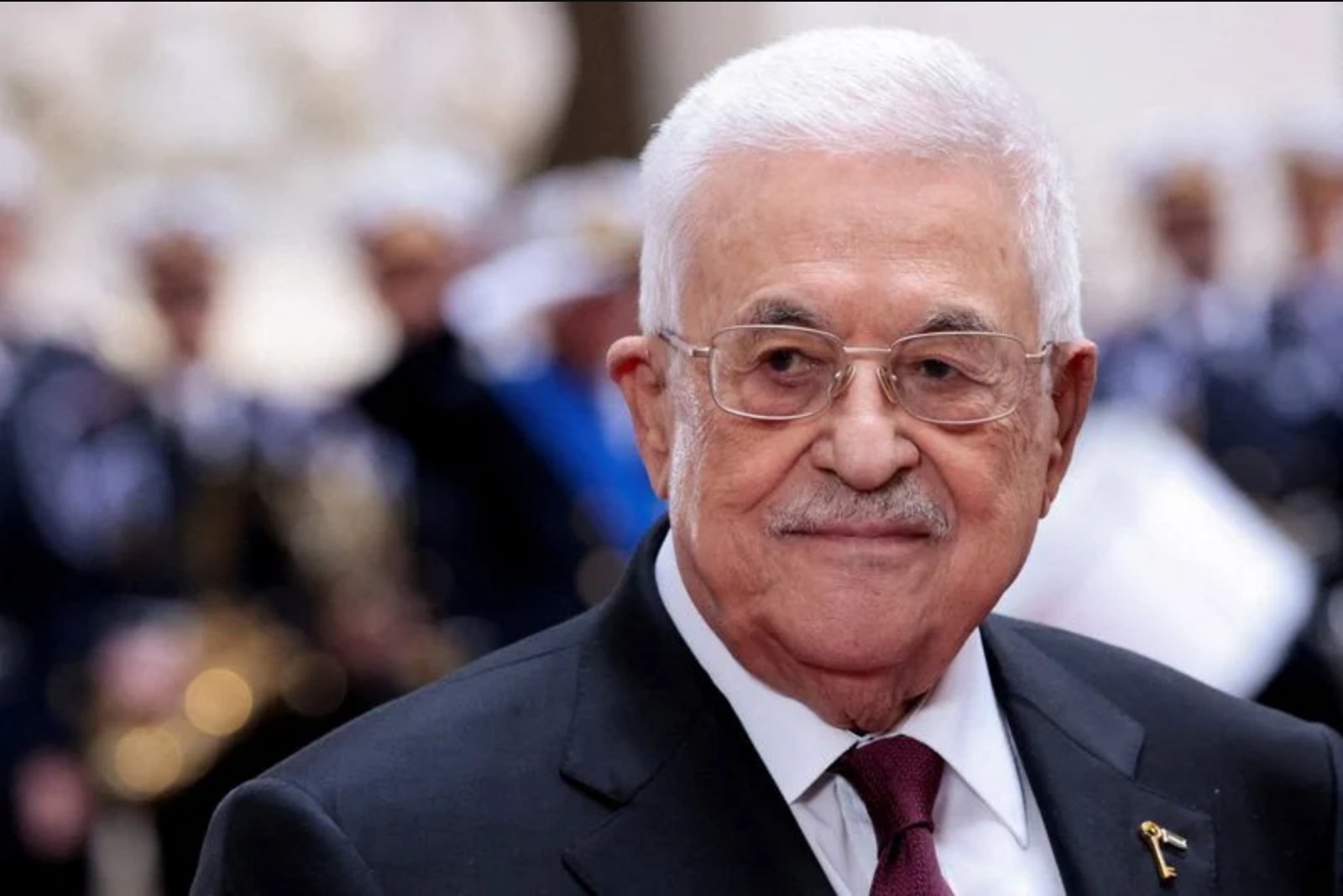
Palestinian President Mahmoud Abbas issued a decree on Saturday postponing legislative elections that were scheduled for next month and scheduling a presidential vote for September 11, 2027. The measure, published by the official Palestinian news agency WAFA, attributed the delay to "obstacles posed by Israeli measures" and the need to establish political, security and on-the-ground conditions considered necessary for "free, fair and inclusive elections."
The decree named a range of factors that it said impeded preparations for a vote this November. Among those cited were Israeli military operations, settlement expansion, settler violence and movement restrictions across the West Bank, including East Jerusalem. It also pointed to Israel's continued withholding of Palestinian tax revenues as a complicating factor for organizing the elections.
Addressing the situation in Gaza, the decree described "exceptional security and humanitarian conditions," an incomplete withdrawal of Israeli forces, limited progress on reconstruction and the failure to implement arrangements for deploying international stabilisation forces and police. It said restrictions imposed by Israel on access for election commission staff and international observers to Gaza and East Jerusalem further complicated preparations.
The decree called explicitly on Palestinians in East Jerusalem, the West Bank and Gaza to participate in the elections when they are held. It also said the decision emerged after consultations with Palestinian factions and political forces and was intended to create time for a comprehensive Palestinian national dialogue to strengthen unity and tackle challenges confronting the electoral process.
Reaction from Israeli officials was swift. In a post on X, Israeli Foreign Minister Gideon Saar rejected the rationale provided by Abbas and described the explanation as "yet another ridiculous lie designed to evade responsibility and accountability." Saar highlighted that the last Palestinian parliamentary and presidential votes took place two decades ago.
There had been widespread doubts that the Palestinian Authority would be able to proceed with the vote next month. The Palestinians have not held legislative or presidential elections since 2005-2006, after which the rival Islamist movement Hamas seized control of Gaza, displacing Abbas' loyalists. Abbas has governed by decree since his presidential mandate expired in 2009.
Earlier this year the Palestinian Authority conducted municipal elections in April in the West Bank and in Deir al-Balah in central Gaza, the only Gazan locality to take part. That vote was noted as the first election in Gaza since 2006.
Two Palestinian officials told Reuters on Thursday that leaders of Abbas' Fatah movement and of rival Hamas had agreed at a meeting in Cairo on Wednesday to postpone the planned ballots. The decree itself referenced the consultations with Palestinian factions in explaining the decision to set new dates for both legislative and presidential contests.
Public opinion indicators cited in reporting also pointed to political challenges. An August poll by the West Bank-based Palestinian Center for Policy and Survey Research (PSR) showed declining support for both Hamas and Fatah, reflecting popular frustration in Gaza and the West Bank over continuing political divisions.
The postponement comes weeks after Abbas had publicly reaffirmed his intention to hold the November elections during his September 24 address to the UN General Assembly, where he sought support for internationally backed reforms. He had also made written commitments to French President Emmanuel Macron and to Saudi Crown Prince Mohammed bin Salman to hold presidential and legislative elections as part of France's recognition of a Palestinian state in September 2025.
France's foreign ministry, as noted in reporting, said that holding the elections was essential and welcomed the launch of a European Union election observation mission.
The decree and its justifications underline several persistent obstacles cited by Palestinian authorities: Israeli security operations and movement restrictions in the West Bank and East Jerusalem, contested access to Gaza for election-related personnel and observers, unresolved reconstruction and humanitarian challenges in Gaza and a continuing dispute over Palestinian tax revenues withheld by Israel.
By setting a uniform date of September 11, 2027 for both the legislative and presidential ballots, the decree seeks to link the two contests and allow what it described as time for internal political reconciliation and preparations. How those aims will be achieved and how external actors will respond remain matters the decree itself acknowledges as unresolved.