
World April 16, 2026 10:33 PM

Seoul Says It Has No Record of U.S. Protest Over Minister’s Comments on Kusong Nuclear Site

Unification Ministry says explanation was provided and accepted; South Korean newspaper reported U.S. displeasure and possible limits on intelligence sharing

By Ajmal Hussain
Seoul Says It Has No Record of U.S. Protest Over Minister’s Comments on Kusong Nuclear Site

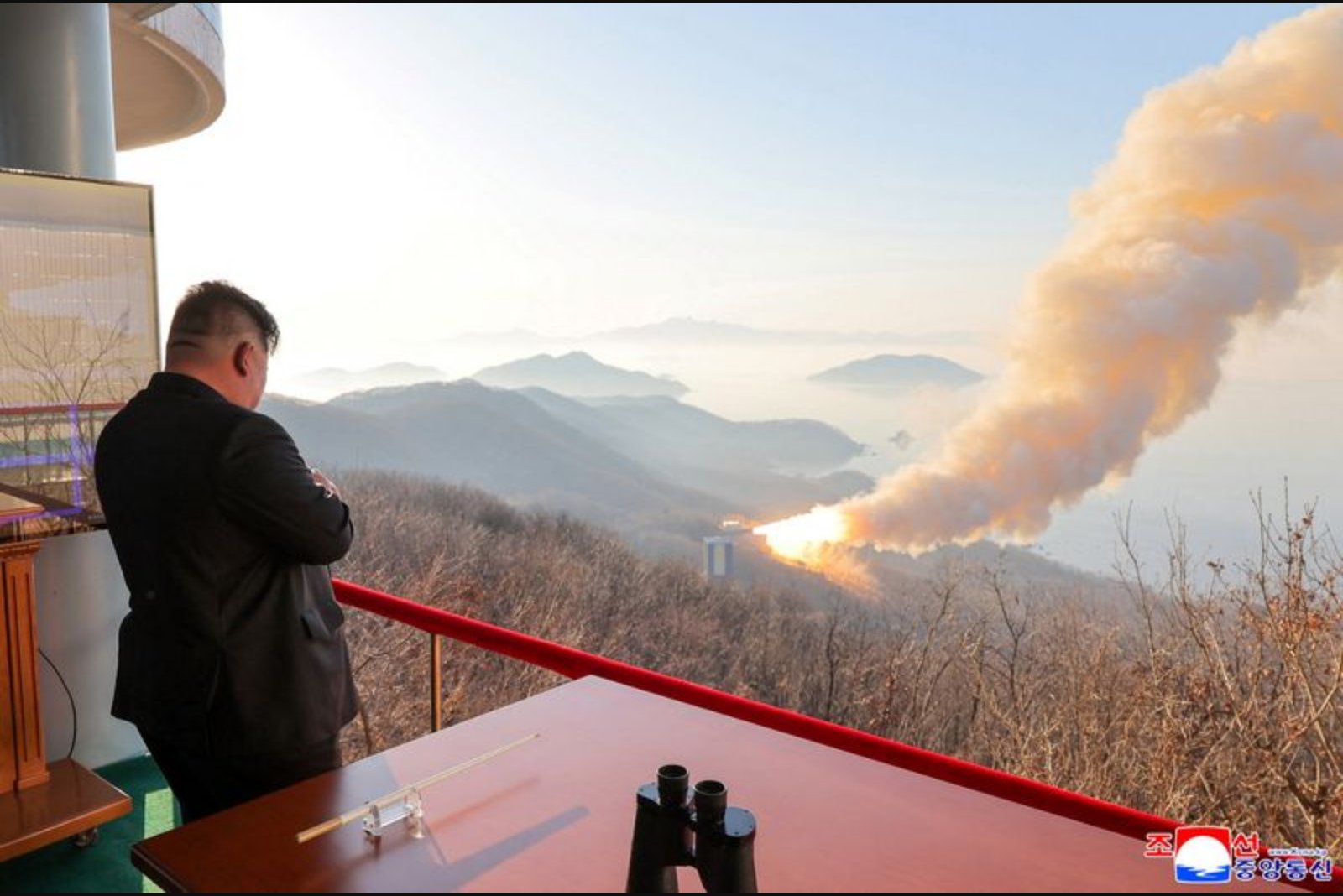
South Korea's Unification Ministry on Friday stated it was unaware of any formal U.S. protest or restrictions on intelligence cooperation after a report said Washington was unhappy about public remarks by Minister Chung Dong-young regarding a previously unconfirmed North Korean nuclear facility at Kusong. The ministry said it had explained that the minister's comments were drawn from publicly available sources and understood that U.S. officials accepted that explanation. A South Korean newspaper had reported U.S. frustration and potential partial limits on sharing North Korea-related intelligence.

Key Points

  • South Korea's Unification Ministry says it is unaware of any U.S. protest or restrictions on intelligence sharing after Minister Chung's comments about Kusong; the ministry said it had explained the remarks to the U.S. embassy and believed the explanation was accepted - sectors impacted: diplomacy, defense, intelligence.
  • A Dong-A Ilbo report cited sources saying Washington had signaled partial restrictions on sharing North Korea-related intelligence with Seoul, framing Chung's remarks as the trigger amid broader bilateral disagreements - sectors impacted: intelligence, defense.
  • Chung told a parliamentary committee he cited IAEA chief Rafael Grossi in saying Kusong was an enrichment site, but the IAEA transcript shows Grossi mentioned only Yongbyon and Kangson, not Kusong - sectors impacted: international organizations, security analysis.

South Korea's Unification Ministry said on Friday it had no knowledge of any formal protest from the United States or any curtailment of intelligence sharing after reports that Washington was unhappy about the disclosure of a previously unconfirmed North Korean nuclear site.

The ministry said it had informed the U.S. side that Minister Chung Dong-young’s public remarks about a North Korean facility in Kusong were based on publicly available material, including international research reports. Officials said they understood that the U.S. had accepted that explanation.

A report in the Dong-A Ilbo cited sources in both South Korea and the United States, saying Washington had expressed displeasure to Seoul after Chung told lawmakers on March 6 that North Korea was operating a uranium enrichment site in Kusong in addition to the more widely known facilities at Yongbyon and Kangson. The newspaper also reported that the United States had signaled it would partially restrict the transfer of North Korea-related intelligence to South Korea, and framed Chung’s public remarks as the proximate trigger amid broader accumulated U.S. frustration over a range of bilateral foreign and security disagreements.

At a press briefing, a ministry spokesperson said the ministry had "sufficiently explained the background" behind Chung’s comments following an inquiry from the U.S. embassy in Seoul, and that it understood "the U.S. side had accepted" the explanation. The spokesperson added the ministry was not aware of any protest or measures by the United States to limit intelligence sharing.

In separate remarks to Reuters, ministry officials said that even if there had been any U.S. actions, they did not believe such measures would be directly attributable to the minister’s statements.

The U.S. embassy in Seoul did not immediately provide a comment when asked.

Chung had told a parliamentary committee in March that North Korea was enriching weapons-grade uranium at Yongbyon, Kangson and Kusong, and said he was citing remarks by International Atomic Energy Agency chief Rafael Grossi at that month’s board of governors meeting. However, the IAEA transcript of Grossi’s introductory statement records mention only of facilities at Yongbyon and Kangson, with no reference to Kusong.


Context and implications

The Unification Ministry’s response emphasizes that the minister’s comments were based on publicly available sources, and that Seoul believes it has satisfied inquiries from the U.S. embassy. The contrasting report in the Dong-A Ilbo raised the possibility of diplomatic friction and potential constraints on intelligence flows between the United States and South Korea, though Seoul says it has no record of such measures.

At this stage, U.S. officials have not publicly confirmed any protest or intelligence restrictions.

Risks

  • Potential misalignment or frictions in U.S.-South Korea intelligence cooperation could affect defense and security planning between the allies if restrictions were enacted - markets/sectors affected: defense contractors, security services.
  • Conflicting public statements and differing interpretations of international agency remarks may create uncertainty for regional diplomatic coordination and intelligence assessments - markets/sectors affected: geopolitical risk-sensitive investments and policy-driven sectors.
  • Lack of confirmation from the U.S. embassy leaves an element of uncertainty about Washington's position, which could prolong diplomatic ambiguity - markets/sectors affected: foreign policy-dependent sectors and risk assessment services.

More from World

Minnesota Prosecutors Charge ICE Agent in Highway Shooting Incident Apr 16, 2026 Myanmar Orders Release of 4,335 Prisoners in Latest Amnesty Apr 16, 2026 China Walks a Diplomatic Tightrope on Iran as Xi Prepares for Trump Summit Apr 16, 2026 Forty Nations to Discuss Multinational Plan for Reopening Strait of Hormuz When Hostilities End Apr 16, 2026 Acting ICE Director Todd Lyons to Exit Agency in June, Sources Say Apr 16, 2026