
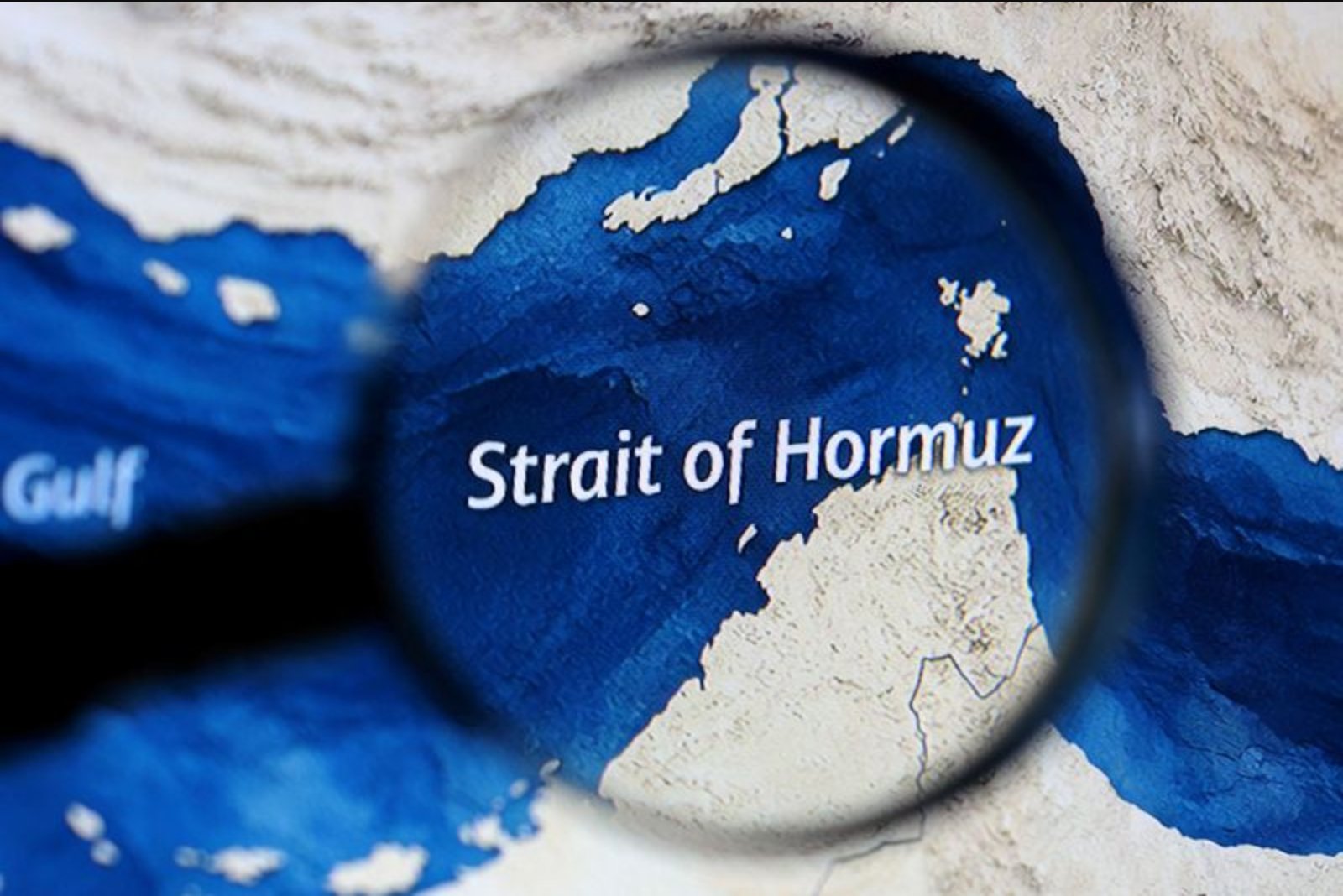
France and Britain will co-chair a meeting on Friday attended by roughly 40 countries to demonstrate to the United States that some of its closest partners are prepared to assist in restoring freedom of navigation in the Strait of Hormuz once the security environment allows.
The strait has been largely closed to foreign shipping since the outset of U.S.-Israeli air strikes on February 28, with Iran restricting passage to its own vessels. On Monday, Washington imposed a blockade on ships entering or leaving Iranian ports. U.S. President Donald Trump has urged other states to help enforce that blockade and has publicly criticised NATO allies for not taking on that role.
European capitals, including Britain and France, have responded that participating in an active blockade would amount to entering the war, but they have expressed readiness to contribute to keeping the strait open once a lasting ceasefire or the end of the conflict makes such operations feasible.
For now, the initiative under discussion excludes both the United States and Iran from the planning table, though European diplomats say any realistic operation would ultimately require coordination with both Washington and Tehran. Delegates were told Washington will be briefed on the outcome of the talks.
According to a note circulated to invited participants, the meeting has several objectives: to restate firm diplomatic backing for unfettered navigation through the Strait of Hormuz and the necessity of adhering to international law; to examine economic pressures confronting the shipping sector; and to address the welfare and safety of more than 20,000 seafarers and commercial vessels that remain stranded.
Attendees will also review preparations for a strictly defensive multinational military deployment to guarantee freedom of navigation when the conditions for such an operation are met. Organisers expect to issue a chair's statement at the close of the meeting to provide a clearer picture of what that mission could look like, although the statement is not expected to specify which countries would contribute forces.
President Emmanuel Macron, British Prime Minister Keir Starmer, German Chancellor Friedrich Merz and Italian Prime Minister Giorgia Meloni are due to attend in person in Paris. Additional officials from across Europe, Asia and the Middle East will participate via video conference. China has been invited to take part, although participation was not confirmed.
Diplomats cautioned that the proposed mission might never be needed if the situation in the Strait of Hormuz returns to normal. Conversely, shipping companies and insurers could seek reassurance from such a deployment during any transitional phase as safe passage is restored.
Speaking to reporters, a senior French official outlined the range of capabilities that could form part of the multinational effort: "It can involve intelligence sharing, mine-clearance capabilities, military escorts, information procedures with neighbouring countries and more," the official said. He added: "The objective is clear, and the resources deployed will naturally depend on the situation."
British officials said that Friday's discussions would feed directly into a multinational military planning meeting scheduled for next week, indicating a rapid follow-up on planning and coordination among interested states.
This meeting aims to balance diplomatic signalling with operational planning: signalling to Washington that allies are prepared to assist in reopening a critical maritime corridor once hostilities cease, while limiting current commitments so as not to be perceived as taking sides in an ongoing conflict. The emphasis on a strictly defensive posture and on eventual coordination with both the United States and Iran reflects an attempt to align political caution with practical planning for maritime security.