
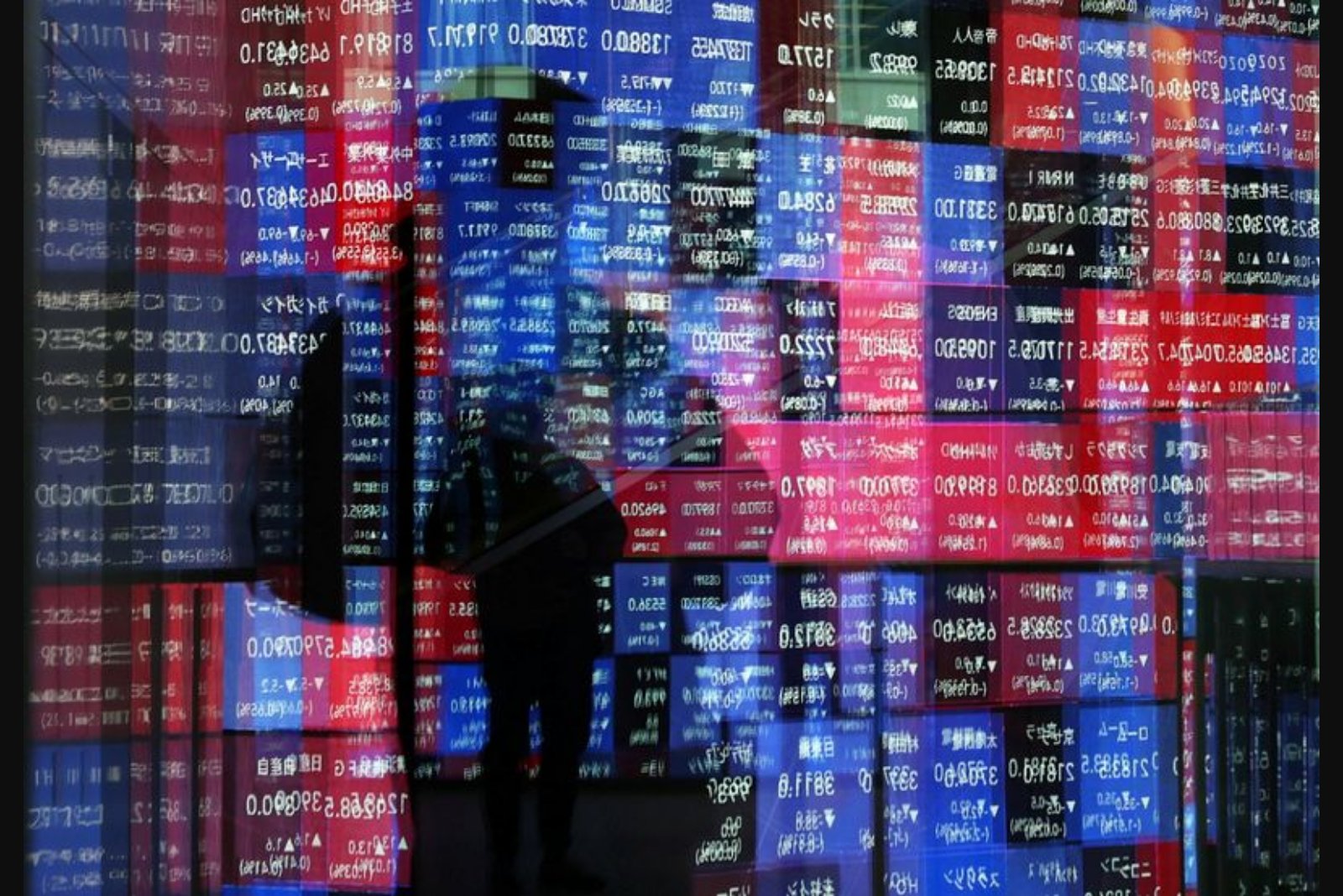
Asian equity markets were positioned to register a second consecutive week of notable gains as oil prices fell back below the psychologically important $100-a-barrel level, driven by investor hopes for a near-term easing of tensions in the Middle East. Optimism built on recent diplomatic gestures, although a key maritime chokepoint for global energy flows remains shut.
On Thursday a 10-day ceasefire between Lebanon and Israel took effect, and President Donald Trump said the next meeting between the United States and Iran may be held over the coming weekend - the same weekend the current ceasefire will expire. Those developments helped push crude prices down: Brent crude futures slid more than 1% to $98.14 a barrel, while U.S. West Texas Intermediate futures dropped 1.6% to $93.15 a barrel.
Despite the pullback in oil, not all Asian cash markets were uniformly higher. MSCI’s broadest index of Asia-Pacific shares outside Japan fell 0.6% in early trade, though it remained close to the highest level seen since March 2, which was the first trading day after the Iran conflict began. The index has rallied sharply in April, up 14.5% month-to-date after a 13.5% decline in March. Japan’s Nikkei retreated 0.9% in early trading following a record high reached on Thursday.
Market behavior over the past fortnight has surprised some fixed income and macro strategists. Andrew Chorlton, chief investment officer for public fixed income at M&G, noted the speed with which markets have appeared to look past both the conflict and the associated energy shock. "There’s quite a strong contrast between what policymakers and central bankers are saying about the risks that this (conflict) is creating versus what the market is implying," he said. "That seems somewhat complacent. It seems unlikely that there shouldn’t be some additional risk premium priced in, either to growth or to inflation."
Currency moves reflected shifting safe-haven flows. The U.S. dollar, which benefited from haven demand in March, has given back those gains. The euro traded at $1.1779, a touch below a seven-week high seen in the prior session. The dollar index, which measures the greenback against a basket of currencies including the yen and the euro, was quoted at 98.24 - near its lowest level since March 2 - after recording eight consecutive sessions of declines through Wednesday.
Other currencies tracked risk sentiment. The yen was steady at 159.32 per dollar, while the Australian dollar - a risk-sensitive currency - fetched $0.7163, remaining close to a four-year high hit on Thursday.
U.S. equities continued to nudge higher: the S&P 500 and the tech-heavy Nasdaq each posted modest gains, closing at record highs for a second straight session on Thursday. Market strategists cautioned, however, that further upside in equities hinges on more durable signs of de-escalation. "I think equity markets are remaining positive and some solid U.S. earnings have helped, but - and it’s a big but - we need to see some concrete evidence that peace is going to last," said Nick Twidale, chief market strategist at ATFX Global. "And to me, that is a full reopening of the Strait, or we could see some substantial corrections in global stocks in the coming days and weeks."
The continued closure of the Strait of Hormuz - the sea route through which roughly a fifth of the world’s oil and gas normally transits - remains a central source of uncertainty. Its closure has been linked to the most severe oil price shock on record and prompted the International Monetary Fund to lower its outlook for the global economy, warning that a prolonged conflict could push the world to the brink of recession.
For now, investors appear to be balancing improved near-term diplomatic signals against the underlying structural threat posed by the still-closed waterway and the potential for renewed hostilities once temporary ceasefires expire. That balance is being reflected across energy, equity and currency markets as traders weigh whether recent moves represent a real turning point or a fragile reprieve.