
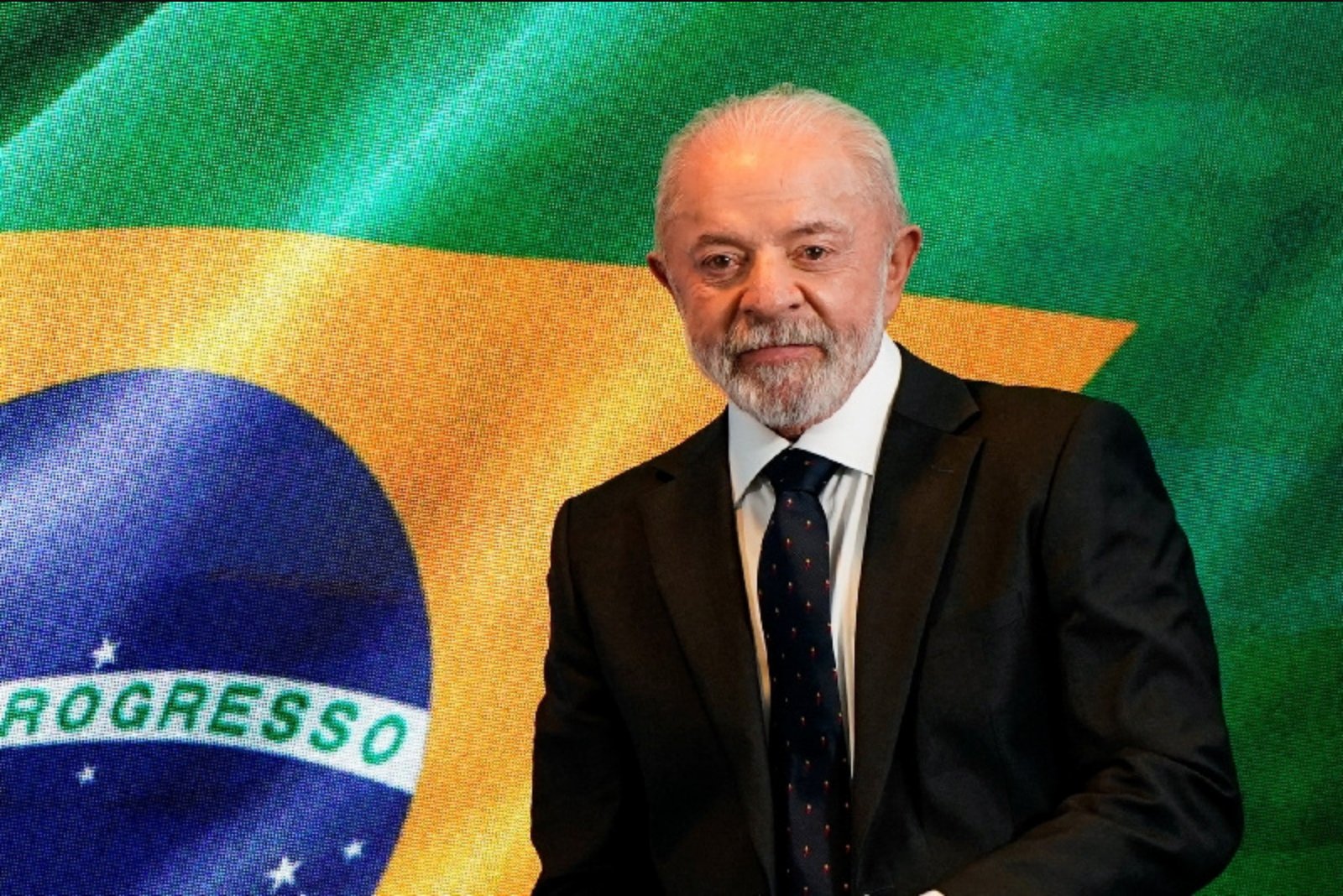
SAO PAULO, May 16 - A fresh Datafolha survey released on Saturday shows that a head-to-head second-round contest between incumbent President Luiz Inacio Lula da Silva and Senator Flavio Bolsonaro would be tied, with each candidate polling 45% of voter intentions.
The poll also details first-round preferences, where Lula would lead with 38% and Flavio would take second place with 35% of the vote, according to responses gathered from 2,004 voters.
Datafolha's new figures confirm continuity with the April survey in which Lula was reported at 45% and Flavio at 46% in a hypothetical runoff; that earlier result was described as a statistical tie because the poll’s margin of error is roughly two percentage points.
Survey organizers noted that the bulk of interviews for the current poll were conducted prior to publication of an investigative piece by Intercept Brasil that outlined questions about the senator’s dealings with former banker Daniel Vorcaro.
The reporting cited in that story alleges Flavio negotiated the receipt of 134 million reais to be provided by Vorcaro, who formerly owned Banco Master, purportedly to fund a film about the life of Flavio’s father, former President Jair Bolsonaro. Vorcaro is currently detained while authorities investigate a scandal tied to the collapse of Banco Master.
Flavio Bolsonaro has rejected any allegation of wrongdoing in connection with his relationship with Vorcaro. The article also reports that Vorcaro’s defense team declined to comment on the Intercept Brasil account.
For reference, the poll includes an exchange-rate note: 1 US dollar equals 5.06 Brazilian reais.
Context and interpretation
The Datafolha numbers show a tightly contested presidential landscape in the event of an October runoff between Lula and Flavio Bolsonaro. The first-round standings and the narrow margin in the prior poll underscore the persistence of uncertainty among voters. The timing of when interviews were conducted relative to the reporting on the alleged financial arrangement is a relevant procedural detail that could affect future measurements of voter sentiment.