
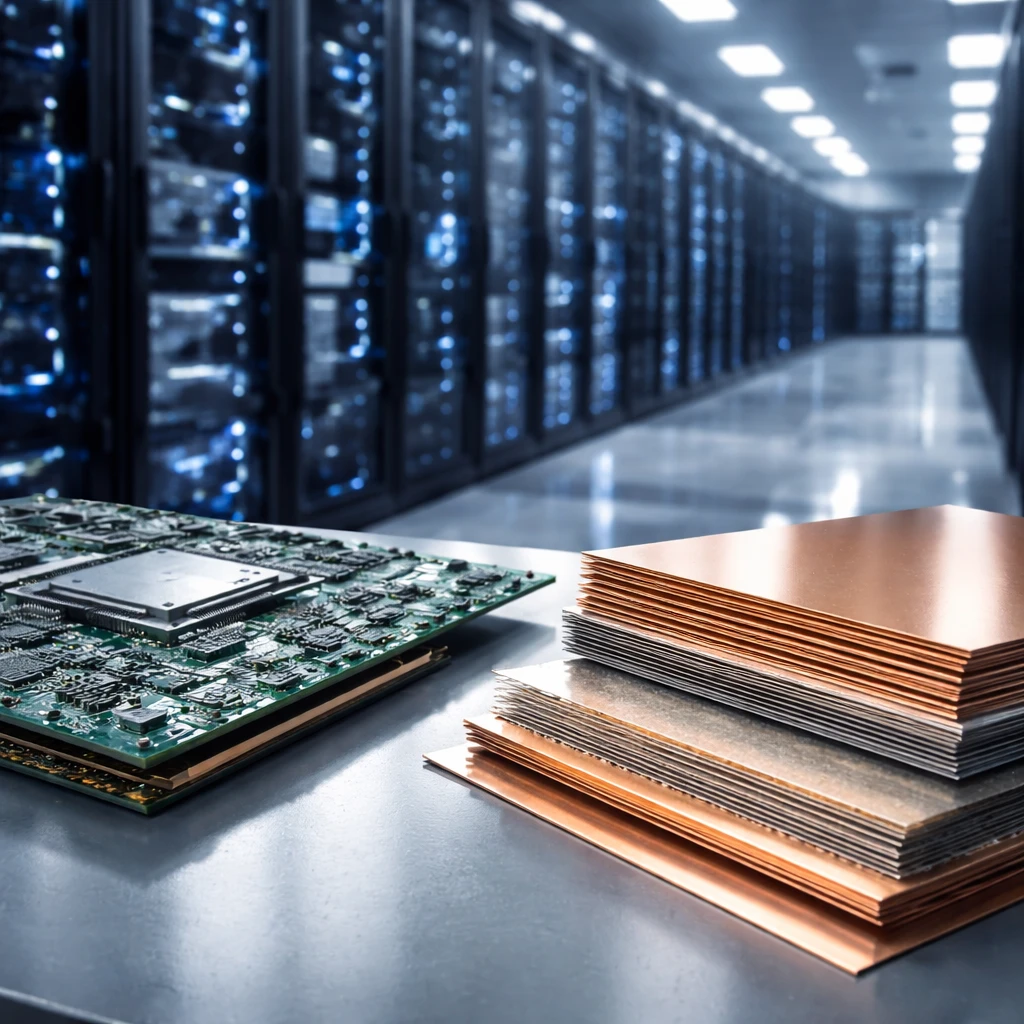
Mizuho has flagged a group of Japanese component and materials suppliers it expects to gain from growing demand for high-core server central processing units (CPUs) fueled by artificial intelligence workloads. The bank emphasized a range of vendors - from substrate producers to specialty glass and advanced materials manufacturers - as positioned to benefit as data centers increase CPU core counts.
Mizuho's thesis - The bank singled out specific segments of the supply chain that should see upside if agentic AI drives broader adoption of higher-core-count server CPUs. Mizuho highlighted substrate makers, T-glass producers and advanced materials companies as key parts of the chain that could capture durable demand linked to the server upgrade cycle.
Companies identified
- Ibiden - Mizuho described the substrate maker as a potential beneficiary of stronger demand for high-core server CPUs across both x86 and ARM architectures. The bank said Ibiden could be in a position to lock in long-term supply agreements and implement price increases as agentic AI drives CPU core growth.
- Nittobo - The T-glass manufacturer was cited as well positioned to capture demand tied to the buildout of high-core server CPUs. Mizuho noted T-glass as a central element of its bullish materials thesis for 2026 and 2027, and said the CPU core story related to agentic AI may be an underappreciated driver of demand.
- Ajinomoto - The producer of ABF film used in advanced chip packaging was listed among Japanese supply-chain names that could benefit from surging server CPU demand. Mizuho stated the company may have the ability to secure long-term supply deals and push through price increases.
- Mitsui Kinzoku - The maker of microthin copper foil was identified as another Japanese materials supplier likely to benefit from accelerating adoption of high-core CPUs in data centers. The bank attributed its positive outlook in part to demand from both x86 and ARM-based server platforms.
- Resonac - As a supplier of copper clad laminate used in printed circuit boards, Resonac rounded out the group Mizuho highlighted. The bank said the broader supply chain stood to gain as CPU core counts rose and agentic AI workloads expanded.
Supply-chain implications - Mizuho's selections reflect a focus on upstream materials and component suppliers whose products are integral to advanced server packaging and PCB production. The bank's commentary centers on the interplay between architectural shifts to higher-core CPUs across x86 and ARM and the resulting demand for substrates, specialty glass, ABF film and thin copper materials.
Conclusion - Mizuho believes these five Japanese firms sit in parts of the supply chain that could see tangible upside if AI workloads continue to push server CPU core counts higher, with potential for long-term contracts and pricing leverage cited as specific outcomes the bank expects some suppliers may achieve.