
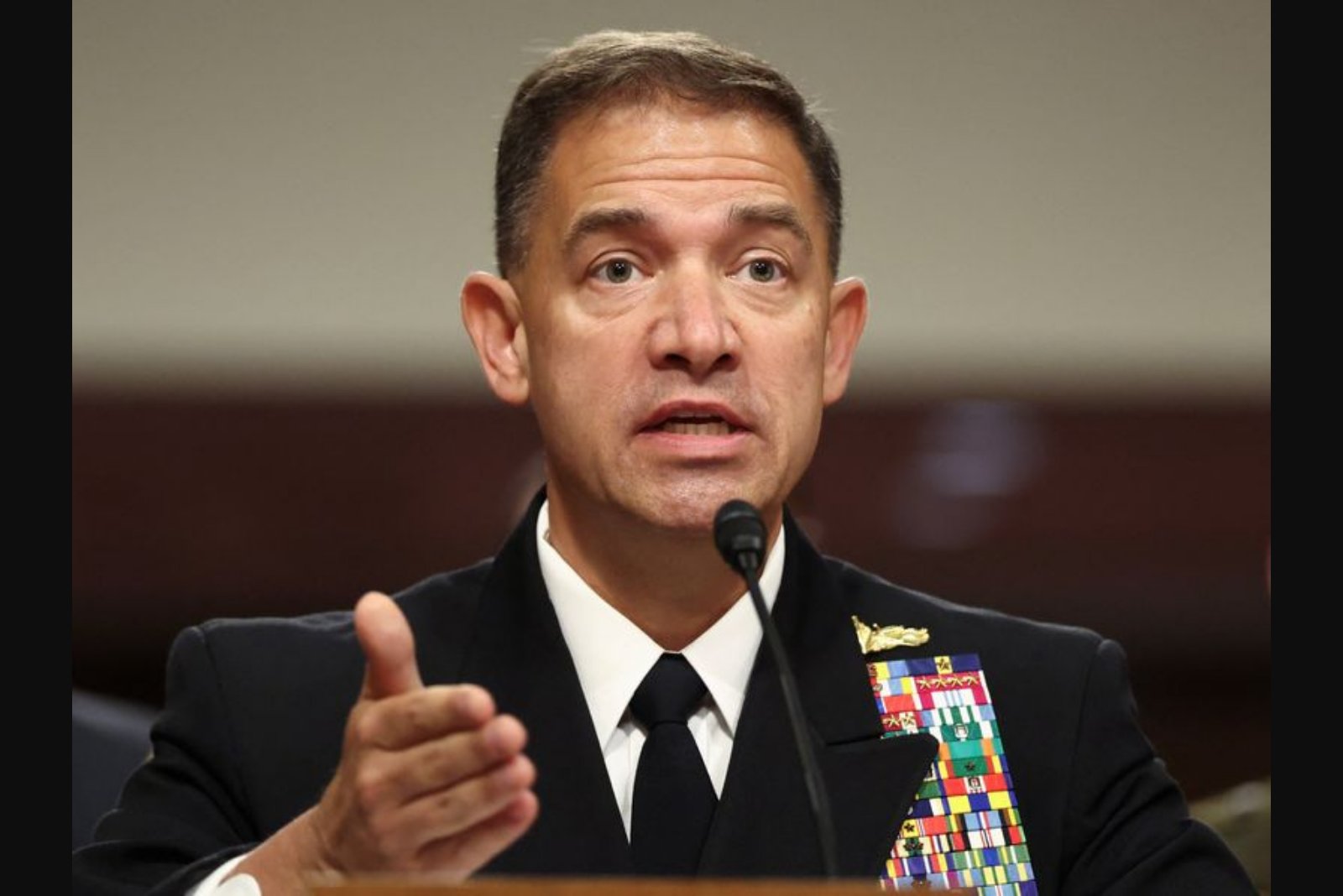
WASHINGTON, May 14 - Admiral Brad Cooper, commander of U.S. Central Command, told a U.S. Senate committee on Thursday that U.S. military strikes had substantially degraded Iran's ability to threaten regional states and American interests. Cooper said the campaign has inflicted heavy damage on Iran's defense industry, which he estimated was set back by 90 percent.
Speaking to senators, Cooper emphasized the tactical successes of the campaign that Central Command has overseen and framed those results as a materially reduced danger from Iran across the broader Middle East. He asserted that the threat posed by Iran has been curtailed in multiple operational domains.
"Iran has a significantly degraded threat, and they no longer threaten regional partners, or the United States, in ways that they were able to do before, across every domain," Cooper said. "They’ve been significantly degraded."
Cooper also addressed Iran's ability to supply its principal regional allies. He said the capacity to move arms and other resources to Hezbollah in Lebanon, the Houthis in Yemen and Hamas in Gaza has been disrupted. "Those transfer paths and methods have been cut off," he told the committee.
When asked about multiple media reports that cited U.S. intelligence indicating Iran had kept substantial missile and drone stocks by storing them in underground facilities, Cooper declined to directly respond to those accounts. The reports are described in those news stories as drawing on U.S. intelligence sources; Cooper did not confirm or deny those specific reporting details during his testimony.
Throughout his remarks, Cooper sought to underscore the operational outcomes attributed to the recent strikes, presenting them as having degraded Iran's capabilities both to strike others and to arm partner groups in the region. His testimony focused on the effects of the military campaign he leads, with an emphasis on the disruption of transfer channels and a substantial impairment of Iran's defense production and logistics capacities, as he described them.
This account reflects the statements made by Central Command's commander during his appearance before the Senate. Where referenced, media accounts and intelligence attributions noted in the hearing were not affirmed or detailed by Cooper, who declined to directly address those specific reports.