
World May 14, 2026 06:40 AM

BRICS Foreign Ministers Convene in New Delhi as Iran Urges Bloc to Condemn U.S. and Israel

India stresses importance of open maritime lanes amid a conflict that has sharply disrupted energy flows and complicated consensus among member states

By Hana Yamamoto

At the opening of a two-day BRICS foreign ministers meeting in New Delhi, Indian Foreign Minister Subrahmanyam Jaishankar underscored the critical need for safe, unimpeded maritime traffic through international waterways, including the Strait of Hormuz and the Red Sea. The gathering has been complicated by the ongoing U.S.-Israeli war in Iran, which has prompted calls from Iran for the bloc to condemn the United States and Israel and has strained agreement on a joint communique, reflecting divisions among members such as Iran and the United Arab Emirates.

BRICS Foreign Ministers Convene in New Delhi as Iran Urges Bloc to Condemn U.S. and Israel

Key Points

  • Secure, unimpeded maritime traffic through international waterways - notably the Strait of Hormuz and the Red Sea - is critical to global economic stability; disruptions have already constrained tanker movements and driven energy prices higher (Energy and Shipping sectors impacted).
  • BRICS membership has grown from its founding quartet to include South Africa in 2011 and, more recently, Egypt, Ethiopia, Indonesia, Iran and the UAE; India holds the chair for 2026 and is hosting the two-day foreign ministers meeting in New Delhi (Emerging Markets and Diplomatic relations impacted).
  • The conflict identified as the U.S.-Israeli war in Iran, which began on February 28, has deepened divisions among BRICS members and complicated efforts to agree on a joint communique, with Iran and the UAE positioned on opposing sides (Geopolitical risk affecting markets and policy coordination).

NEW DELHI - Indian Foreign Minister Subrahmanyam Jaishankar opened a two-day meeting of BRICS foreign ministers on Thursday by highlighting the vital role of uninterrupted maritime movement through international waterways, explicitly citing the Strait of Hormuz and the Red Sea as essential for global economic health.

"The conflict in West Asia merits particular attention," Jaishankar said, referring to the U.S.-Israeli war in Iran. He warned that secure and unimpeded maritime flows through international waterways, including the Strait of Hormuz and the Red Sea, remain vital for global economic well-being.

The war in Iran has had a profound effect on global energy trade, with the effective closure of the Strait of Hormuz described as one of the largest disruptions to energy markets in history. That disruption has choked tanker traffic and pushed energy prices higher, raising concerns about spiralling inflation and the potential for a broader global economic downturn.

The BRICS group, originally founded by Brazil, Russia, India and China, later expanded to include South Africa in 2011. More recent additions to the grouping include Egypt, Ethiopia, Indonesia, Iran and the United Arab Emirates. India is serving as the BRICS chair for 2026.

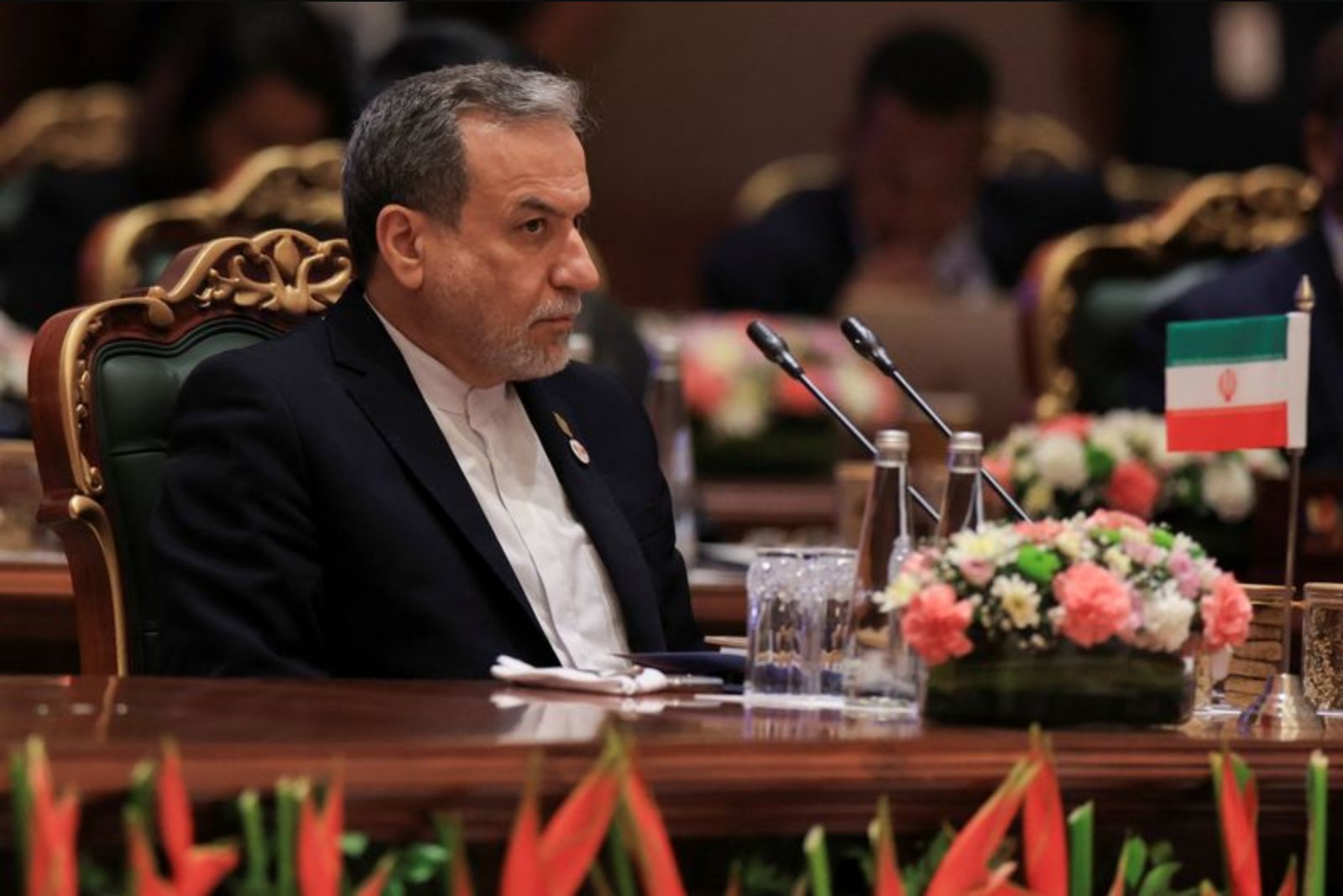
Foreign ministers from most member states are present at the New Delhi meeting, among them Iran's Foreign Minister Abbas Araqchi and the UAE's Deputy Foreign Minister Khalifa Shaheen Al Marar. Delegates are navigating a difficult diplomatic landscape: the war, which began on February 28, has intensified divisions within the group and made it harder to forge consensus on a joint statement, particularly given the opposing positions of Iran and the UAE.

Jaishankar also urged BRICS to confront what he described as an "increasing resort to unilateral coercive measures and sanctions inconsistent with international law and the U.N. Charter." He said such measures "disproportionately affect developing countries" and warned that they cannot replace dialogue or diplomacy. Jaishankar added that emerging economies expect BRICS to act in a constructive and stabilising fashion.


The meeting in New Delhi brings into sharp relief the challenge of maintaining cohesion within an expanding and diverse bloc as it confronts an active regional conflict with wide-reaching economic consequences.

Risks

  • Continued effective closure or restricted access to the Strait of Hormuz could further disrupt energy supplies and sustain higher oil and gas prices, increasing inflationary pressure (Energy and Inflation risks).
  • Rising use of unilateral coercive measures and sanctions, as highlighted by Jaishankar, may disproportionately harm developing economies and limit BRICS' ability to pursue unified diplomatic or economic responses (Emerging Markets and International Trade risks).
  • Divergent positions among BRICS members, particularly between Iran and the UAE over the conflict beginning on February 28, may prevent the group from issuing cohesive statements or coordinated actions, reducing its stabilising role (Diplomatic cohesion and policy effectiveness risk).

More from World

Families of Drug War Victims Demand Accountability as Senator Flees Arrest Bid May 14, 2026 Lebanon to Push for Enforceable Ceasefire in Washington Talks as Violence Persists May 14, 2026 Mass March Through Jerusalem’s Old City Highlights Deep Divisions on Jerusalem Day May 14, 2026 What 'Taiwan independence' Means and Why Taipei Is Seen as De Facto Independent May 14, 2026 Human Rights Watch Documents Killings, Rapes and Abductions During M23 Occupation of Uvira May 14, 2026